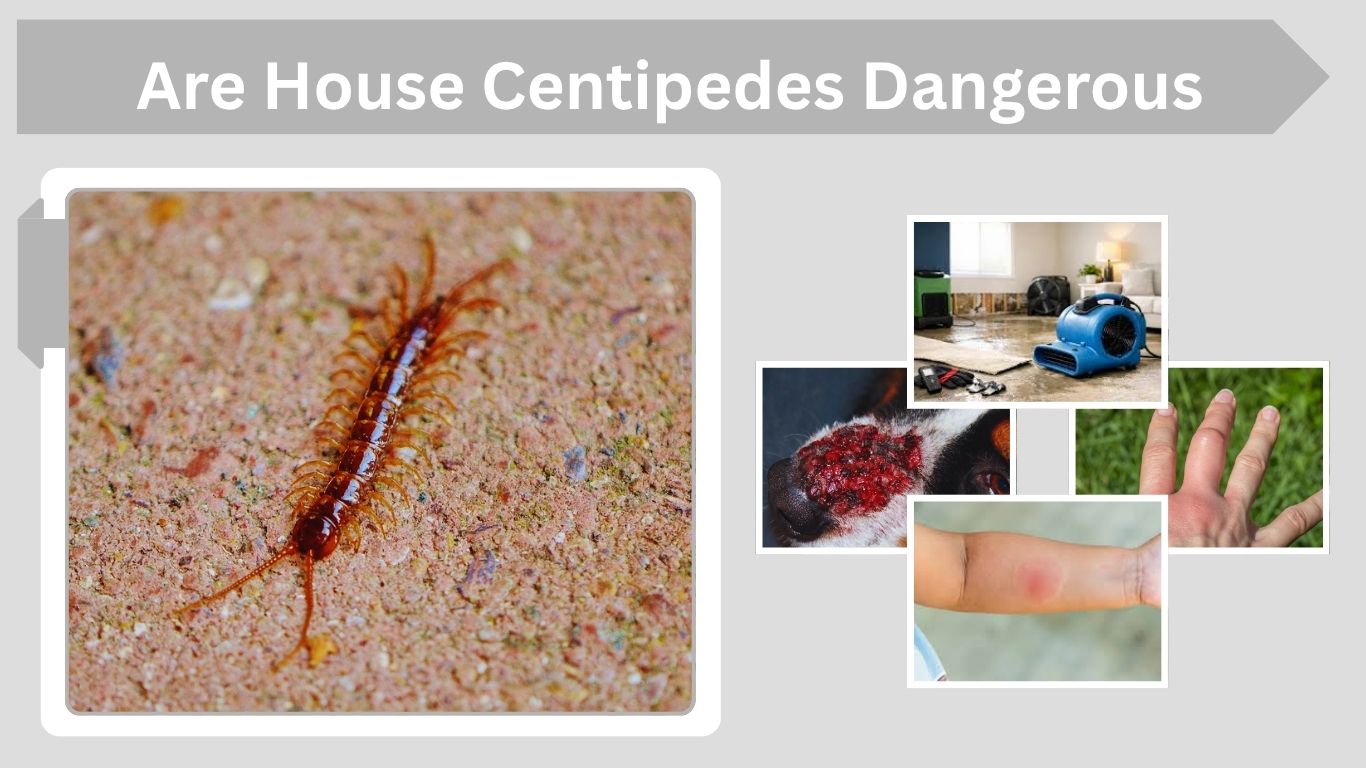
House centipedes are fast-moving insects commonly found in bathrooms, basements, garages, and damp indoor spaces. Their long legs and sudden movements often frighten homeowners, leading many people to wonder whether they are dangerous to humans, pets, or children. Although they may look scary, house centipedes are usually less harmful than many other household pests.
This guide explains whether house centipedes bite, how dangerous they are to cats and dogs, and why they often appear inside homes. You will also learn about their behavior, benefits, and common myths.
What Are House Centipedes?
House centipedes are predatory arthropods that hunt small insects inside homes. They are known for their many long legs, striped bodies, and fast movement. Unlike destructive pests, house centipedes mainly feed on insects and prefer hiding in dark, moist environments during the day.
What Do House Centipedes Look Like?
House centipedes have several unique features.
Common characteristics include:
- Long thin legs
- Yellow-gray body color
- Dark stripes on the back
- Long antennae
- Fast running speed
Adult house centipedes can grow up to 1.5 inches long.
Why Are House Centipedes Found Indoors?
They usually enter homes searching for moisture, shelter, and food.
Common indoor hiding places include:
- Bathrooms
- Basements
- Laundry rooms
- Garages
- Crawl spaces
Homes with insect activity often attract house centipedes because they hunt other pests.
Are House Centipedes Common?
House centipedes are common in many parts of the world, especially in humid climates. They are mostly active at night and usually avoid direct contact with humans whenever possible.
Are House Centipedes Dangerous to Humans?
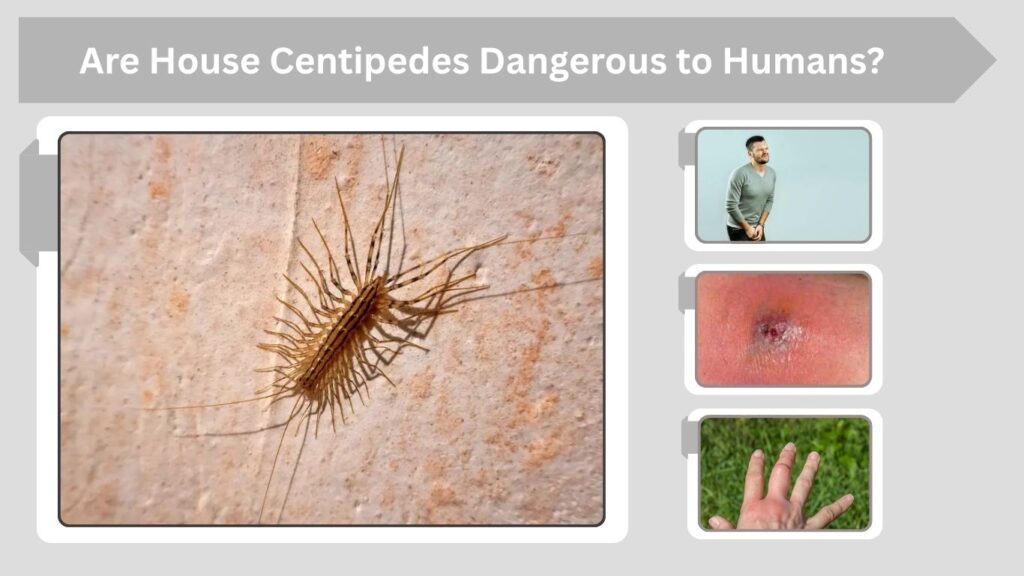
Many people fear house centipedes because of their appearance, but they are generally not dangerous to humans. These creatures are shy hunters that prefer escaping instead of attacking. Bites are uncommon and usually happen only if the centipede feels trapped or threatened.
Do House Centipedes Bite?
Yes, house centipedes can bite, but bites are rare.
They may bite when:
- Accidentally handled
- Trapped against skin
- Threatened
- Stepped on
Most people never experience a bite even if centipedes are present indoors.
Are House Centipede Bites Dangerous?
House centipede bites are usually mild for healthy adults.
Common symptoms include:
| Symptom | Severity |
| Mild pain | Low |
| Redness | Mild |
| Swelling | Minor |
| Itching | Temporary |
Serious allergic reactions are extremely uncommon.
What Happens if a House Centipede Bites You?
A bite may feel similar to a small bee sting. The area can become slightly red or swollen for a short time, but symptoms usually disappear within a few hours or days. Cleaning the bite area and applying ice often helps reduce discomfort.
Are House Centipedes Dangerous to Pets?
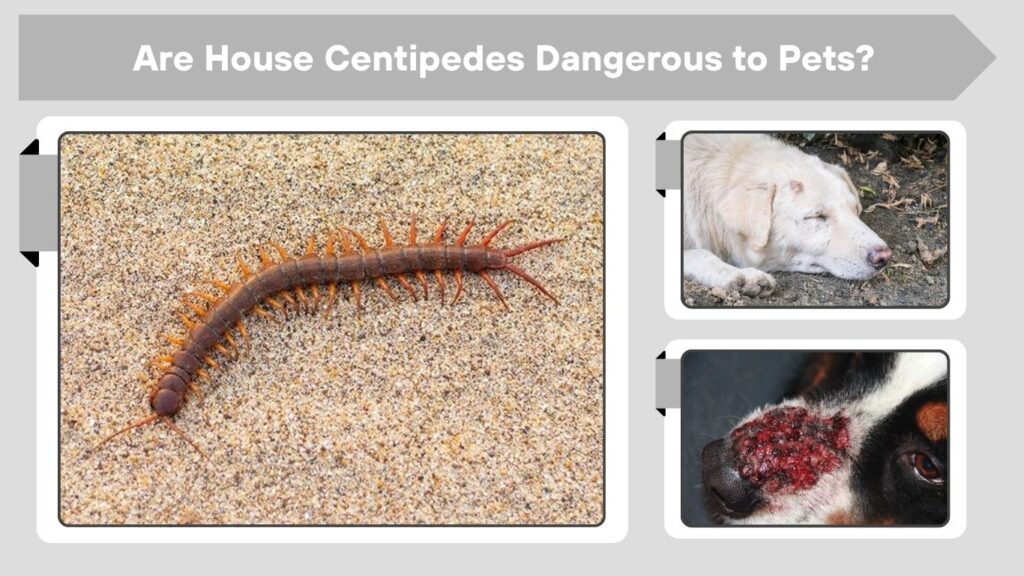
House centipedes are generally not dangerous to cats or dogs. Most pets are more curious about centipedes than threatened by them. In many cases, cats may even chase or play with house centipedes when they find them indoors.
Are House Centipedes Dangerous to Cats?
Cats are usually safe around house centipedes.
Possible minor issues include:
- Mouth irritation
- Small bite reactions
- Temporary discomfort
- Mild stomach upset if eaten
Serious problems are very rare.
Are House Centipedes Dangerous to Dogs?
Dogs are also unlikely to suffer serious harm from house centipedes. Some dogs may sniff, lick, or eat them out of curiosity. Minor irritation or drooling may happen, but dangerous reactions are uncommon.
What Happens if Pets Eat a House Centipede?
Most pets experience little or no symptoms after eating one. Occasionally, mild digestive upset may occur. Pet owners should monitor animals for unusual swelling or allergic reactions, although severe complications are uncommon.
Are House Centipedes Dangerous to Babies or Kids?
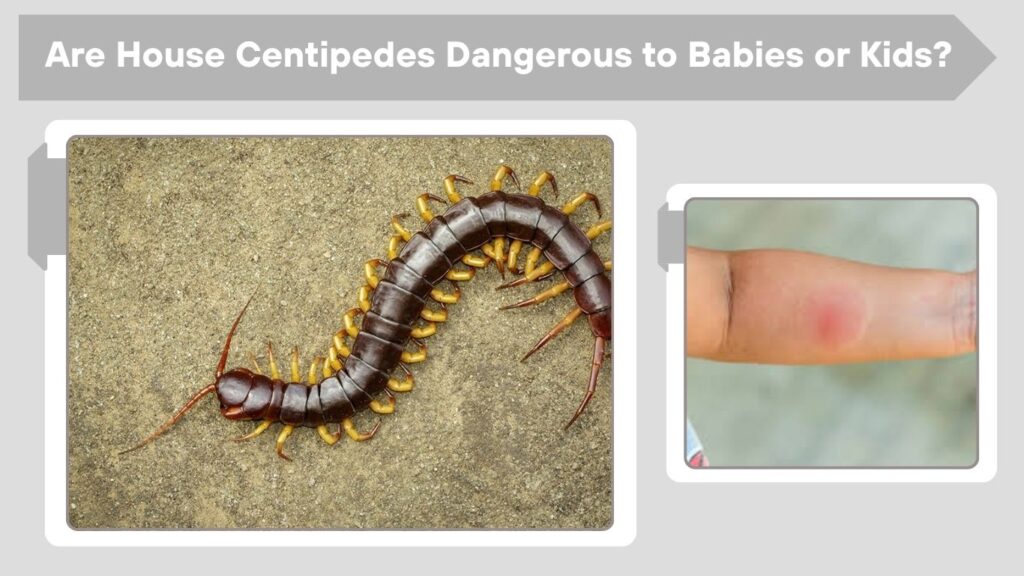
Parents often worry when they see house centipedes near babies or young children. While these creatures look frightening, they are generally considered low-risk household pests. House centipedes avoid people and rarely bite unless handled roughly.
Are House Centipedes Dangerous to Babies?
House centipedes are not considered highly dangerous to babies, but preventing contact is still important. Keeping floors clean and reducing moisture helps lower the chance of indoor centipede activity.
Are House Centipedes Dangerous to Kids?
Children are more likely to become frightened by house centipedes than harmed by them. Bites are rare and usually mild, though sensitive children could experience stronger irritation or swelling.
Should Parents Worry About House Centipedes?
In most cases, house centipedes are more of a nuisance than a serious danger. However, seeing many centipedes indoors may suggest moisture problems or hidden insect infestations that should be addressed.
How Dangerous Are House Centipedes Compared to Other Pests?
House centipedes may look alarming, but they are often less harmful than many common household pests. Unlike cockroaches or rodents, they do not spread disease through food contamination. They also help reduce indoor insect populations by hunting pests inside the home.
House Centipede vs Spider
House centipedes and spiders are both insect hunters, but centipedes are usually less aggressive toward humans. Most house centipede bites are mild and uncommon, while some spider species can cause more serious reactions.
House Centipede vs Cockroach
Cockroaches are considered more dangerous because they may spread bacteria and trigger allergies. House centipedes do not damage food or furniture and mainly hunt unwanted insects.
Are House Centipedes Helpful?
House centipedes actually provide natural pest control indoors.
They commonly eat:
- Cockroaches
- Silverfish
- Ants
- Spiders
- Termites
- Small flies
Because they hunt other pests, some homeowners consider them beneficial insects.
Why House Centipedes Enter Homes
House centipedes usually enter homes because indoor conditions provide food, moisture, and shelter. Damp environments are especially attractive because many of the insects they hunt also prefer humid spaces.
Moisture Problems
Common moisture sources include:
- Leaky pipes
- Damp basements
- Poor ventilation
- Wet bathrooms
- Water-damaged areas
Reducing indoor humidity often lowers centipede activity.
Food Sources
Homes with insect infestations naturally attract house centipedes. Large numbers of ants, cockroaches, spiders, or silverfish provide an easy food supply for these hunters.
Seasonal Changes
House centipedes may become more noticeable during rainy or cold weather as they search for warm and protected indoor spaces.
How to Get Rid of House Centipedes
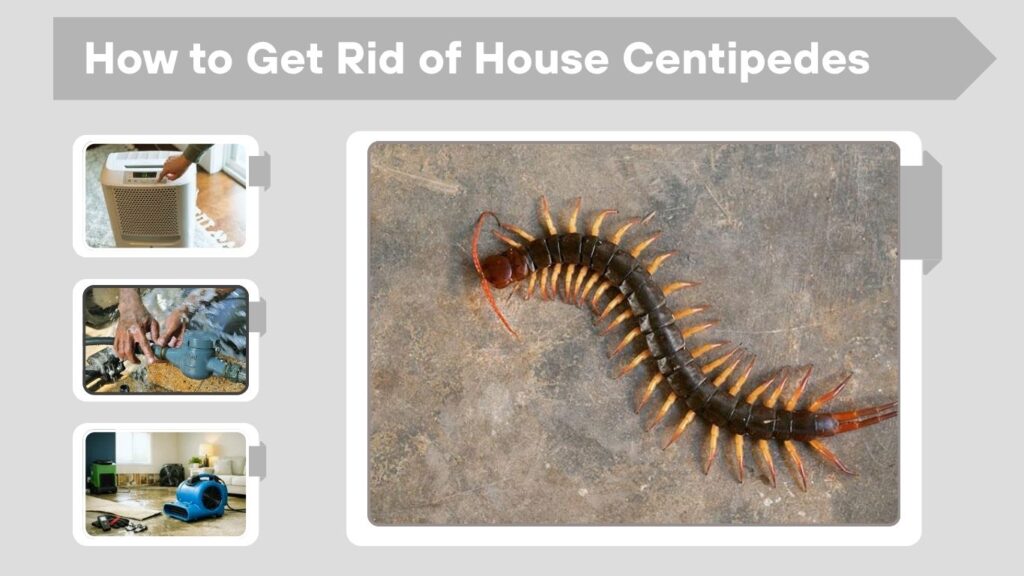
Many people prefer removing house centipedes even though they are not highly dangerous. The best control methods focus on reducing moisture and eliminating the insects they feed on.
Reduce Moisture Indoors
Simple moisture-control methods include:
- Using dehumidifiers
- Fixing plumbing leaks
- Improving airflow
- Drying wet areas quickly
- Cleaning damp storage spaces
Dry homes are less attractive to centipedes.
Seal Entry Points
Small openings around windows, doors, and foundations may allow centipedes inside. Sealing cracks and gaps helps reduce indoor activity significantly.
Remove Their Food Sources
Controlling other pests is one of the most effective long-term solutions. Fewer insects inside the home means less food for house centipedes.
Common Myths About House Centipedes
Many myths make house centipedes seem more dangerous than they really are. Their unusual appearance causes fear, but most stories about aggressive behavior or deadly bites are exaggerated.
Myth: House Centipedes Attack Humans
House centipedes do not actively attack people. They usually run away quickly when disturbed and prefer hiding in dark areas.
Myth: Their Bites Are Deadly
Their bites are generally mild and rarely dangerous to healthy adults. Severe reactions are extremely uncommon.
Myth: One Centipede Means an Infestation
Seeing one house centipede does not always mean a serious infestation. However, frequent sightings may indicate excess moisture or hidden insect problems inside the home.
FAQs
Are house centipedes dangerous to humans?
House centipedes are generally not dangerous to humans. They rarely bite, and most bites cause only mild redness or temporary swelling.
Are house centipedes dangerous to cats or dogs?
House centipedes are usually harmless to pets. Cats and dogs may experience minor irritation or mild stomach upset if they bite or eat one.
What happens if a house centipede bites you?
A bite may cause slight pain, redness, swelling, or itching similar to a mild insect sting. Symptoms normally disappear within a short time.
Should I kill house centipedes in my house?
Many homeowners remove them because of their appearance, but house centipedes actually help control indoor pests like cockroaches, ants, and silverfish.
Why do house centipedes keep appearing in my home?
House centipedes are attracted to damp areas and insect activity. Moisture problems, clutter, and hidden pests often increase indoor sightings.