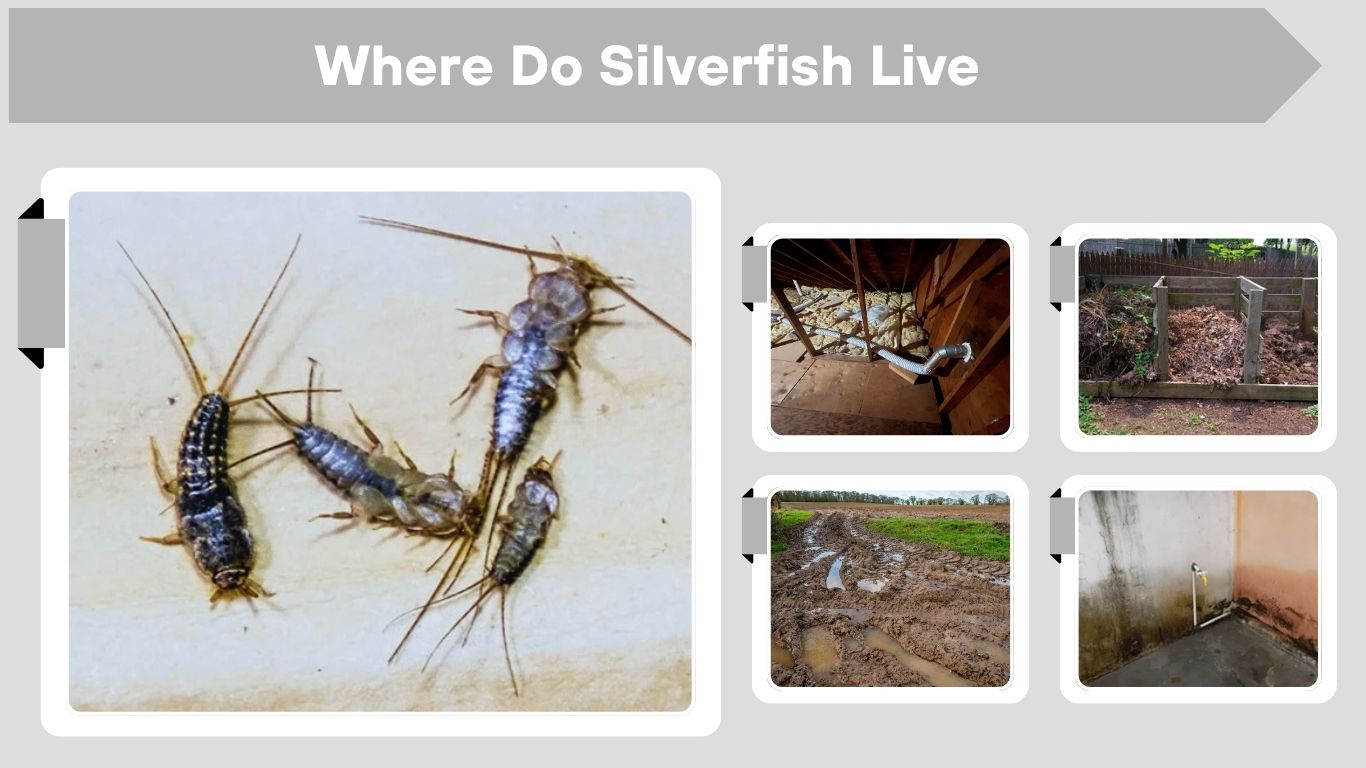
Silverfish are small wingless insects commonly found in dark, humid places around homes and outdoor environments. These pests prefer areas with moisture, warmth, and limited airflow, which is why they are often discovered in bathrooms, basements, kitchens, and storage rooms. Although silverfish are harmless to humans, they can damage books, wallpaper, cardboard, and clothing over time. Many homeowners are surprised by how well silverfish hide during the day. Understanding where silverfish live can help you find infestations early and prevent them from spreading throughout your home.
Silverfish survive best in damp environments with easy access to food sources such as paper products, glue, and organic debris. Moisture control is one of the most important steps in keeping them away.
What Are Silverfish?
Silverfish are ancient insects recognized by their silver-gray color and fish-like movements. They move quickly and avoid bright light, making them difficult to spot during daytime hours. Silverfish are nocturnal pests that usually remain hidden in cracks, storage spaces, and damp corners. Their ability to survive in small hidden spaces allows infestations to continue unnoticed for long periods.
How to Identify Silverfish
Silverfish have several unique features that make them easy to recognize once seen indoors.
Common Identification Features
- Silver or gray metallic body
- Long antennae
- Fish-like movement
- Wingless appearance
- Tapered body shape
Adult silverfish are usually around half an inch to one inch long and move rapidly across floors and walls when disturbed.
Why Silverfish Need Moisture
Silverfish depend heavily on humid environments because their bodies lose moisture easily. Dry conditions can reduce their survival and breeding rates significantly.
Reasons Silverfish Prefer Humid Areas
- Prevent dehydration
- Improve egg survival
- Increase food availability
- Support long-term shelter
Bathrooms, basements, and laundry rooms often provide the moisture silverfish need to survive comfortably.
Are Silverfish Harmful?
Silverfish are not dangerous to humans because they do not bite or spread disease. However, they can become destructive pests inside homes by feeding on household materials.
Silverfish commonly damage books, wallpaper, paper products, clothing, and stored cardboard boxes. Large infestations may also leave behind shed skins and droppings that create unpleasant conditions indoors.
Where Do Silverfish Live in the House?
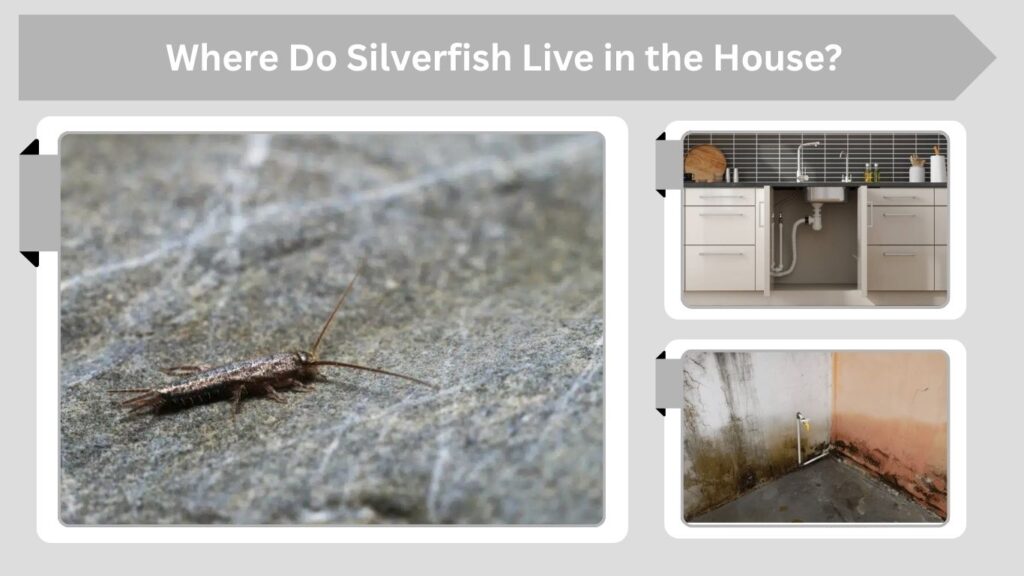
Silverfish prefer hidden indoor spaces with high humidity, darkness, and food sources. They usually stay close to areas where moisture builds up regularly. Many infestations begin in unnoticed storage spaces and slowly spread into other rooms of the home over time.
Bathrooms and Laundry Rooms
Bathrooms and laundry rooms are among the most common places where silverfish live. Constant humidity and poor airflow create perfect conditions for these insects.
Common Bathroom Hiding Places
- Under sinks
- Behind toilets
- Near drains
- Damp corners
- Around leaking pipes
Silverfish are especially active at night when bathrooms become dark and quiet.
Basements and Attics
Basements and attics provide dark storage spaces where silverfish can hide for long periods without disturbance. Damp basements are especially attractive because moisture levels remain high throughout the year.
Cardboard boxes, paper storage, and old books provide both food and shelter for silverfish populations. Poor ventilation also increases humidity, helping infestations grow more quickly.
Kitchens and Pantries
Silverfish may also live in kitchens where crumbs, cardboard, and moisture are available.
Common Kitchen Hiding Spots
- Behind refrigerators
- Under sinks
- Inside cabinets
- Near pantry shelves
- Around dishwashers
Even small food particles can attract silverfish into kitchen storage areas.
Bedrooms and Closets
Closets and bedrooms often contain fabrics, paper, and dark storage spaces that silverfish enjoy. These pests may damage stored clothing, books, wallpaper, and boxes kept in closets for long periods.
Silverfish usually hide beneath piles of clothing, behind furniture, or inside old storage containers where they remain undisturbed during the day.
Where Do Silverfish Live Outdoors?
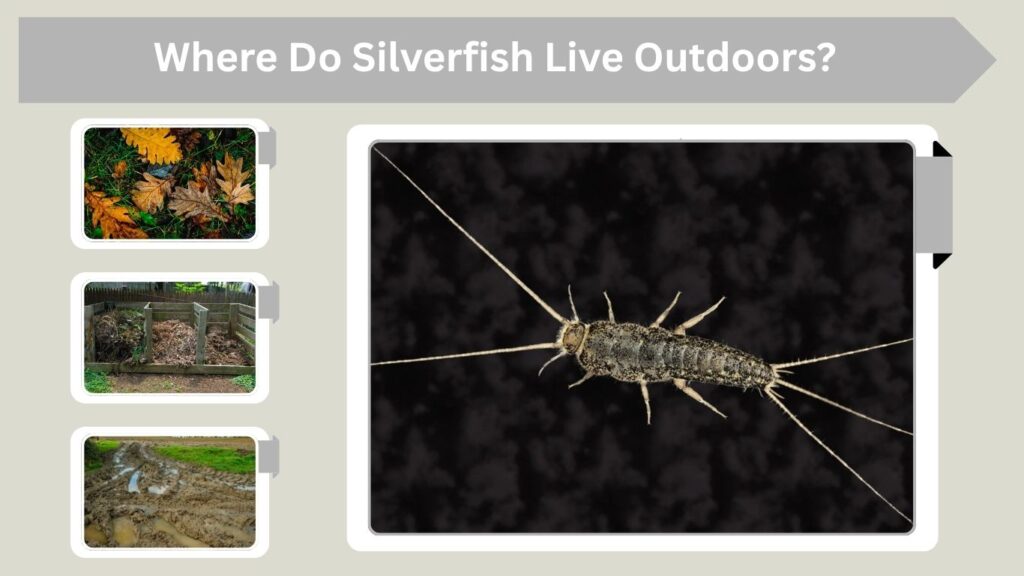
Although silverfish are commonly found indoors, they also survive naturally in outdoor environments. Outside habitats usually provide moisture, darkness, and organic material that support their survival. Outdoor silverfish populations sometimes move indoors during rainy weather or temperature changes.
Under Rocks and Logs
Silverfish often hide beneath rocks, fallen logs, and wood piles because these areas stay cool and moist during the day.
These sheltered spaces protect silverfish from direct sunlight and drying conditions while providing access to decaying organic matter nearby.
Leaf Litter and Mulch
Gardens and wooded areas with damp organic debris create excellent outdoor habitats for silverfish.
Outdoor Areas Silverfish Prefer
- Wet leaves
- Compost piles
- Garden mulch
- Decaying wood
- Damp soil
These environments provide both shelter and food sources that help silverfish survive outdoors.
Around Building Foundations
Silverfish commonly gather near foundations where moisture collects around walls and cracks. Gaps around doors, pipes, and windows allow them to move from outdoor hiding places into homes.
Poor drainage and heavy vegetation near foundations may increase silverfish activity around buildings.
Where Do Silverfish Live in the Wild?
Silverfish naturally survive in humid outdoor environments with plenty of shelter and organic material. Long before they became household pests, these insects lived in forests, caves, and damp natural habitats. Their ability to hide in tiny spaces and survive on limited food sources allows them to adapt to many environments around the world.
Forest and Woodland Areas
Forests provide ideal living conditions for silverfish because of constant moisture and decaying plant material. Fallen leaves, rotting logs, and damp soil offer both shelter and food.
Silverfish hide beneath bark, rocks, and leaf litter during the day to avoid sunlight and dry conditions. These shaded environments help maintain the humidity levels they need for survival.
Caves and Dark Environments
Caves naturally support silverfish populations because they remain cool, dark, and humid throughout the year. Limited airflow and stable temperatures create perfect living conditions.
Silverfish living in caves often feed on organic debris, fungi, and small particles of decaying material found in dark underground spaces.
Tropical and Humid Regions
Silverfish thrive best in warm climates with high humidity levels. Tropical and coastal regions often experience larger silverfish populations because moisture levels remain consistently high.
Regions Where Silverfish Commonly Thrive
- Rainforest environments
- Coastal areas
- Humid southern climates
- Warm tropical regions
Homes located in humid climates often experience more silverfish infestations than homes in dry areas.
Where Do Silverfish Live in the United States?
Silverfish are found throughout the United States, but they are especially common in humid regions where moisture levels remain high. Older homes, apartments, and buildings with poor ventilation often provide ideal indoor habitats for these pests.
States With High Humidity
Warm southern states commonly experience larger silverfish populations because humidity supports reproduction and survival.
U.S. States With Common Silverfish Problems
- Florida
- Louisiana
- Texas
- Georgia
- Alabama
Homes in these states may require extra moisture control to prevent infestations indoors.
Urban and Residential Areas
Silverfish adapt well to city environments because apartment buildings and older homes often contain hidden damp spaces.
Poor ventilation, leaking pipes, and crowded storage areas make urban homes especially attractive to silverfish. Shared walls in apartment buildings may also allow infestations to spread between units.
Can Silverfish Survive in Cold States?
Silverfish can survive in colder regions by living indoors where heating systems provide warmth during winter.
Basements, laundry rooms, and heated storage areas help silverfish remain active even when outdoor temperatures drop significantly. Indoor humidity still plays a major role in their survival during colder months.
What Attracts Silverfish to Homes?
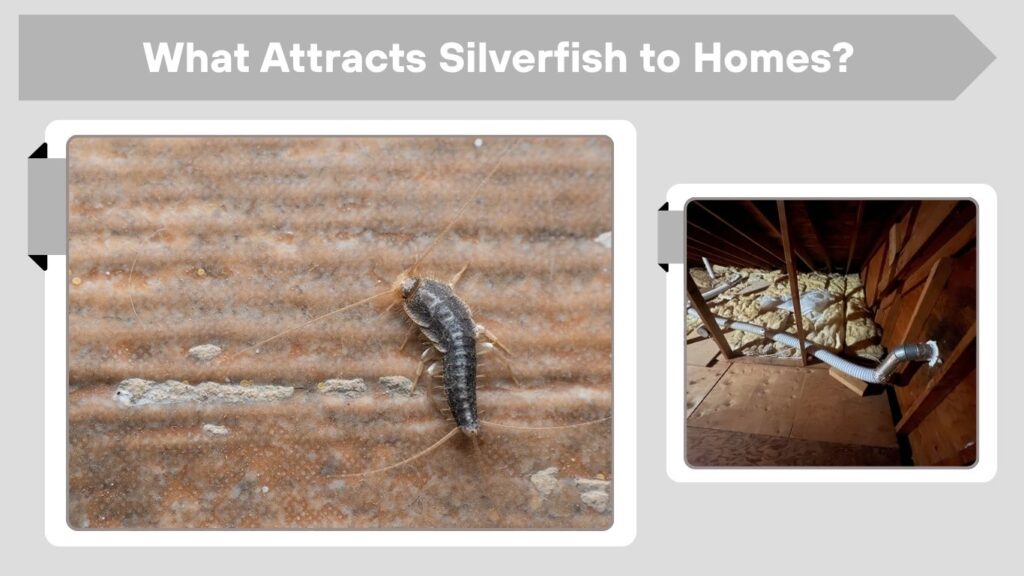
Silverfish enter homes searching for food, moisture, and safe hiding places. Once they find favorable conditions, infestations can grow quickly if left untreated. Understanding what attracts silverfish is important for long-term prevention and control.
Moisture and Humidity
High humidity is one of the strongest factors attracting silverfish indoors. Moist environments help them avoid dehydration and reproduce successfully.
Common Moisture Problems That Attract Silverfish
- Leaking pipes
- Damp basements
- Poor bathroom ventilation
- Condensation around windows
- Wet storage areas
Reducing indoor moisture levels is one of the best ways to discourage silverfish activity.
Food Sources
Silverfish feed on materials rich in starches, sugars, and cellulose. Many common household items provide ideal food sources.
They commonly eat paper products, wallpaper glue, cardboard, fabrics, and food crumbs. Storage rooms filled with books and paper materials are especially vulnerable to infestations.
Clutter and Storage Problems
Silverfish prefer undisturbed spaces where they can hide safely during the day. Cluttered rooms often create perfect shelter conditions.
Common Clutter Areas Silverfish Like
- Old cardboard boxes
- Newspaper piles
- Packed closets
- Attic storage spaces
Reducing clutter makes it harder for silverfish to hide and reproduce inside the home.
Where Do Silverfish Breed?
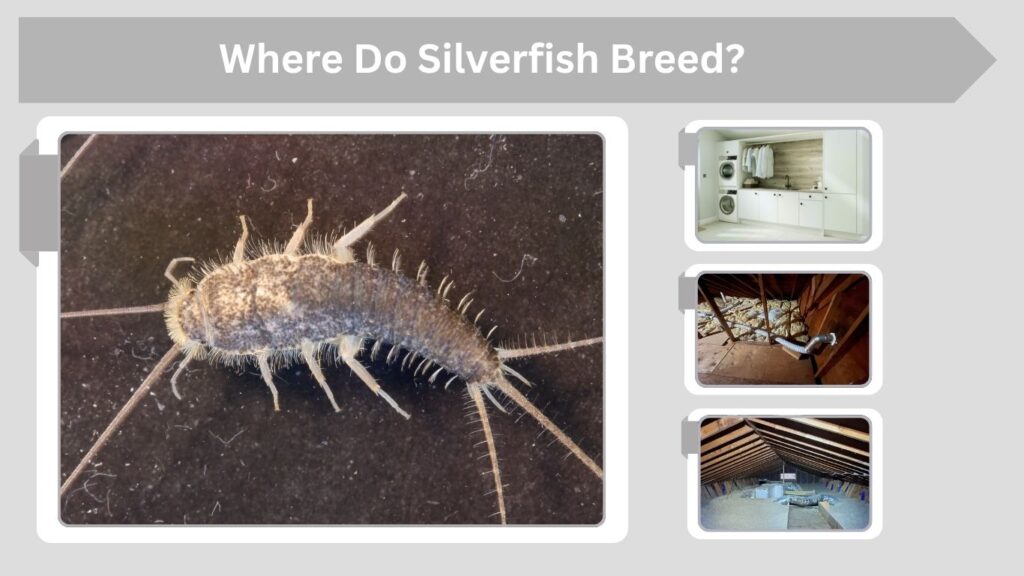
Silverfish reproduce in dark hidden spaces where humidity levels remain stable. Female silverfish lay eggs in cracks, crevices, and protected areas that are difficult to notice.
Hidden Cracks and Crevices
Small gaps around walls, floors, and baseboards provide ideal breeding areas for silverfish.
These protected spaces help shield eggs from dry air and disturbance while giving young silverfish easy access to food and moisture nearby.
Damp Storage Areas
Storage spaces with limited airflow often support silverfish reproduction for long periods.
Common Silverfish Breeding Areas
- Basements
- Closets
- Laundry rooms
- Attics
- Storage boxes
Untouched storage areas may contain large hidden infestations before homeowners notice visible insects.
Silverfish Eggs and Development
Silverfish eggs are tiny, white, and difficult to see without close inspection. Young silverfish resemble smaller versions of adults and continue growing through repeated molts.
Because silverfish develop slowly, infestations may continue for months before becoming obvious indoors.
FAQs
Where do silverfish usually live?
Silverfish commonly live in damp, dark areas such as bathrooms, basements, attics, kitchens, and storage spaces where moisture and food sources are available.
Why do silverfish live in bathrooms?
Bathrooms provide humidity, warmth, and dark hiding places that help silverfish survive and reproduce more easily.
Do silverfish live outside?
Yes, silverfish naturally live outdoors under rocks, logs, mulch, leaf litter, and damp organic material.
Where do silverfish hide during the day?
Silverfish hide in cracks, storage boxes, behind furniture, under sinks, and inside dark humid spaces during daylight hours.
What attracts silverfish into homes?
Moisture, clutter, paper products, cardboard, food crumbs, and poor ventilation are some of the main factors attracting silverfish indoors.