
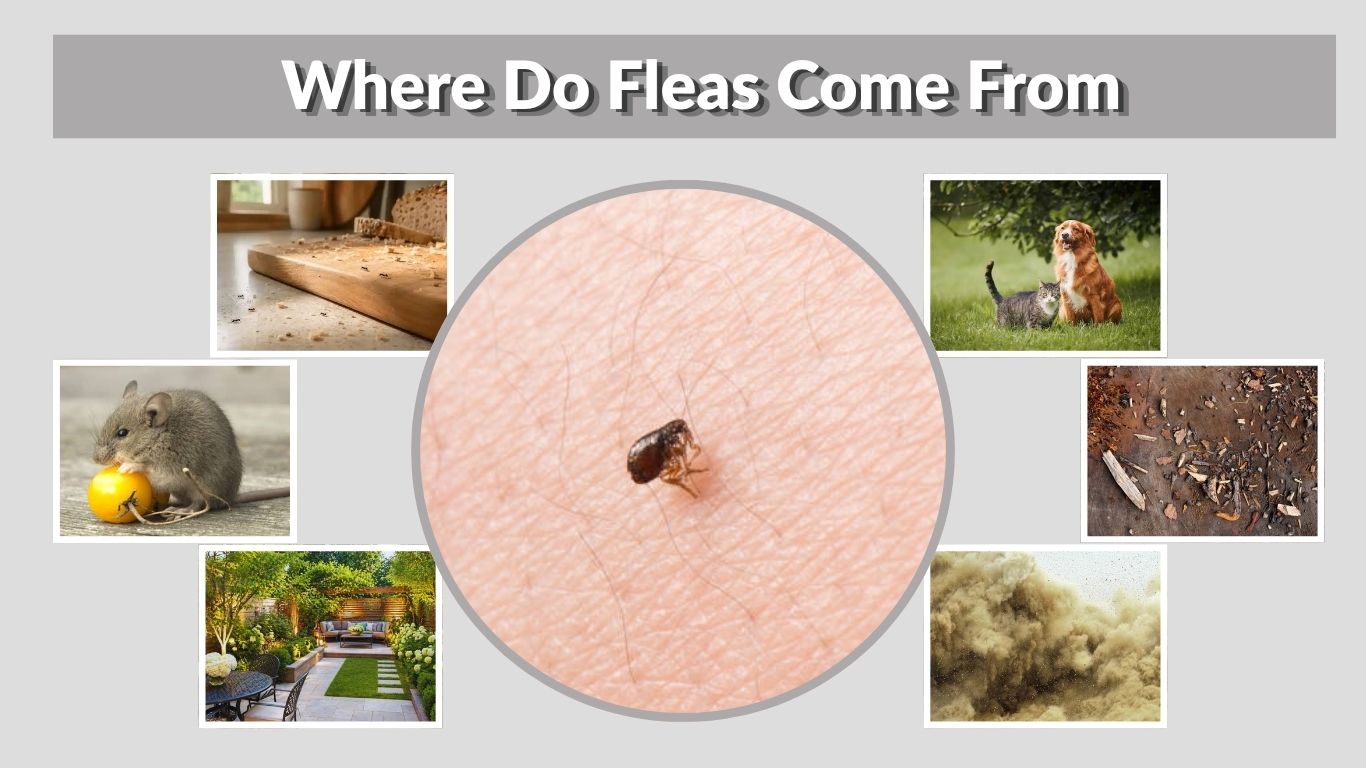
Fleas are tiny, blood-feeding insects that can appear suddenly in homes, on pets, and in outdoor spaces. Finding these jumping pests often raises one important question: Where do fleas come from? Most household fleas originate from infested animals, including cats, dogs, rodents, and wildlife. However, fleas can also enter homes through clothing, furniture, or previous infestations. Even houses without pets can experience flea problems. Understanding their origins, hiding places, and life cycle can help you identify an infestation and prevent these troublesome insects from spreading.
Where Do Fleas Come From?
Fleas primarily come from infested animals and environments where those animals live or rest. Adult fleas feed on blood, while their eggs, larvae, and pupae develop in surrounding areas. This allows fleas to spread between animals, homes, and outdoor locations. Several common sources are responsible for most household flea infestations.
1. Infested Cats and Dogs
Cats and dogs are among the most common sources of household fleas. When pets spend time outdoors or interact with infested animals, fleas may jump onto their fur.
Once established, adult fleas feed on blood and reproduce. Female fleas can lay approximately 20–50 eggs per day under favorable conditions.
These eggs fall from the animal into carpets, bedding, furniture, and floor cracks. Over time, the developing fleas can establish an indoor infestation.
Interestingly, cat fleas (Ctenocephalides felis) commonly infest both cats and dogs, despite their name.
2. Outdoor Yards and Gardens
Fleas frequently develop outdoors in shaded, humid environments. Areas beneath bushes, decks, porches, and outdoor pet shelters can provide suitable conditions.
Unlike adult fleas, which usually feed on animals, flea larvae develop in protected locations where organic debris and flea dirt are available.
Pets may encounter newly emerged fleas while resting or walking through infested areas.
Outdoor flea populations often increase during warm, humid weather. Direct sunlight and extremely dry conditions generally reduce the survival of developing fleas.
3. Rodents and Wild Animals
Rodents, squirrels, raccoons, opossums, and other mammals can introduce fleas around homes.
Wild animals may carry fleas into attics, crawl spaces, garages, or spaces beneath buildings.
When these animals abandon their nests or die, hungry adult fleas may search for another suitable host.
This explains why some households experience sudden flea activity even without owning pets.
Identifying and safely excluding wildlife is important for preventing recurring infestations.
4. Contact With Other Animals
Pets can acquire fleas through contact with infested animals or by visiting places those animals frequently occupy.
Dog parks, boarding facilities, shelters, and veterinary waiting areas may occasionally provide opportunities for flea exposure.
Direct animal contact is not always necessary. Fleas emerging from contaminated bedding or resting areas can jump onto nearby hosts.
Dogs and cats that regularly interact with unfamiliar animals may face greater exposure, especially without effective flea prevention.
5. Clothing, Shoes, and Visitors
Although fleas prefer animal hosts, they can occasionally hitchhike on people’s clothing, socks, or shoes.
Someone walking through an infested environment may unintentionally carry a flea indoors.
Visitors who own flea-infested pets may also introduce fleas into another household.
However, people are not the usual permanent hosts for cat and dog fleas. These insects generally prefer animals with fur, where they can feed and reproduce.
6. Used Furniture and Pet Bedding
Secondhand furniture, rugs, carpets, and pet bedding can sometimes introduce fleas into a home.
Flea eggs may fall into fabric fibers, while larvae and pupae can remain hidden in protected areas.
Upholstered furniture previously used by infested pets may contain developing flea stages.
Inspecting and thoroughly cleaning secondhand furnishings before bringing them indoors can reduce the risk of introducing an infestation.
7. Previous Household Infestations
Fleas can appear in a house even after its previous occupants and their pets have moved away.
The reason is the flea’s pupal stage. Developing fleas remain protected inside cocoons and may delay emerging until suitable hosts appear.
Movement, warmth, and vibrations can trigger adult fleas to emerge.
Consequently, a previously vacant house may suddenly show flea activity when new residents arrive.
Where Do Fleas Come From in a House Without Pets?
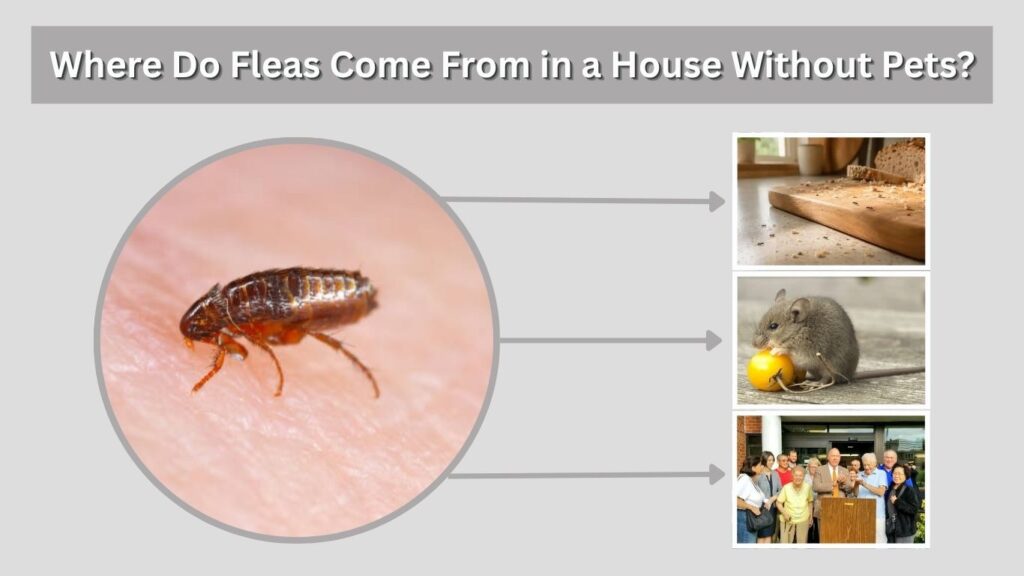
Finding fleas in a house without cats or dogs may seem confusing, but pets are not their only possible hosts. Fleas can arrive through wildlife, rodents, visitors, or an infestation left by previous occupants. Determining the original source is important because cleaning alone may not prevent new fleas from entering.
Fleas From Wildlife and Rodents
Rats, mice, squirrels, and other animals may nest inside buildings or around their foundations.
These animals can introduce fleas into nearby living spaces. If the animals leave, their fleas may move into rooms occupied by people.
Inspect attics, crawl spaces, and other potential nesting areas for signs of animal activity.
Fleas From Previous Occupants
A previous homeowner or tenant may have kept flea-infested pets.
Although those animals are no longer present, flea eggs, larvae, and pupae may remain in carpets and furniture.
Adult fleas emerging from surviving cocoons can explain unexpected infestations in recently occupied homes.
Where Do Fleas Come From on Cats and Dogs?
Cats and dogs usually acquire fleas from contact with infested animals or environments. However, pets do not need to spend much time outdoors to become infested. Fleas can enter homes through multiple routes and reproduce rapidly once a suitable host becomes available.
Where Do Fleas Come From on Indoor Cats?
Indoor cats can develop flea infestations even if they never leave the house.
Fleas may enter through visiting animals, infested clothing, rodents, or contaminated household furnishings.
Once inside, adult fleas can jump onto an indoor cat and begin feeding.
Therefore, keeping a cat indoors reduces certain exposure risks but does not eliminate the possibility of fleas.
Where Do Dog Fleas Come From?
Dogs frequently encounter fleas in shaded yards, parks, animal resting areas, and environments visited by other pets.
Fleas can jump onto dogs when they pass through infested locations.
Despite the name, many fleas found on dogs are actually cat fleas rather than dog fleas (Ctenocephalides canis).
Maintaining veterinarian-recommended flea prevention can help reduce infestations.
Where Do Fleas Originally Come From?
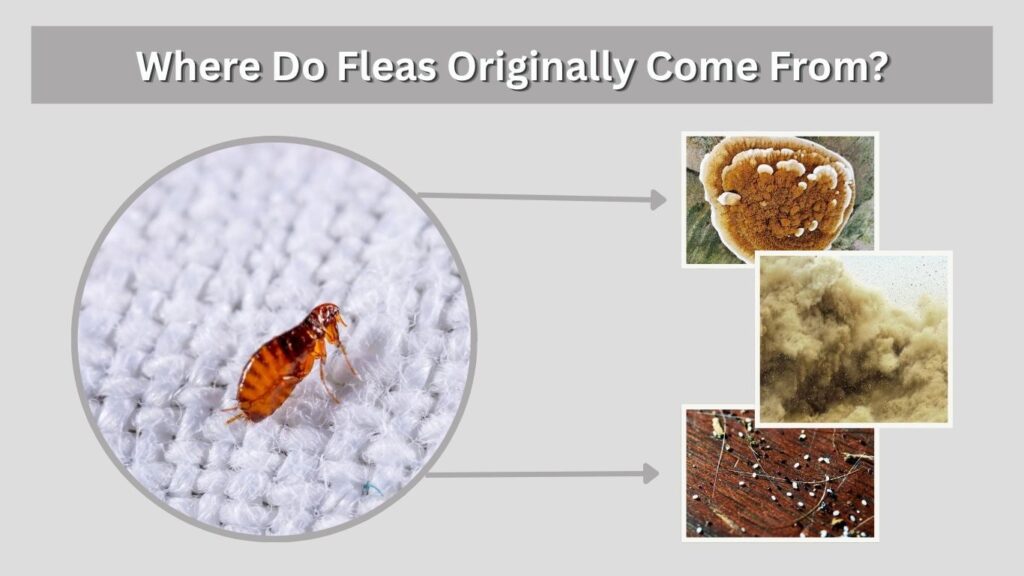
Fleas do not spontaneously develop from dirt, dust, or rotting material. They originate from eggs produced by adult female fleas after blood feeding.
Their life cycle consists of four stages: egg, larva, pupa, and adult.
| Flea Stage | Where It Commonly Develops |
| Egg | Laid on hosts, then falls into the environment |
| Larva | Carpets, bedding, soil, and protected cracks |
| Pupa | Inside protective cocoons in the environment |
| Adult | Usually on cats, dogs, or other animal hosts |
The complete flea life cycle can take only a few weeks under favorable conditions, although protected stages may extend the process for months.
This explains why fleas can continue appearing after an initial cleaning or treatment.
Where Do Snow Fleas and Sand Fleas Come From?
Not every creature commonly called a flea is a true blood-feeding flea. Snow fleas and many organisms called sand fleas have different biology, habitats, and feeding habits. Understanding these differences helps prevent confusion when identifying small jumping creatures.
Where Do Snow Fleas Come From?
Snow fleas are actually springtails, not true fleas.
They live in soil, leaf litter, and decaying organic material, where they feed on fungi and other microscopic food sources.
During late winter or early spring, some springtails appear on melting snow in large numbers.
Despite their name, snow fleas do not feed on blood or infest pets.
Where Do Sand Fleas Come From?
The term sand flea describes several different creatures.
Beach hoppers and sand hoppers are small crustaceans found in coastal sand and damp beach environments. They are not true fleas.
However, the chigoe flea (Tunga penetrans) is a genuine parasitic flea found in certain tropical regions. It can burrow into human skin and cause tungiasis.
Correct identification is essential because these organisms require different approaches.
How to Prevent Fleas From Entering Your Home
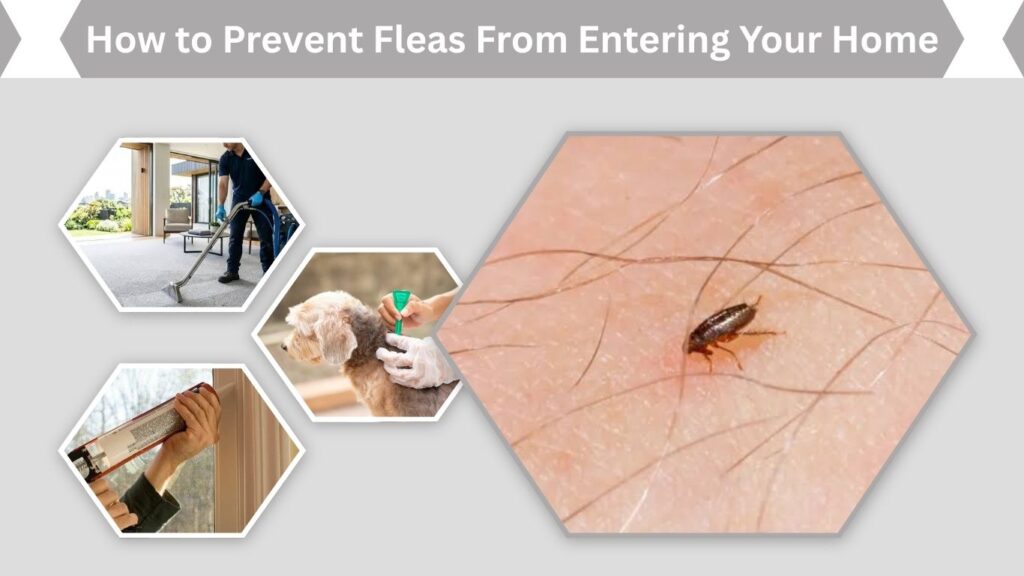
Preventing flea infestations begins with controlling the sources that introduce them. Regular pet care, household cleaning, and outdoor maintenance can substantially reduce exposure. Because immature fleas may remain hidden for weeks, consistent prevention is more effective than waiting until adult fleas become visible.
- Protect household pets: Use veterinarian-recommended flea preventives appropriate for each animal.
- Vacuum regularly: Clean carpets, rugs, upholstered furniture, and pet resting areas.
- Wash pet bedding: Regularly clean blankets, cushions, and washable pet accessories.
- Maintain outdoor spaces: Trim vegetation and reduce shaded, humid areas where fleas may develop.
- Discourage wildlife: Secure food waste and seal openings that allow rodents or other animals to enter.
- Inspect used furnishings: Check carpets, sofas, and bedding before bringing them indoors.
If flea activity continues despite these precautions, a licensed pest-control professional can help identify hidden infestation sources.
FAQs
1. Where Do Fleas Come From if You Don’t Have Pets?
Fleas may originate from rodents, wildlife, visiting animals, previous household infestations, or fleas accidentally carried indoors on clothing and shoes. Houses without pets can still contain flea eggs, larvae, and pupae.
2. Where Do Fleas Come From Outside?
Outdoor fleas commonly originate from infested animals, including pets, rodents, and wildlife. Their immature stages develop in shaded, humid locations where suitable food and protection are available.
3. Where Do Fleas Come From on Humans?
People may encounter fleas through infested pets, wildlife, carpets, bedding, or outdoor environments. Cat and dog fleas can bite humans but generally prefer animal hosts for feeding and reproduction.
4. Where Do Fleas Come From in Winter?
Fleas can survive winter inside heated homes, on animal hosts, and in protected environments. Their activity generally decreases in extremely cold outdoor conditions, but indoor infestations may continue throughout the year.
5. Can Fleas Come Into Your House Without Animals?
Yes. Fleas may occasionally enter on clothing, shoes, or secondhand furnishings. They can also emerge from cocoons left behind by previous infestations, even when no animals currently live in the home.
