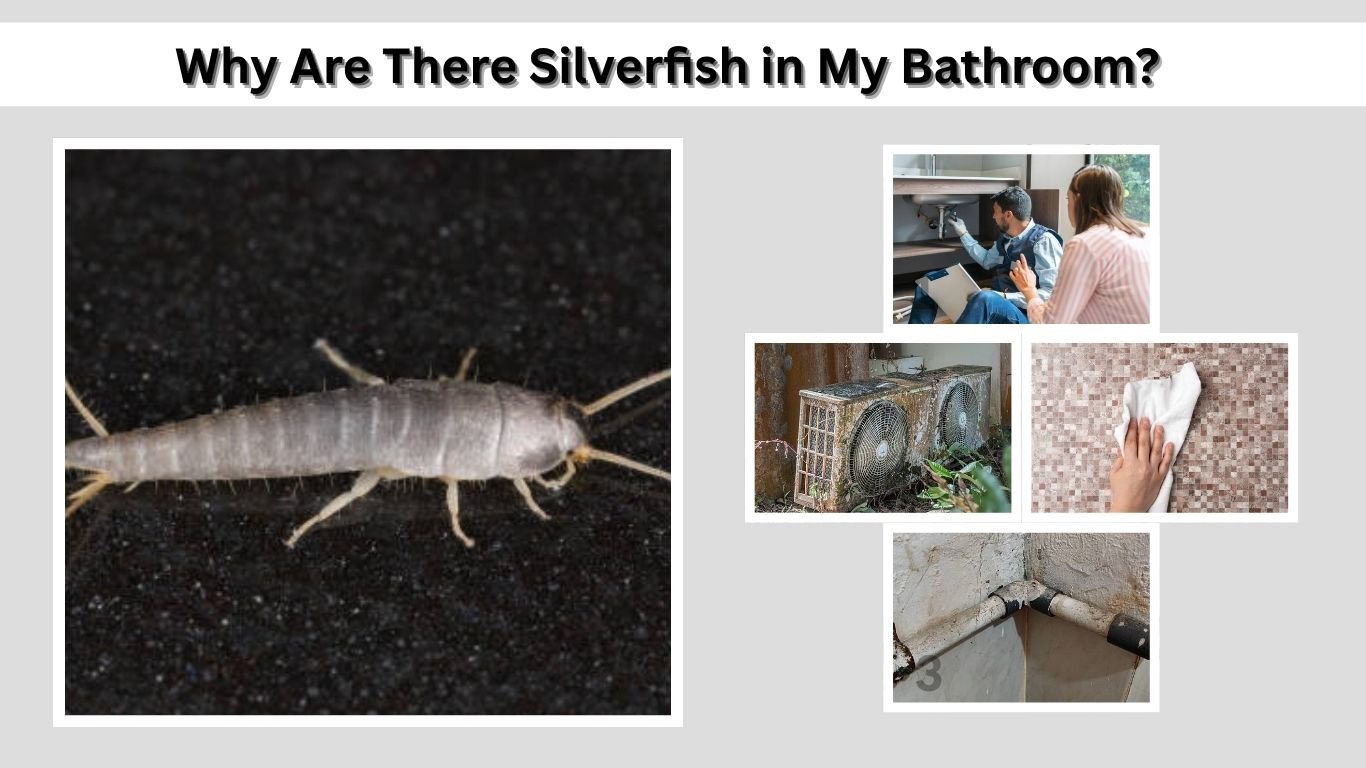
Silverfish showing up in your bathroom can feel unsettling, especially when they appear suddenly and seem to multiply overnight. The truth is, bathrooms naturally create the exact conditions these pests are looking for. If you’re seeing them regularly, it’s usually not random—it’s a sign that your bathroom environment is supporting their survival.
Understanding why they’re there is the first step to getting rid of them for good.
Main Reasons Silverfish Appear in Bathrooms

Bathrooms are one of the most common places for silverfish because they provide a perfect mix of moisture, warmth, and hidden food sources. These conditions allow them to live comfortably and reproduce without much disturbance.
Excess Moisture and Humidity
Moisture is the number one reason silverfish are drawn to your bathroom.
- Daily showers and baths fill the air with steam
- Water droplets stay on tiles, walls, and ceilings
- Leaky faucets or pipes create constant damp spots
Even if your bathroom looks dry, humidity can linger in the air and inside surfaces. Silverfish thrive in environments where moisture levels stay high, especially in enclosed spaces that don’t dry out quickly.
Poor Air Circulation
When air doesn’t move properly, moisture has nowhere to go. This makes the bathroom even more attractive to silverfish.
- Lack of an exhaust fan or poor ventilation system
- Windows that are rarely opened
- Humidity staying trapped after showers
Without proper airflow, your bathroom remains damp for long periods, giving silverfish a stable place to live. Over time, this turns your bathroom into a long-term habitat rather than just a temporary hiding spot.
Hidden Food Sources
Silverfish don’t need obvious food to survive. Bathrooms quietly provide plenty of what they eat.
- Soap residue and shampoo buildup on surfaces
- Hair, dead skin cells, and dust
- Toilet paper, tissues, and cardboard packaging
These small, often unnoticed materials are enough to support a silverfish population. Even a clean-looking bathroom can still provide food if these residues are not regularly removed.
Dark and Undisturbed Spaces
Silverfish prefer to stay hidden during the day, and bathrooms offer plenty of safe hiding spots.
- Under sinks and behind toilets
- Inside cabinets and storage areas
- Gaps between tiles or behind fixtures
These areas are rarely cleaned thoroughly or disturbed often, allowing silverfish to live and breed without interruption. The darker and more isolated the space, the more attractive it becomes.
Cracks, Gaps, and Entry Points
Silverfish don’t just appear—they enter through small openings that often go unnoticed.
- Gaps around plumbing pipes
- Cracks in walls, floors, or tiles
- Openings near drains or baseboards
Bathrooms typically have multiple access points due to plumbing and structural features. Once inside, the favorable conditions encourage them to stay rather than leave.
Why Bathrooms Make the Problem Worse
Bathrooms don’t just attract silverfish—they actively help the problem grow if conditions remain unchanged.
The combination of daily moisture, warmth, and limited airflow creates a consistent environment where silverfish can survive long-term. Unlike other areas of the house that dry out quickly, bathrooms are exposed to water almost every day. This repeated cycle keeps humidity levels high and prevents the space from becoming unsuitable for them.
In addition, many bathroom areas are hard to reach or easy to ignore. Spaces behind fixtures, under cabinets, or inside wall gaps often remain undisturbed for long periods. This gives silverfish the perfect opportunity to hide, lay eggs, and expand their population without being noticed early.
Another factor is routine behavior. Simple daily habits—like leaving wet floors, keeping damp towels hanging, or not using ventilation—can unintentionally maintain the exact conditions silverfish need. Over time, this turns a minor issue into a recurring one.
Because of these factors, bathrooms often become the starting point of a silverfish problem before they spread to other parts of the home.
Signs Your Bathroom Conditions Are Attracting Them

Before tackling the problem, it helps to recognize whether your bathroom environment is encouraging silverfish to stay.
- Persistent damp or musty smell even after cleaning
- Condensation on mirrors, walls, or ceilings long after showers
- Peeling paint, warped wood, or stained grout
- Frequent sightings in corners, under sinks, or near drains
These signs usually point to excess moisture or hidden problem areas that need attention.
How to Stop Silverfish from Coming Back

Getting rid of silverfish isn’t just about removing the insects—it’s about changing the conditions that attract them in the first place.
Control Moisture
Reducing moisture is the most effective way to make your bathroom less appealing.
- Turn on exhaust fans during and after showers
- Wipe down wet surfaces like tiles and sinks
- Fix leaking taps, pipes, or fixtures immediately
Even small changes can significantly lower humidity levels over time.
Improve Ventilation
Better airflow helps dry out the space faster and prevents moisture buildup.
- Keep windows open when possible
- Install or upgrade an exhaust fan if needed
- Leave the bathroom door open after use to allow air circulation
A well-ventilated bathroom becomes much less attractive to silverfish.
Eliminate Food Sources
Removing what they feed on helps reduce their ability to survive.
- Clean soap scum and residue regularly
- Vacuum or wipe away hair and dust
- Avoid storing paper products like tissues or cardboard in the bathroom
Consistency in cleaning is key, even in areas that seem less important.
Seal Entry Points
Blocking access prevents new silverfish from entering.
- Seal cracks in walls, tiles, and floors with caulk
- Close gaps around pipes and plumbing fixtures
- Repair damaged grout or loose tiles
Even tiny openings can act as entryways, so attention to detail matters.
When the Problem Signals Something Bigger

Sometimes, silverfish are more than just a minor nuisance—they can indicate deeper issues in your home.
- Hidden plumbing leaks inside walls or under floors
- Poor construction sealing around pipes and fixtures
- Long-term dampness due to structural or ventilation problems
If silverfish keep returning despite your efforts, it may be worth inspecting for underlying moisture issues. In such cases, professional help can identify and fix problems that aren’t immediately visible.
FAQs
Why are silverfish mostly found in bathrooms at night?
Silverfish are naturally nocturnal and avoid light. Bathrooms stay dark and humid overnight, especially after evening use. This creates the perfect environment for them to come out, search for food, and move around freely without disturbance.
Does having silverfish mean my bathroom is dirty?
Not always. A bathroom can look clean but still have high humidity and hidden food sources like soap residue or dust. Silverfish are more attracted to moisture than visible dirt, although poor cleaning habits can make the problem worse.
Can humidity alone cause silverfish to appear?
Yes, high humidity is one of the main triggers. Even without significant food sources, a damp environment can support their survival. Bathrooms with poor ventilation often create the perfect conditions for silverfish to settle and reproduce.
Will fixing ventilation get rid of silverfish completely?
Improving ventilation helps a lot, but it may not solve the issue instantly. You’ll also need to reduce moisture, clean regularly, and seal entry points. Combining these steps creates an environment where silverfish can’t survive long-term.
Why do silverfish keep coming back after cleaning?
Cleaning removes surface debris but doesn’t address deeper issues like moisture or hidden entry points. If humidity remains high or cracks are still open, silverfish can return and continue living in areas you can’t easily see.