
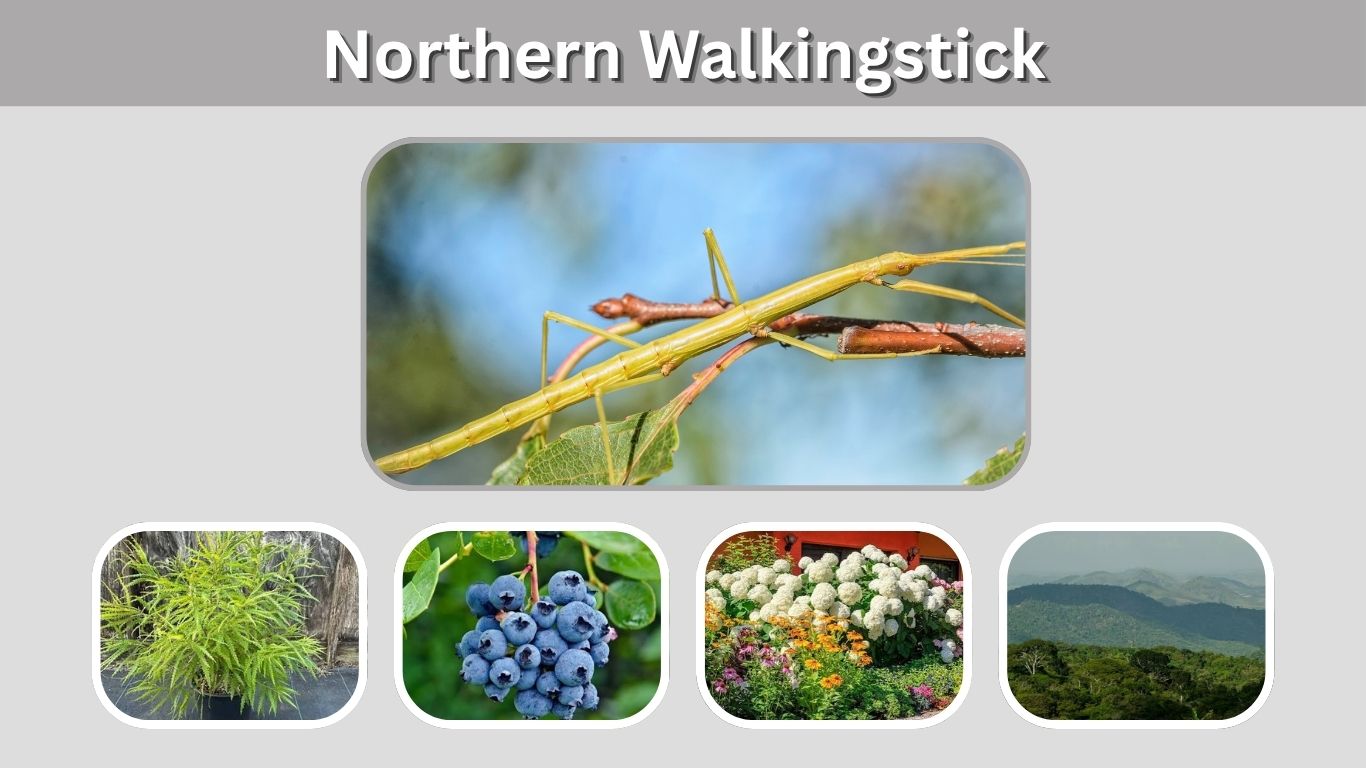
Northern Walkingstick: Facts, Habitat, Diet & Lifespan
The northern walkingstick (Diapheromera femorata), also called the common American walkingstick, is a slender, wingless insect famous for looking almost exactly like a twig. Native … Read More
The northern walkingstick (Diapheromera femorata), also called the common American walkingstick, is a slender, wingless insect famous for looking almost exactly like a twig. Native … Read More
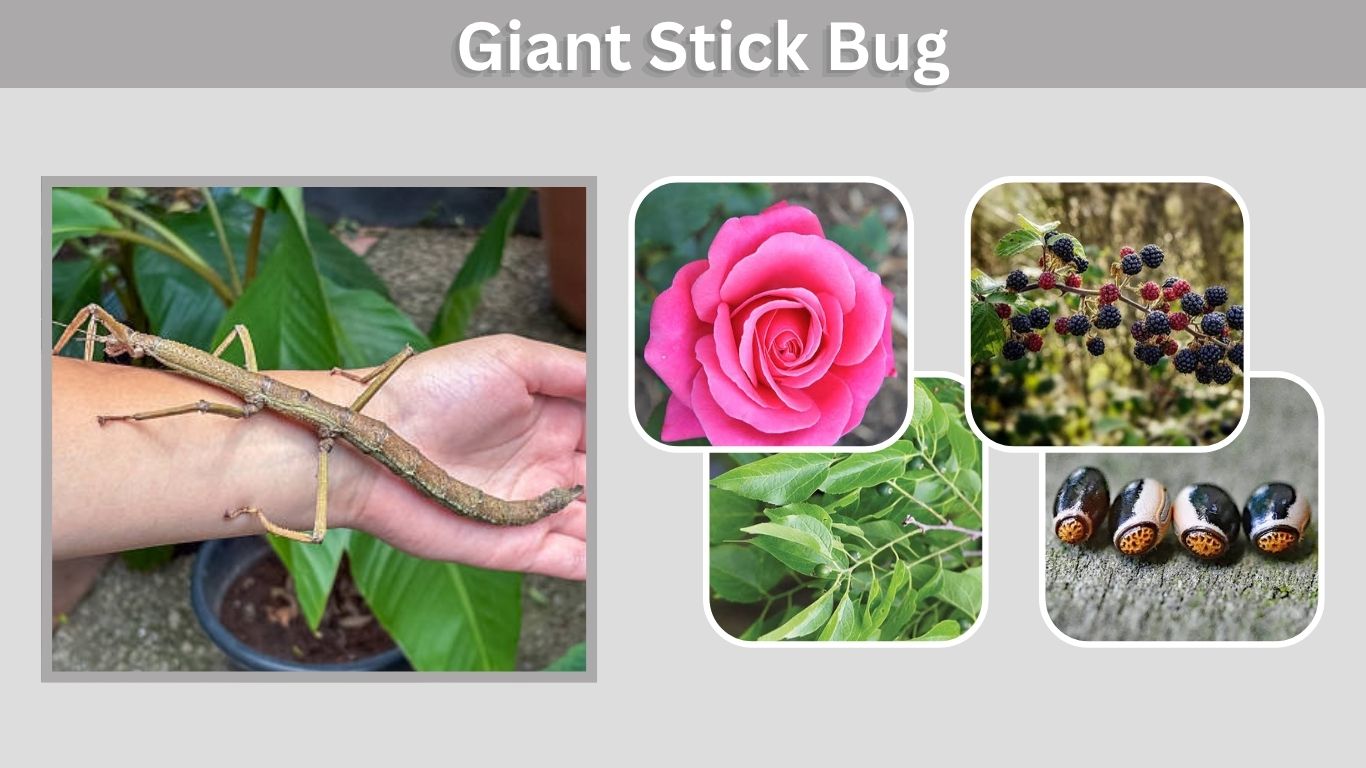
The term giant stick bug does not refer to only one species. It may describe Australia’s giant prickly stick insect, the giant walkingstick of Texas, … Read More
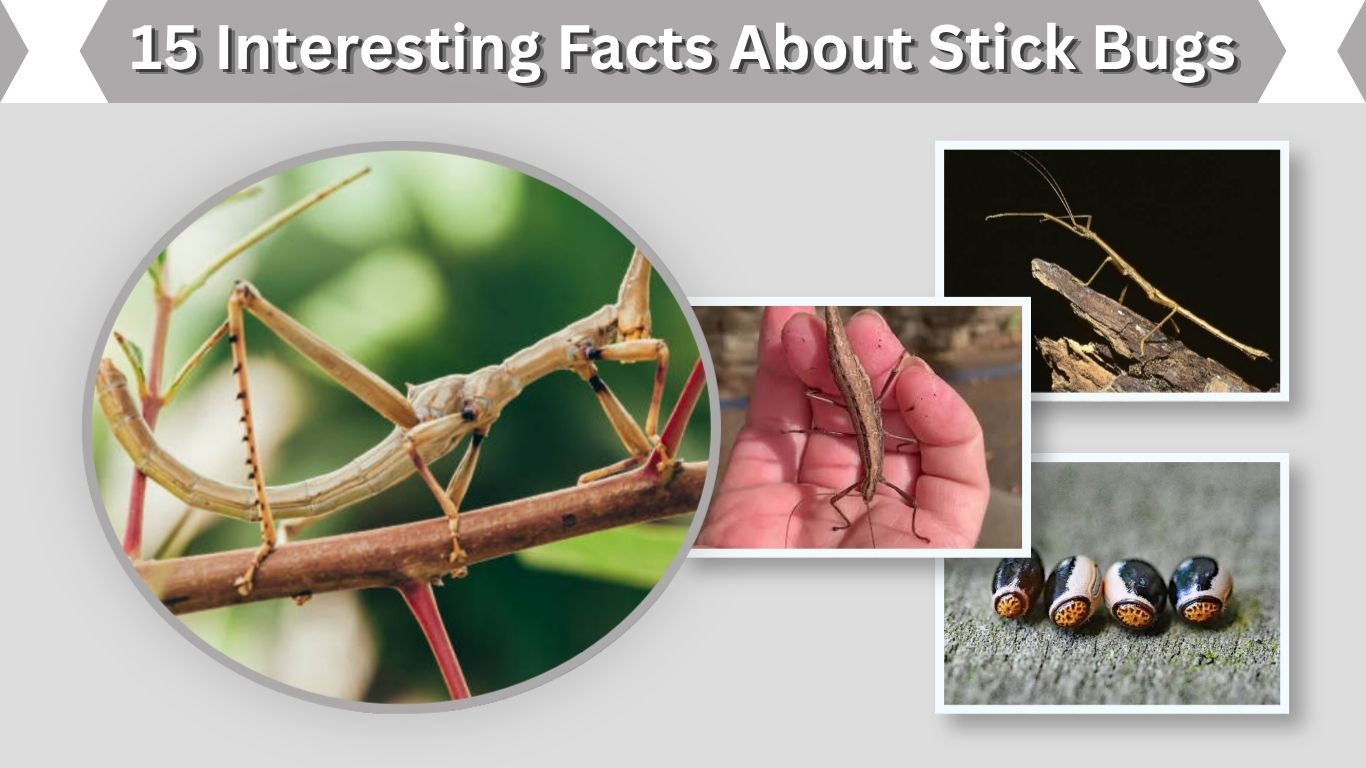
Stick bugs are masters of disguise that resemble twigs, branches, bark, or leaves. Also called walking sticks, stick insects, or phasmids, they belong to the … Read More
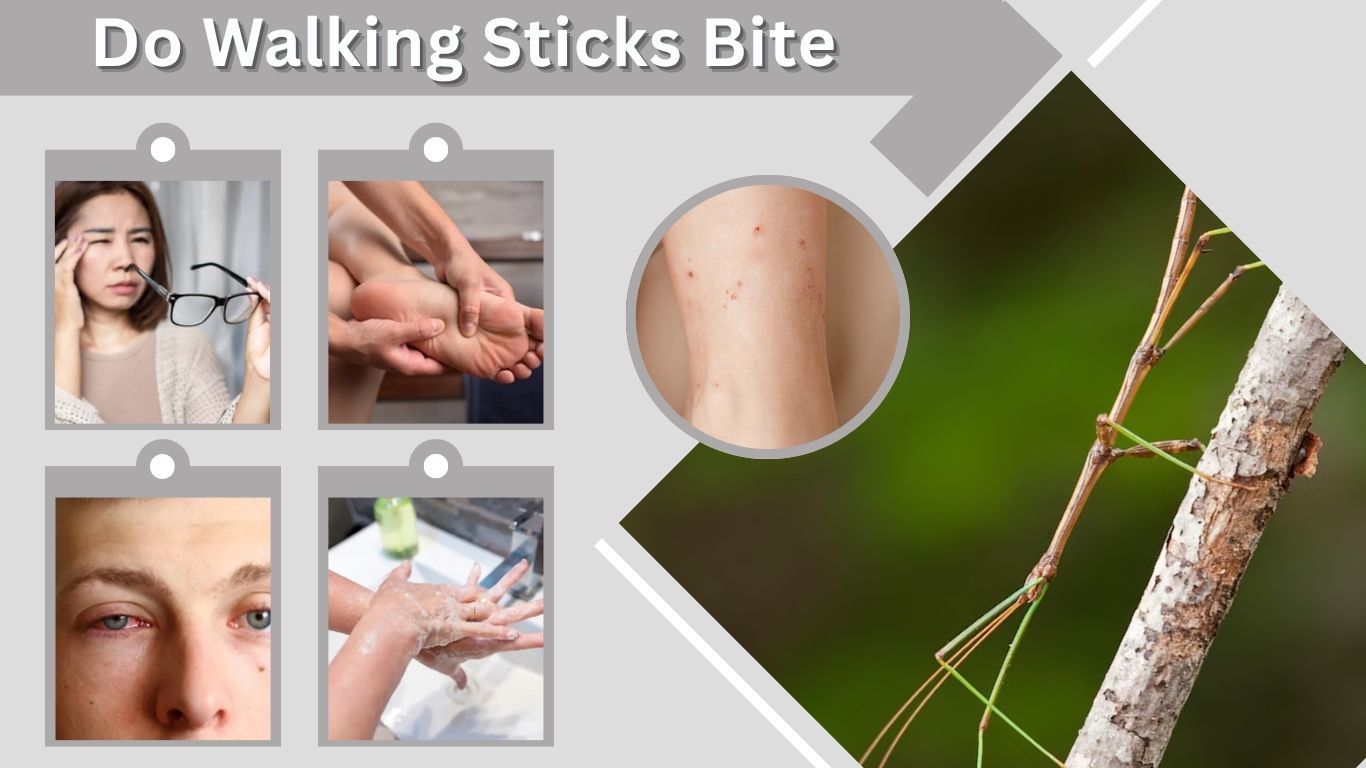
Walking sticks, also called stick insects or stick bugs, generally do not bite humans. They are slow-moving plant eaters with chewing mouthparts designed for feeding … Read More
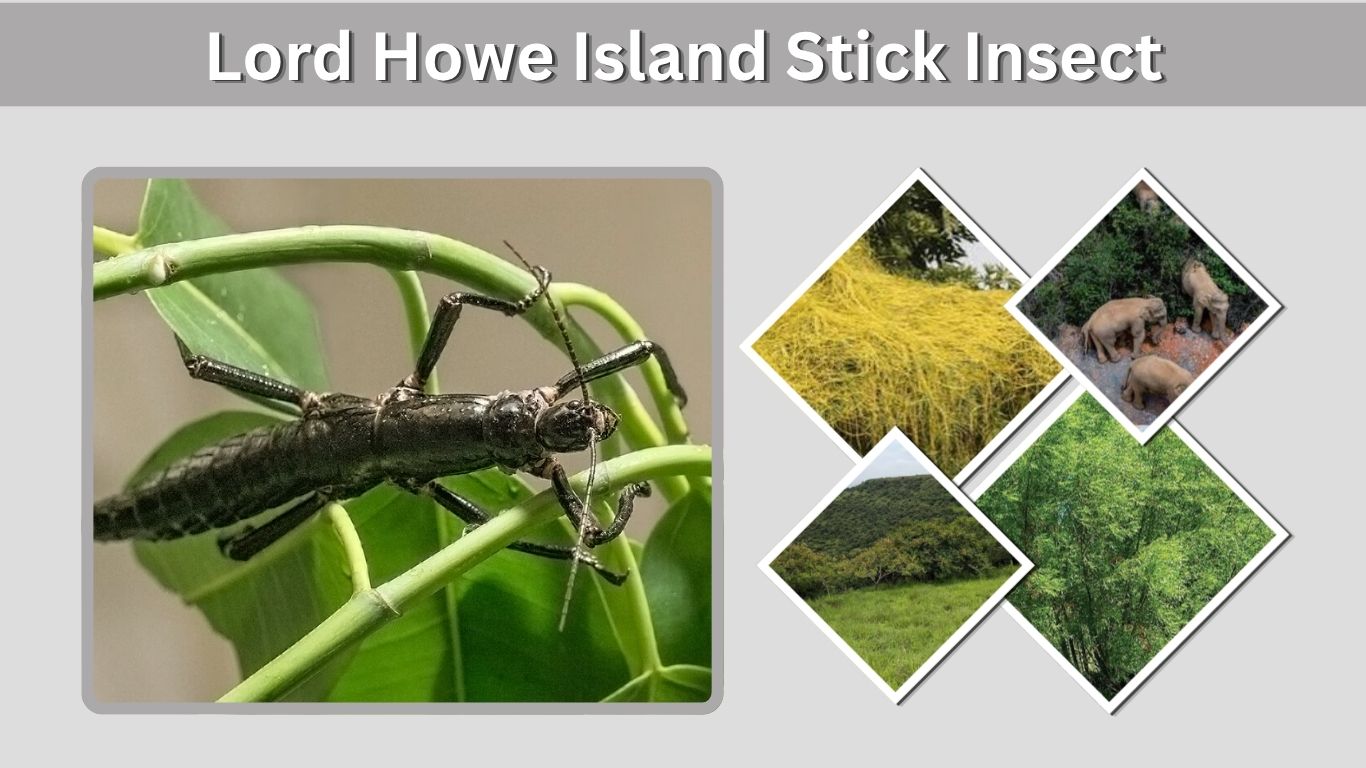
The Lord Howe Island stick insect is a large, flightless insect found naturally only within Australia’s Lord Howe Island Group. Also called the Lord Howe … Read More
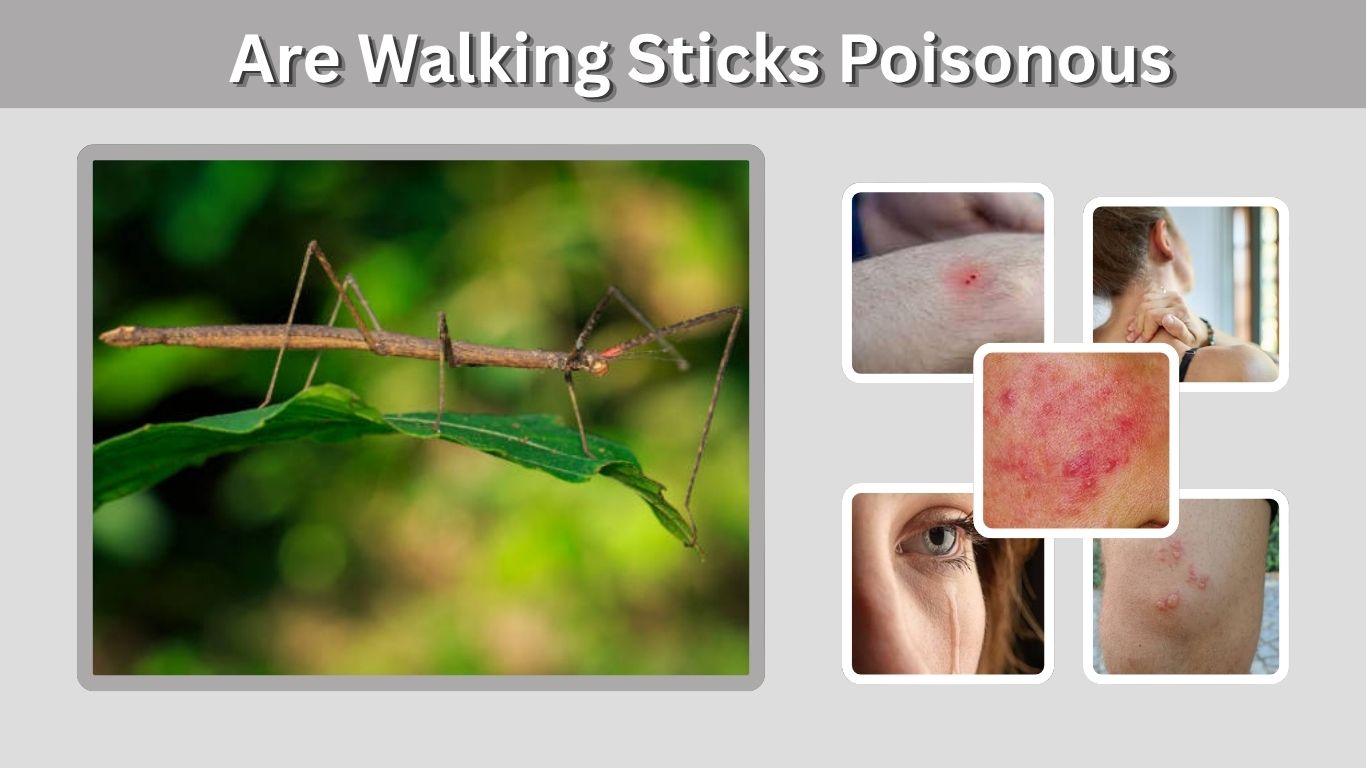
Most walking sticks, stick bugs, and stick insects are not poisonous, venomous, or dangerous to humans. They are plant-eating insects that rely mainly on twig-like … Read More
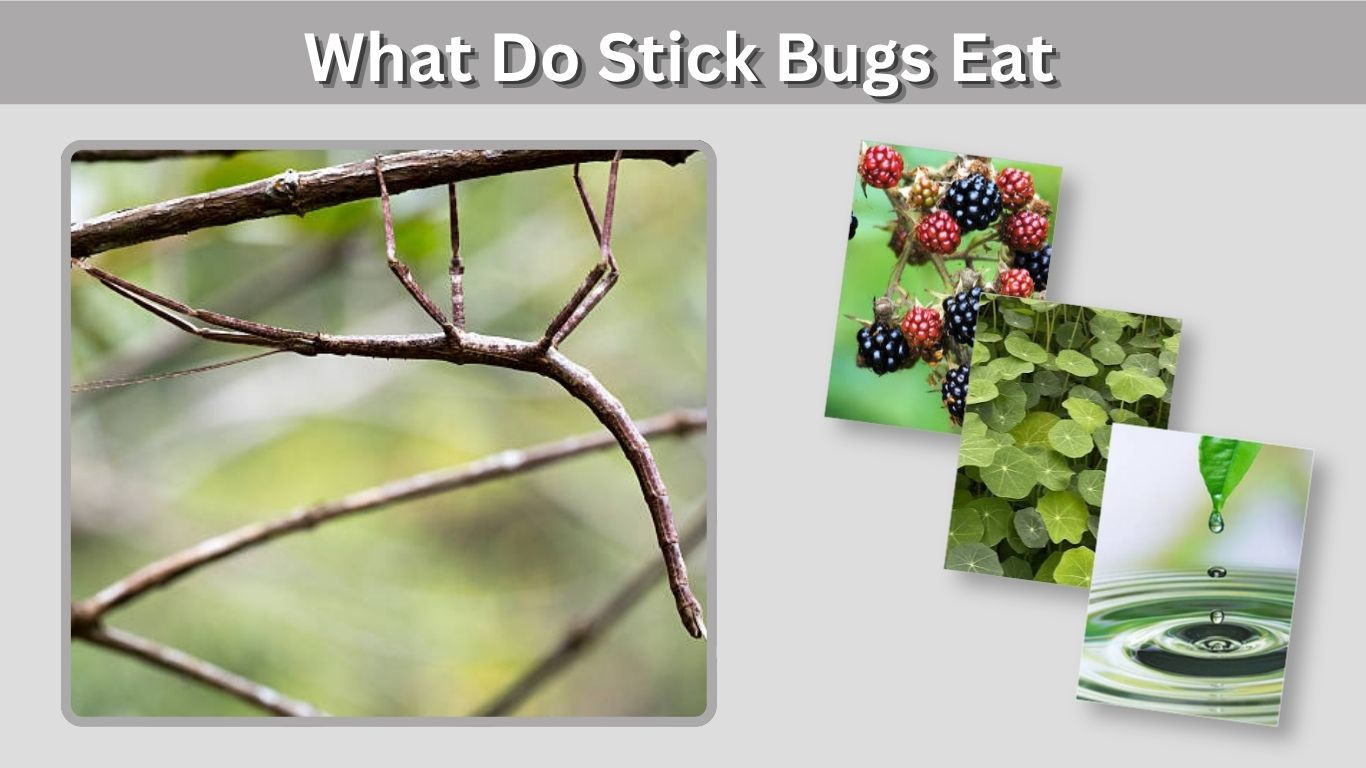
Stick bugs, also called walking sticks or stick insects, are herbivores that mainly eat fresh leaves. Their exact diet varies by species: some accept many … Read More
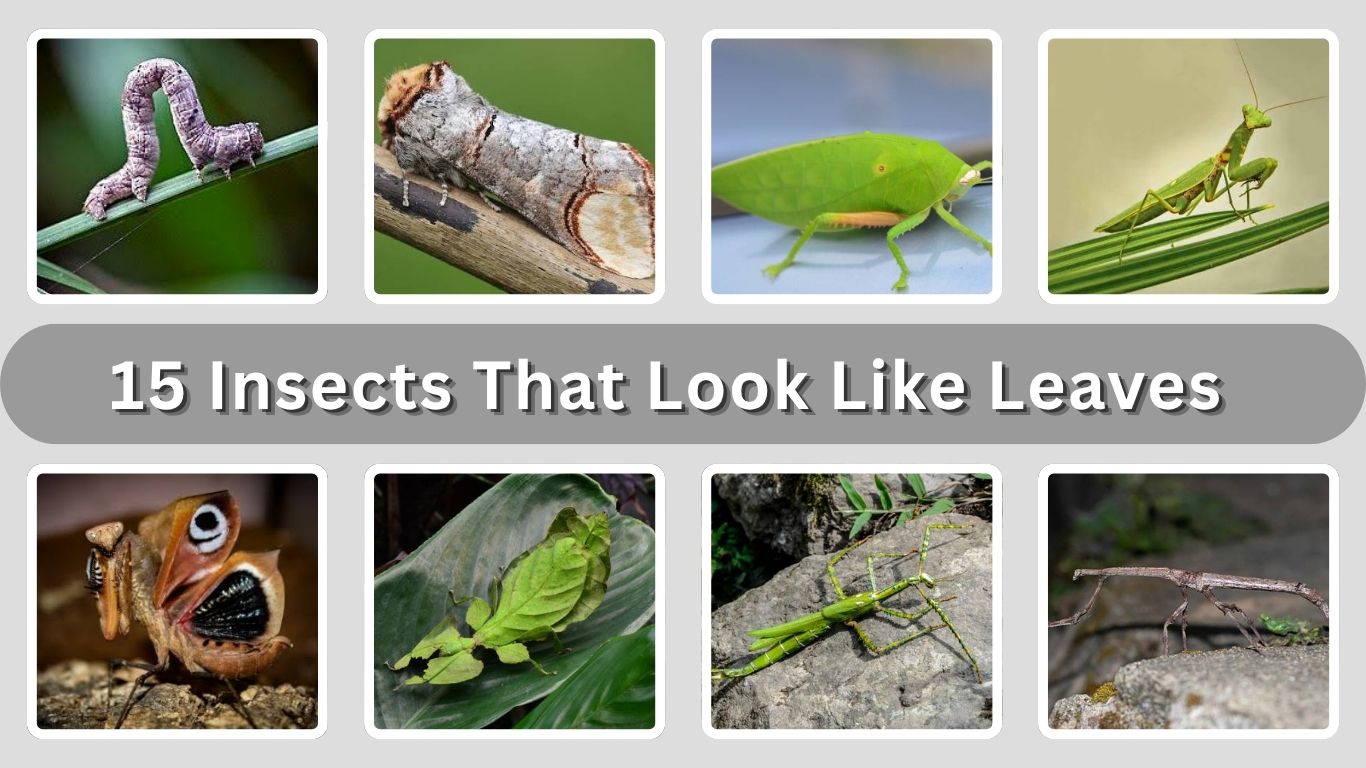
Some insects have evolved extraordinary camouflage that makes them nearly indistinguishable from leaves, sticks, twigs, and broken branches. Walking stick insects use long, narrow bodies … Read More
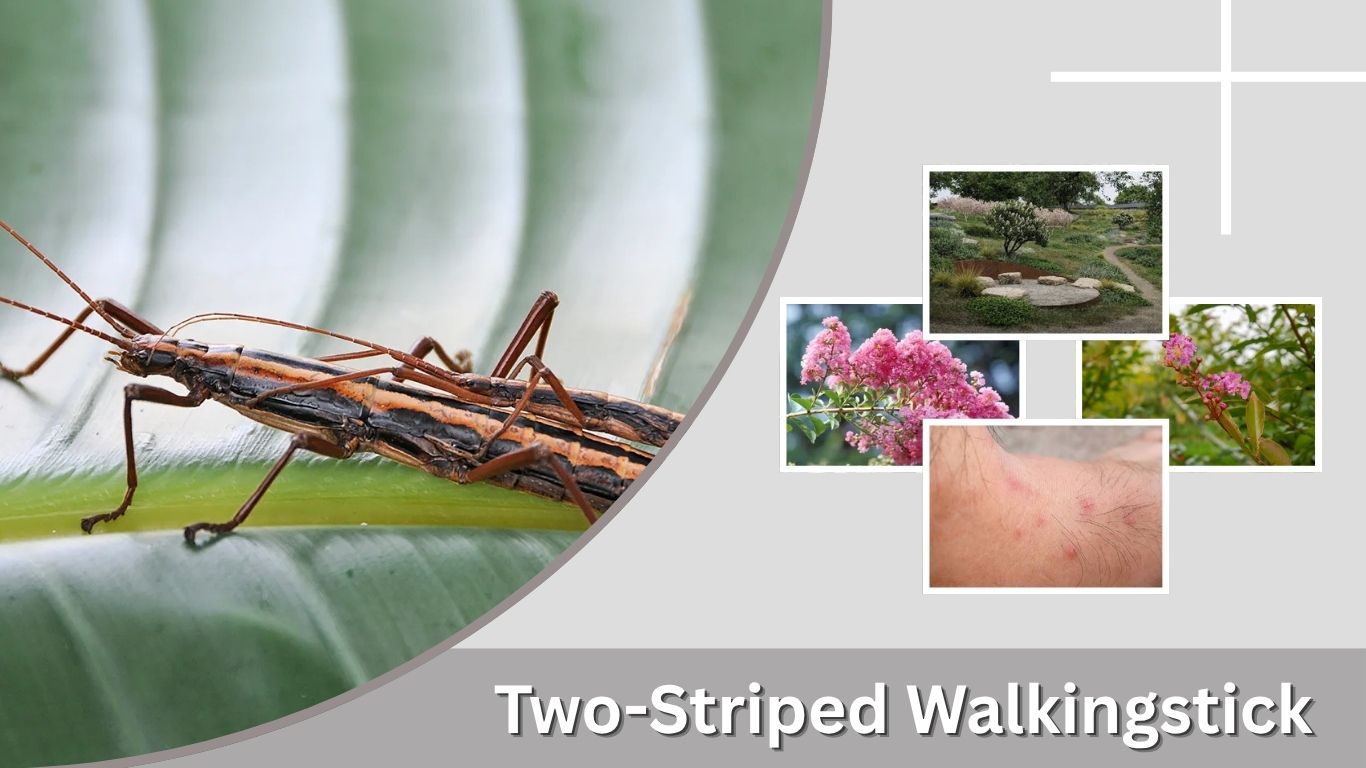
The two-striped walkingstick, Anisomorpha buprestoides, is a sturdy, wingless stick insect found in the southeastern United States. It is also called the southern two-striped walkingstick, … Read More
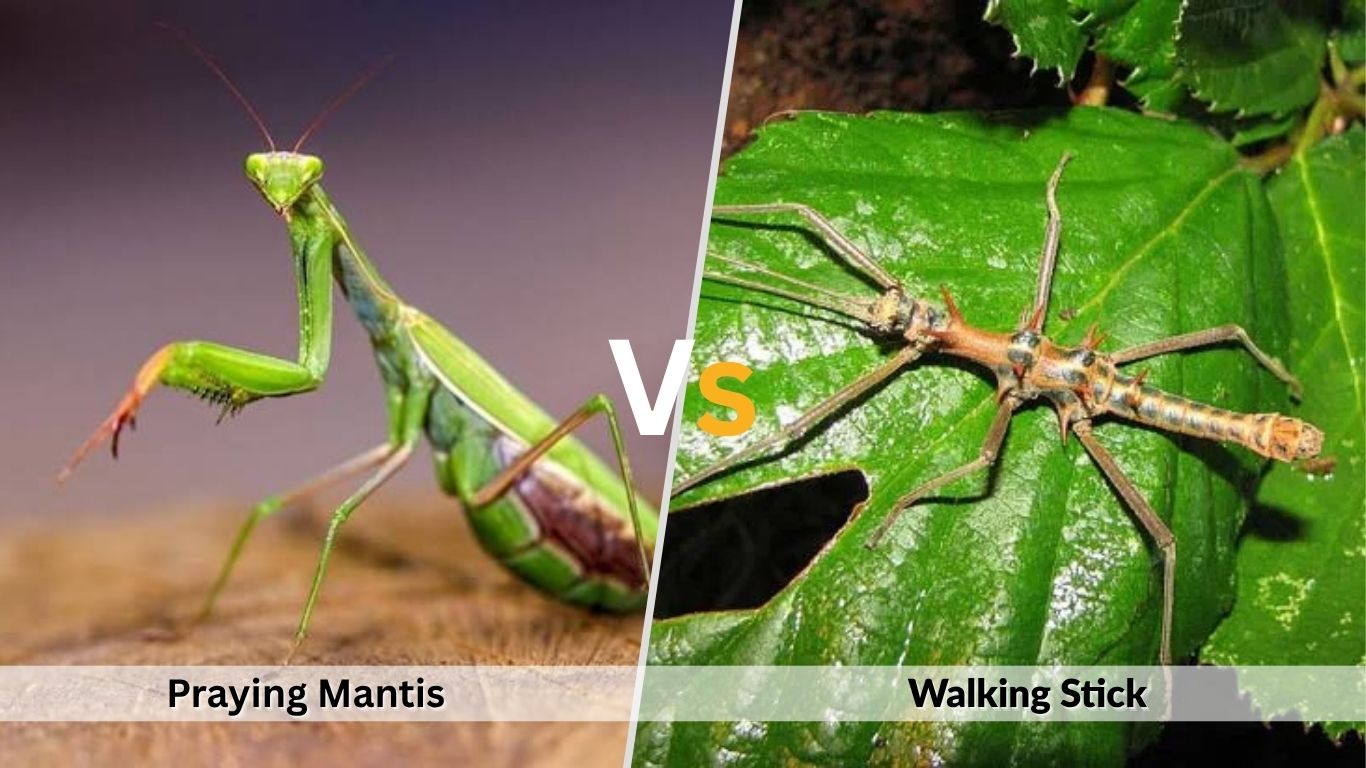
A praying mantis and a walking stick can look remarkably similar when resting among leaves and branches. Both have long bodies, six legs, and camouflage … Read More