
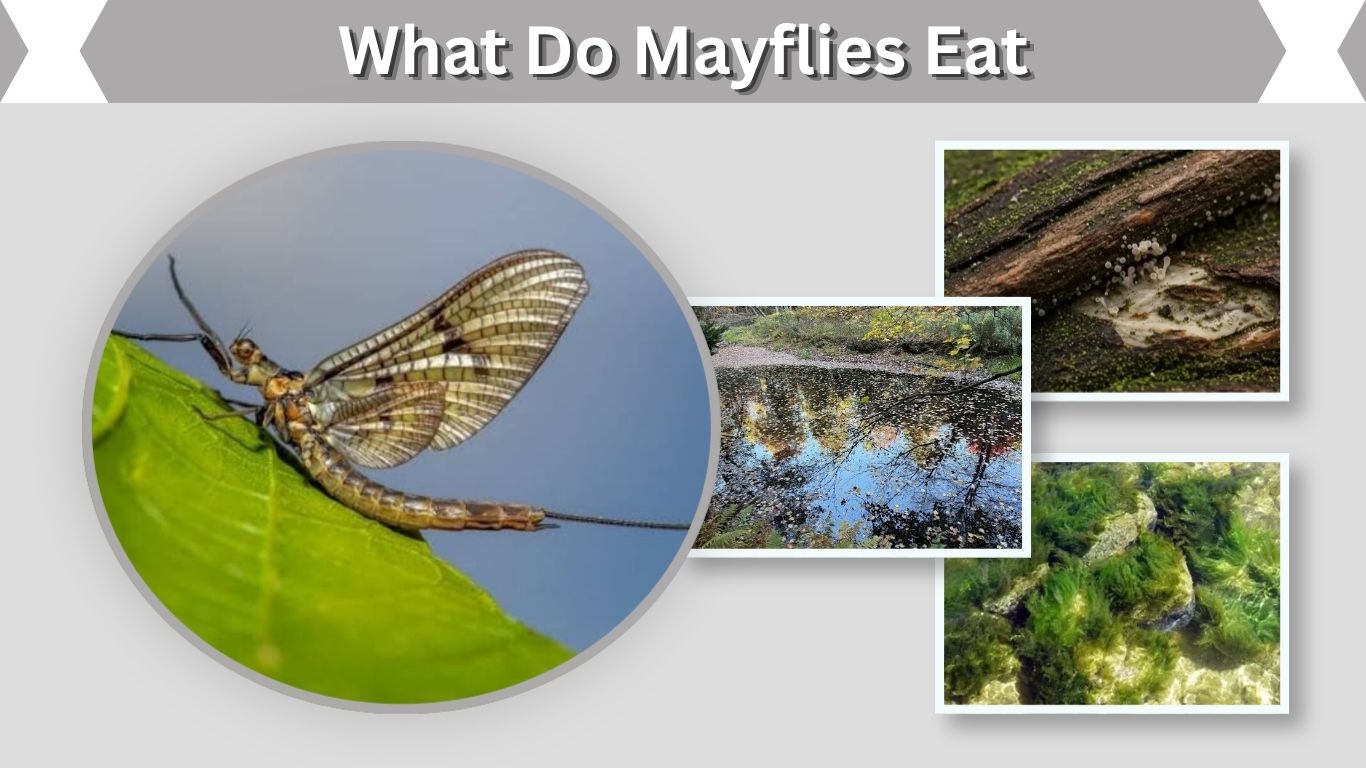
What Do Mayflies Eat? 10 Foods in Their Natural Diet
Mayflies eat mainly during their aquatic nymph stage. Most mayfly nymphs consume algae, diatoms, biofilm, decaying leaves, and fine organic debris found in streams, rivers, … Read More
Mayflies eat mainly during their aquatic nymph stage. Most mayfly nymphs consume algae, diatoms, biofilm, decaying leaves, and fine organic debris found in streams, rivers, … Read More
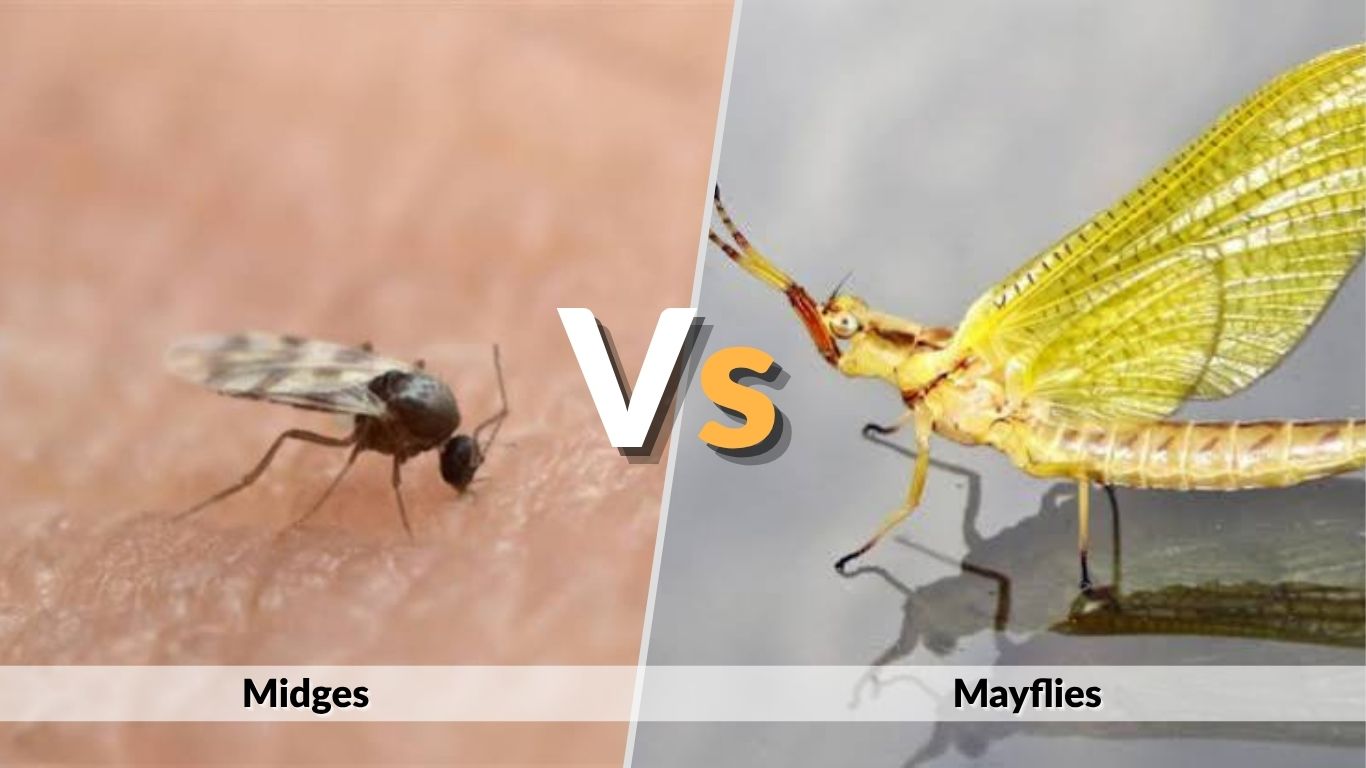
Midges and mayflies are small flying insects commonly found near lakes, rivers, ponds, and streams. Both can emerge from water in large numbers and gather … Read More
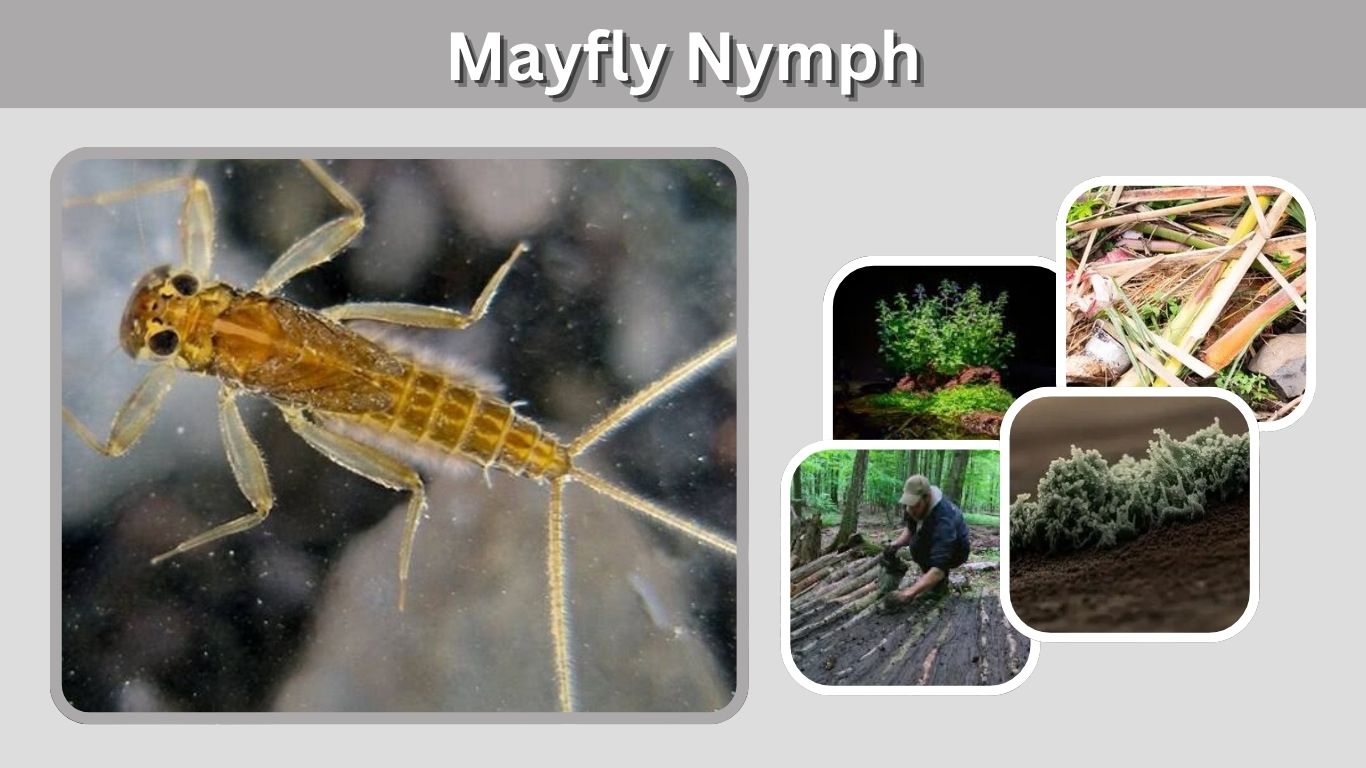
A mayfly nymph is the aquatic, immature stage of a mayfly. It lives beneath the surface of streams, rivers, ponds, and lakes, where it feeds, … Read More
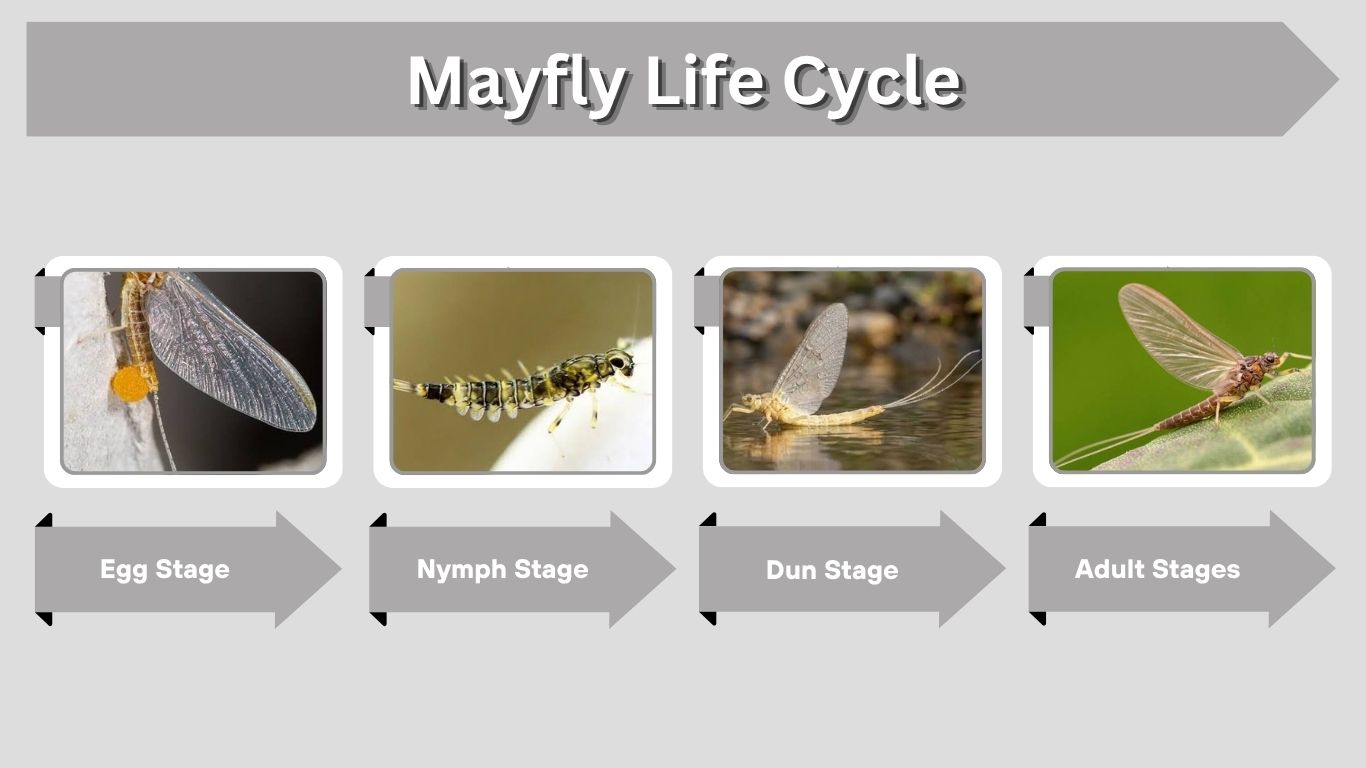
The mayfly life cycle includes four recognizable stages: egg, aquatic nymph, subimago, and mature adult. Unlike butterflies and beetles, mayflies do not pass through a … Read More
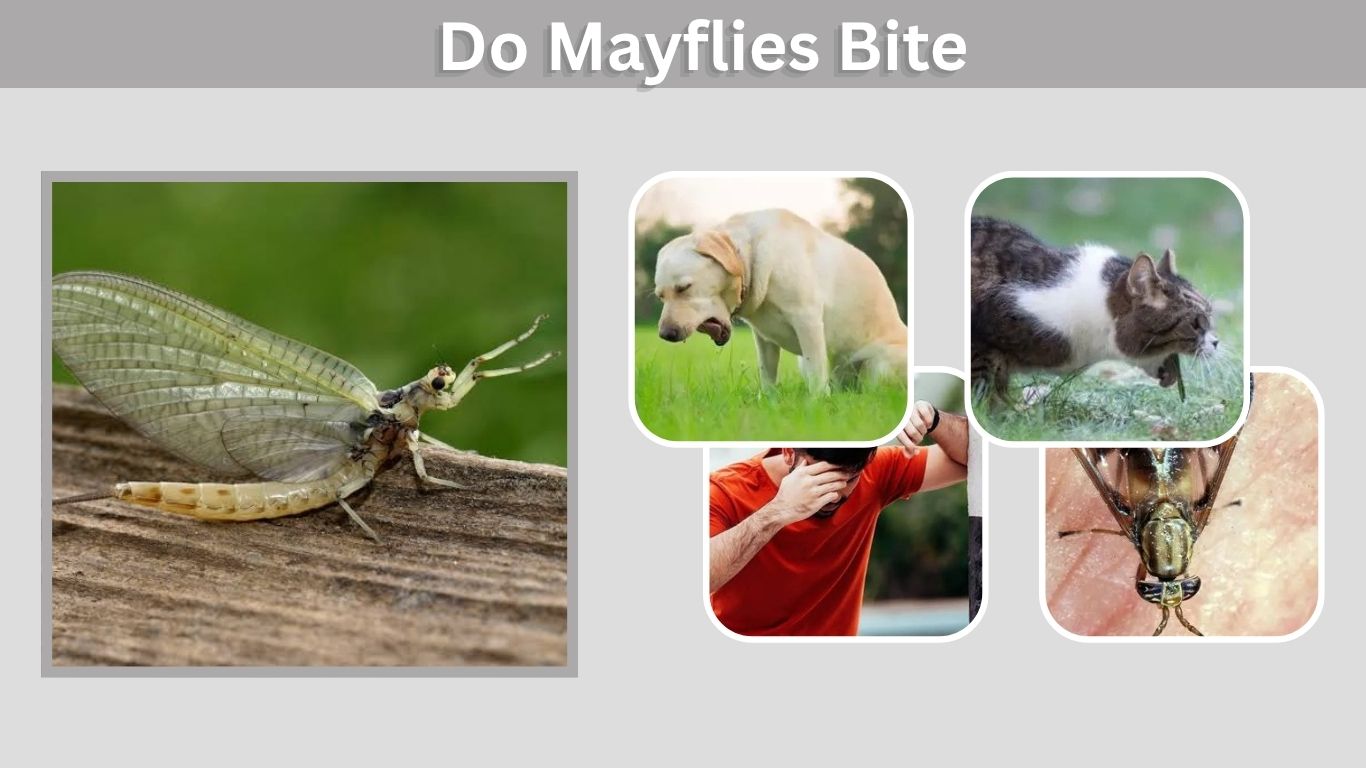
Mayflies often appear in enormous swarms around lakes, rivers, bridges, streetlights, and waterfront homes. Their long tails, upright wings, and sudden seasonal emergence can make … Read More
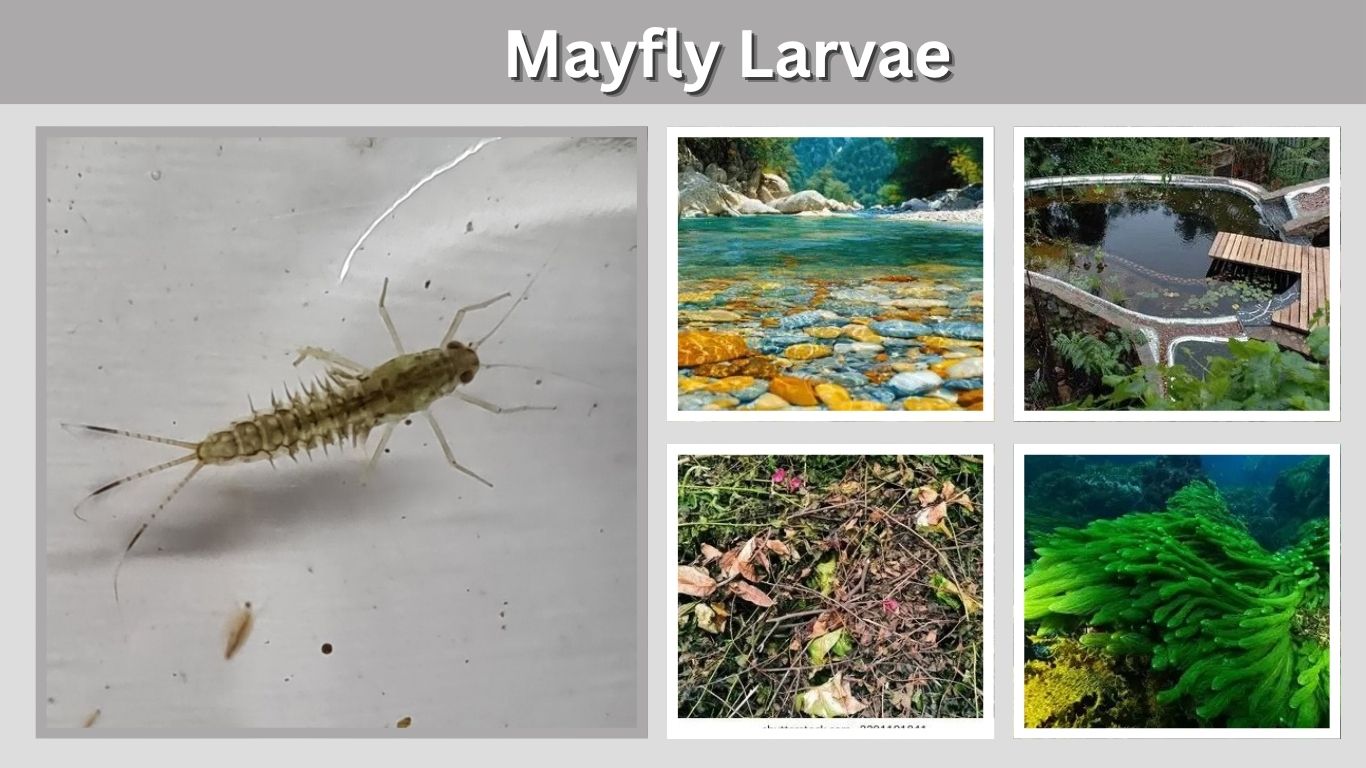
Mayfly larvae are aquatic insects that live in streams, rivers, lakes, and ponds before transforming into short-lived winged adults. Although people commonly call them larvae, … Read More
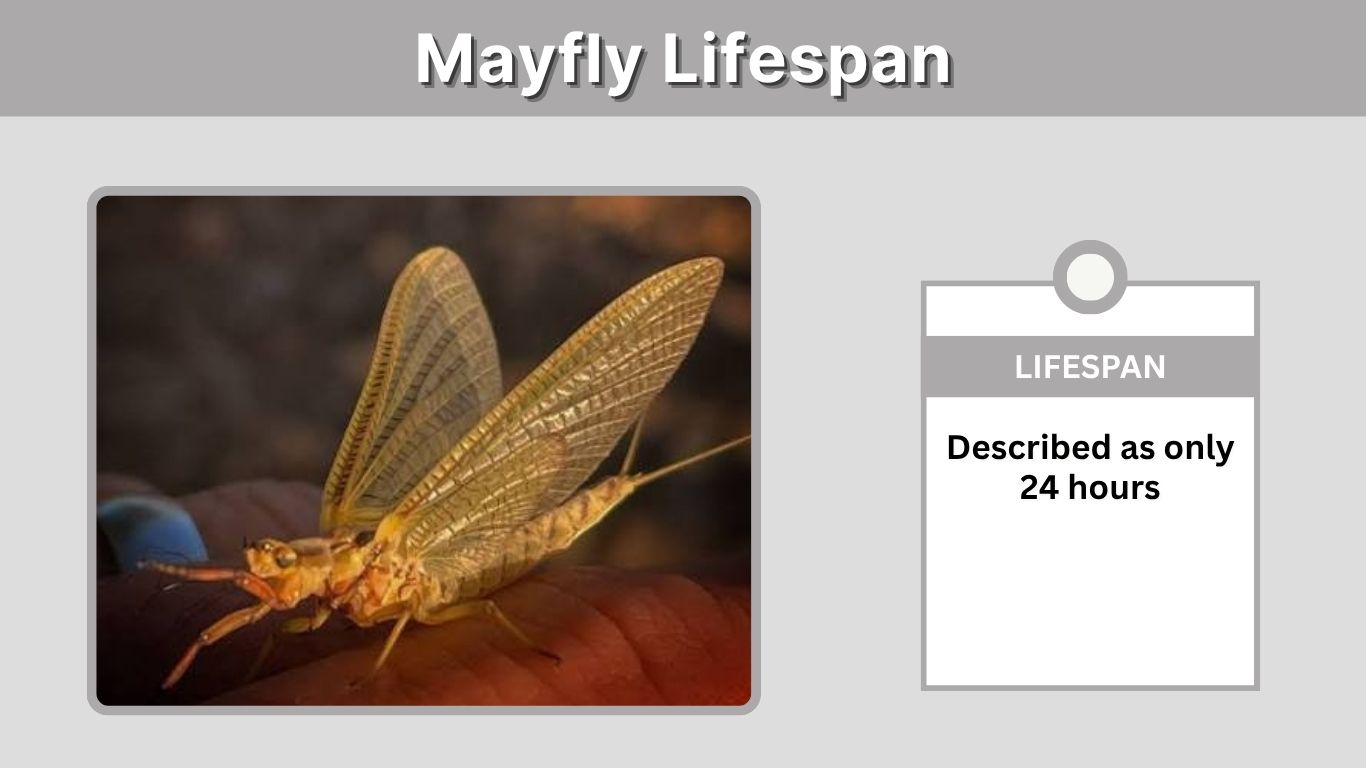
The mayfly lifespan is often described as only 24 hours, but that statement refers mainly to the insect’s final winged stage. A mayfly usually spends … Read More
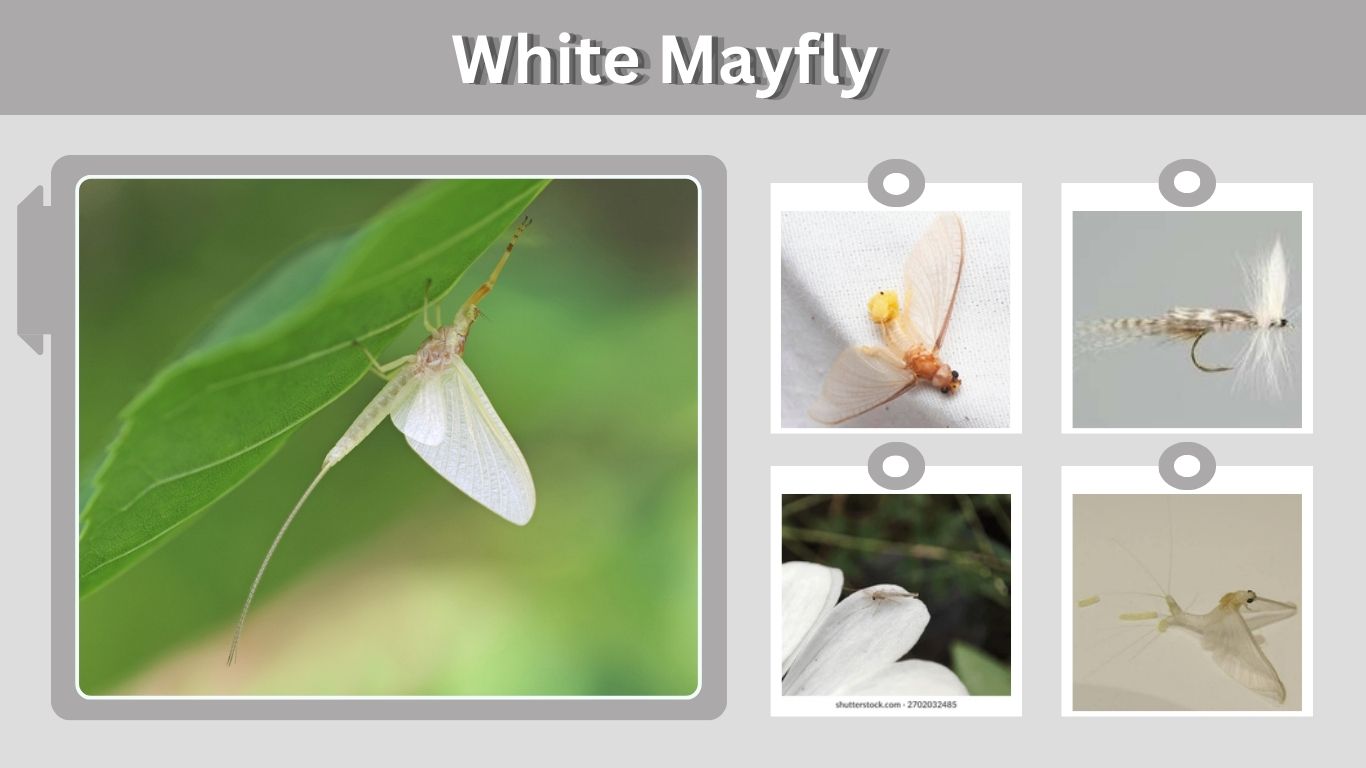
The white mayfly is a pale aquatic insect famous for creating dense late-summer hatches that can resemble snowstorms over rivers. In North America, the name … Read More
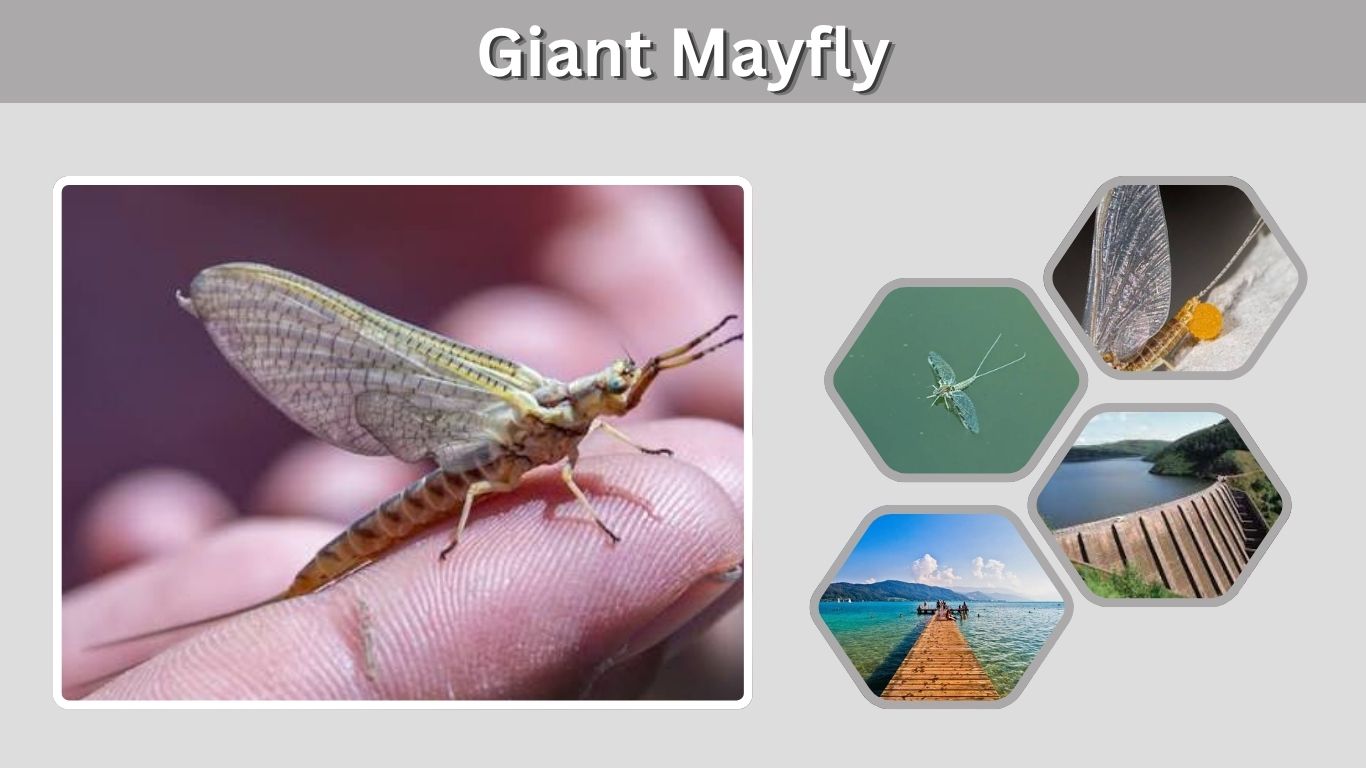
The giant mayfly is a large aquatic insect known for its delicate wings, long tails, and spectacular mass emergences. In North America, the name usually … Read More
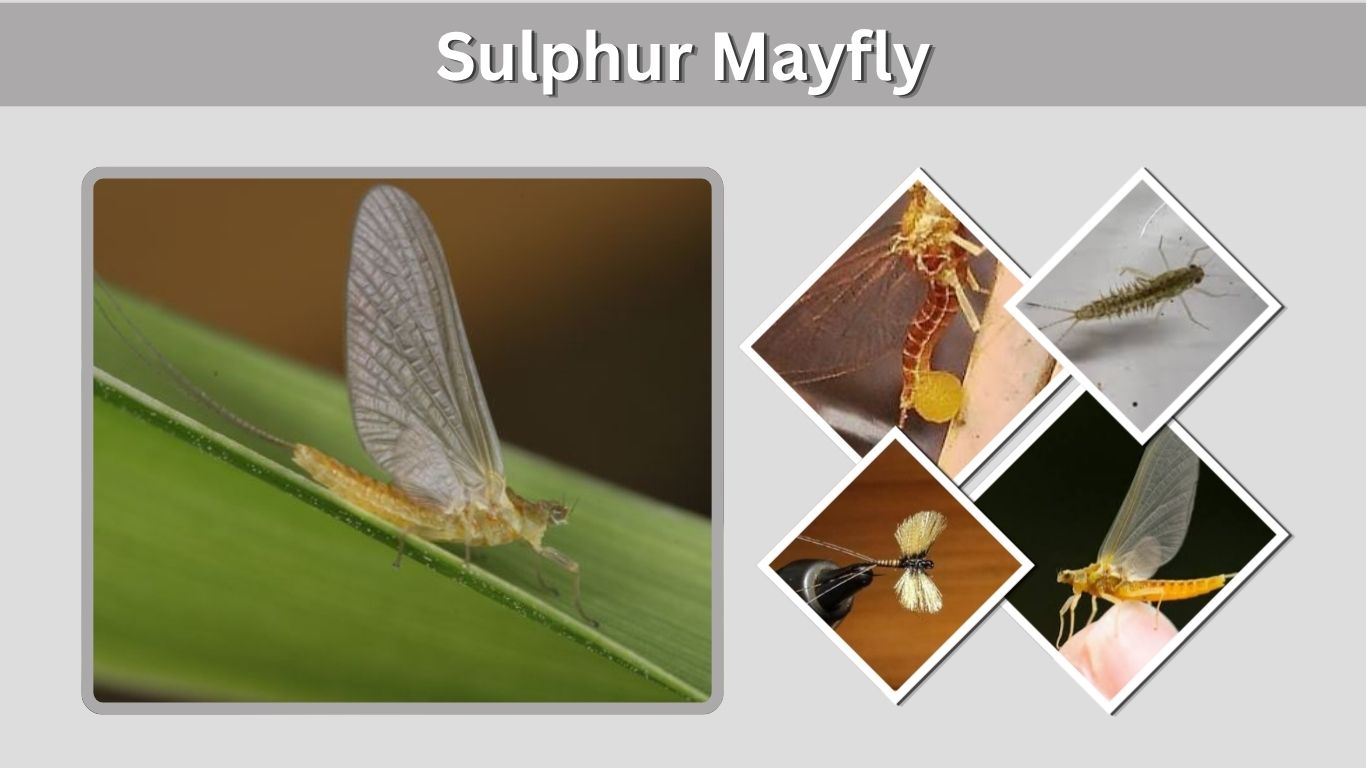
The sulphur mayfly is a small yellow-orange mayfly known for producing some of the most exciting spring and early-summer trout hatches in eastern North America. … Read More