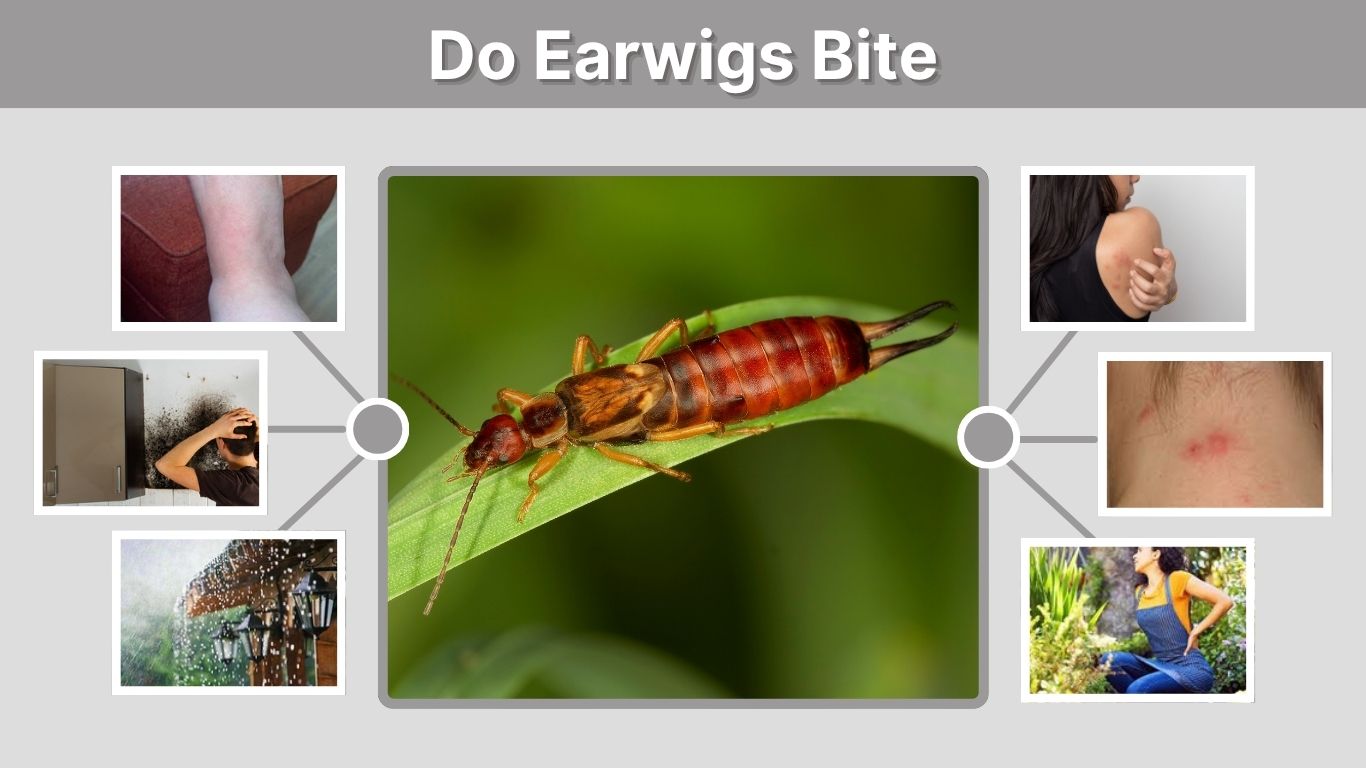
Earwigs are small insects that often scare people because of their long bodies and noticeable pincers. Many homeowners worry about finding them in bathrooms, basements, bedrooms, or gardens and wonder whether earwigs can bite humans or crawl into ears. Despite their frightening appearance, earwigs are usually harmless insects that prefer hiding in dark, damp spaces rather than attacking people.
Most encounters with earwigs involve mild pinches instead of true bites. They do not carry venom, rarely injure humans, and are not known for spreading diseases. Understanding how earwigs behave can help reduce fear and make it easier to prevent infestations around your home.
What Are Earwigs?
Earwigs are nocturnal insects commonly found in moist outdoor and indoor environments. They hide during the day and become active at night while searching for food and shelter. Their curved pincers make them look dangerous, but earwigs are generally shy insects that avoid human contact whenever possible. Learning about their appearance and habits helps explain why they are often misunderstood.
What Do Earwigs Look Like?
Earwigs have a very recognizable appearance that makes them easy to identify.
- Long, narrow brown bodies
- Curved pincers at the rear
- Long antennae
- Usually ½ to 1 inch long
- Fast-moving insects
Where Are Earwigs Commonly Found?
Earwigs thrive in damp, cool places with plenty of hiding spots. Outdoors, they live under mulch, rocks, flower pots, and wet leaves. Indoors, they often appear in bathrooms, kitchens, laundry rooms, or basements where moisture levels are high.
They are especially active during rainy weather or humid summer nights. Earwigs may accidentally wander into homes while searching for water or shelter from changing outdoor conditions.
Why Are People Afraid of Earwigs?
Many people fear earwigs because of old myths and their intimidating appearance. Stories about earwigs crawling into human ears have existed for centuries, even though this behavior is extremely rare.
Their pincers also make them appear aggressive, but earwigs mainly use these appendages for defense and mating. Most earwigs try to escape rather than attack when disturbed by humans.
Do Earwigs Bite Humans?
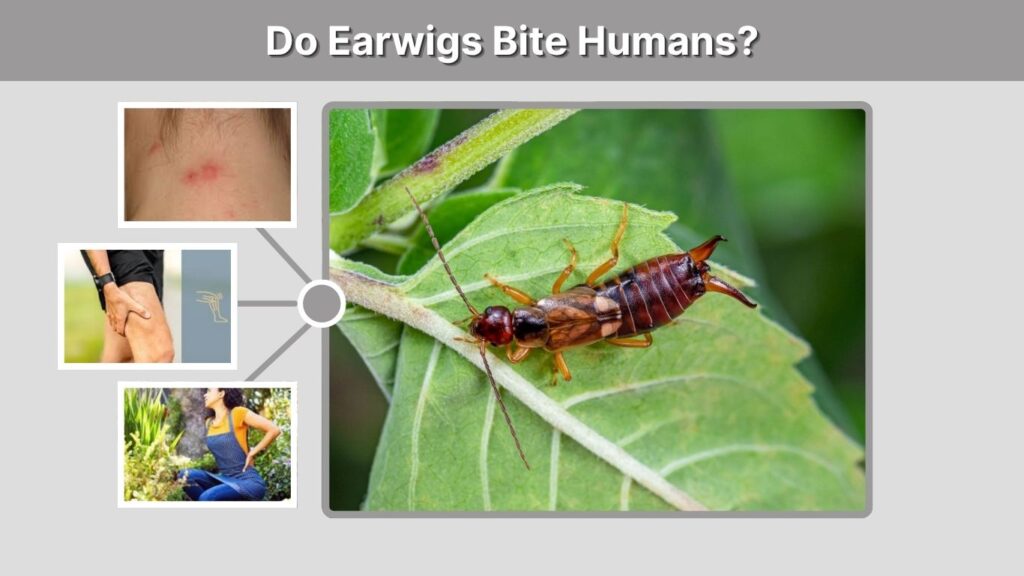
Earwigs do not truly bite humans in the same way mosquitoes, spiders, or bed bugs do. Instead, they may use their pincers to pinch when threatened or handled. These pinches are usually mild and harmless. Earwigs are not naturally aggressive insects, and human encounters rarely lead to injury or serious discomfort.
Do Earwigs Bite or Pinch?
Earwigs mainly pinch instead of bite because they use their pincers for protection.
- They do not have venom
- They rarely break human skin
- Most pinches are mild
- Larger earwigs pinch harder
- They usually avoid confrontation
Why Do Earwigs Pinch People?
Earwigs pinch when they feel trapped or threatened. Accidentally grabbing one while gardening or finding one inside clothing may trigger a defensive reaction.
They are not hunting humans or trying to attack people intentionally. Most earwigs immediately try to hide or escape instead of using their pincers. Pinching is simply their last defense mechanism when they cannot get away safely.
Do Earwig Bites Hurt?
An earwig pinch may cause slight discomfort, especially from larger species, but the pain is usually very minor. Most people compare it to a tiny pinch or mild pressure on the skin.
Unlike stinging insects, earwigs do not inject venom or toxins. Any irritation normally disappears quickly without medical treatment. Severe reactions are uncommon and usually related to sensitive skin rather than the insect itself.
Do Earwigs Bite You in Your Sleep?
Earwigs may occasionally wander into beds or bedrooms while searching for moisture or dark hiding places, but they do not actively seek sleeping humans.
- Earwigs prefer damp environments
- Beds are not natural habitats
- They avoid movement and noise
- Human contact is accidental
- Nighttime encounters are uncommon
What Do Earwig Bites or Pinches Look Like?
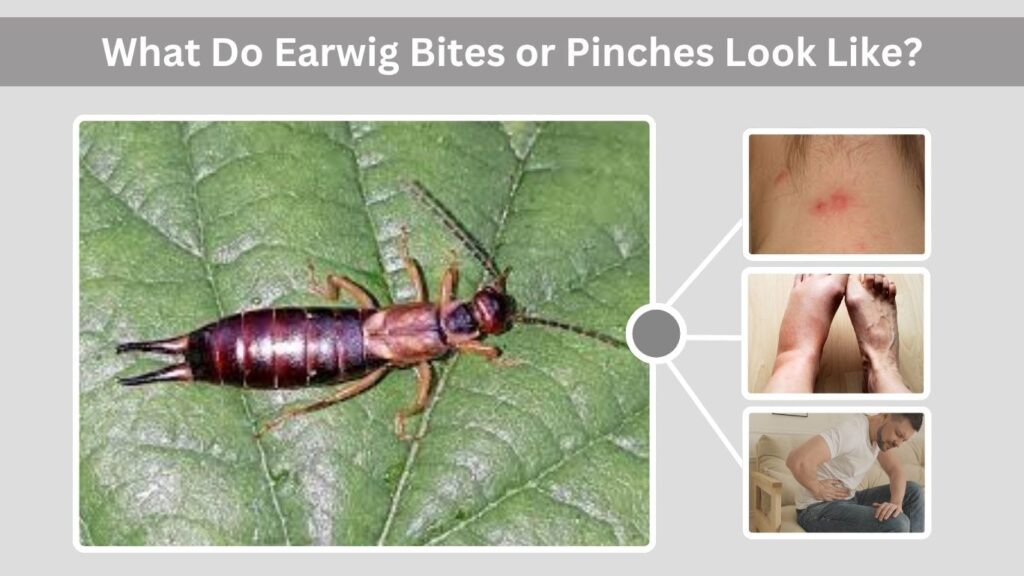
Earwig pinches are usually mild and leave only small visible marks on the skin. Many people mistake these marks for mosquito bites or other insect reactions because the symptoms are minor. In most cases, redness and irritation disappear within a short period without causing lasting problems or severe pain.
Common Signs of an Earwig Pinch
Most earwig pinches create small and temporary skin reactions.
- Tiny red spots
- Mild swelling
- Slight tenderness
- Temporary irritation
- Small pressure marks
Do Earwig Bites Itch?
Some people may experience mild itching after being pinched by an earwig, especially if they have sensitive skin. However, itching is generally much less severe than mosquito or flea bites.
The irritation usually fades within a few hours or days. Washing the area and avoiding scratching can help reduce discomfort and prevent additional irritation.
Earwig Bite vs Spider Bite
People often confuse earwig pinches with spider bites because both may leave small red marks. However, spider bites are usually more painful and may involve swelling, burning, or stronger reactions depending on the species.
Earwig pinches are far less serious and rarely require medical attention. Unlike certain spiders, earwigs are not venomous and do not pose major health risks to humans.
Are Earwigs Dangerous?
Earwigs may appear threatening because of their pincers, but they are generally harmless insects. They do not spread diseases, inject venom, or aggressively attack humans or pets. Most problems associated with earwigs involve nuisance infestations in damp homes or minor damage to garden plants rather than direct harm to people.
Are Earwigs Dangerous?
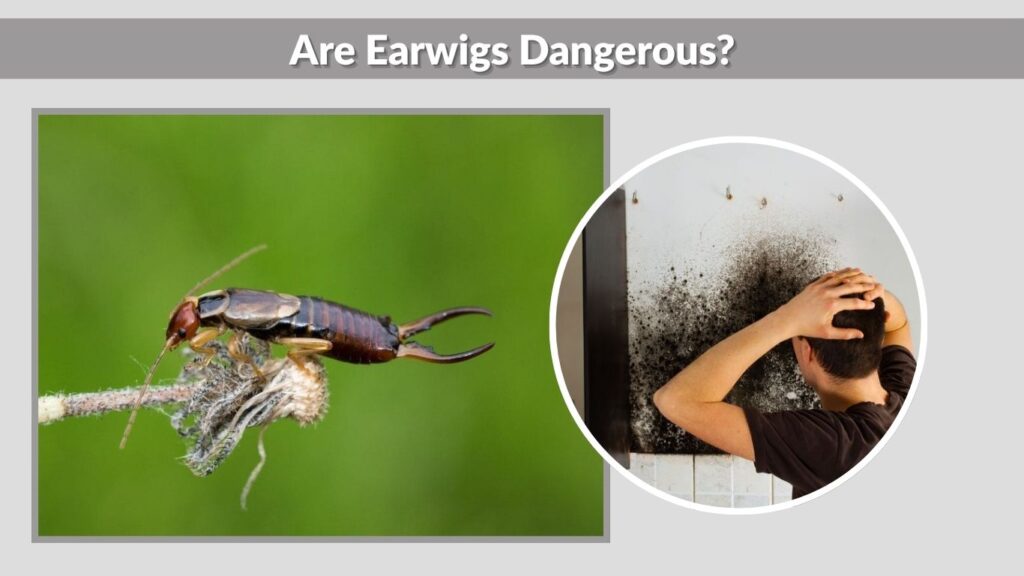
Earwigs are considered nuisance pests rather than dangerous insects. Although their appearance can be alarming, they rarely cause harm to humans or animals. Most earwig problems involve plant damage, indoor infestations, or mild pinches when handled. Understanding the facts about earwigs can help reduce unnecessary fear and make infestations easier to manage safely.
Do Earwigs Carry Diseases?
Earwigs are not known for spreading diseases to humans. Unlike mosquitoes, ticks, or fleas, they do not transmit harmful illnesses through bites or contact.
Because earwigs often hide in damp and dirty places, they may still contaminate surfaces slightly as they crawl around homes. Regular cleaning and moisture control are usually enough to prevent problems related to indoor earwig activity.
Can Earwigs Sting?
Earwigs do not have stingers and cannot sting people or pets.
- No venom glands
- No poisonous bite
- Pincers are defensive only
- Pinches are usually harmless
- Stings are impossible
Do Earwigs Crawl Into Human Ears?
The myth about earwigs crawling into ears has existed for centuries, largely because of the insect’s name. In reality, this behavior is extremely rare and not considered normal for earwigs.
Like many insects, earwigs may accidentally wander into unusual places while searching for shelter, but they are not attracted to human ears. Most earwigs prefer damp outdoor hiding spots rather than human bodies.
Are Earwigs Harmful to Pets?
Earwigs are generally harmless to cats, dogs, and other household pets. Curious pets may paw at or eat earwigs without serious consequences.
- Usually non-toxic to pets
- Rarely pinch animals
- No venom or poison
- Minor stomach upset possible
- Vet visits are rarely needed
What to Do If an Earwig Pinches or Bites You
Most earwig pinches can be treated easily at home without medical attention. Symptoms are usually mild and disappear quickly. Basic first aid and proper skin care can reduce irritation and prevent infection if the skin becomes scratched or sensitive after contact with the insect.
Wash the Area Properly
Cleaning the affected skin is the first step after an earwig pinch.
- Wash with soap and water
- Remove dirt and bacteria
- Pat the skin dry gently
- Avoid harsh chemicals
- Keep the area clean
Reduce Swelling and Irritation
If redness or swelling appears, a cold compress can help calm the skin and reduce discomfort. Anti-itch creams or mild hydrocortisone products may also provide relief for sensitive skin reactions.
Avoid scratching the irritated area because scratching may worsen redness or introduce bacteria into the skin. Most symptoms improve within a short time without additional treatment.
When to See a Doctor
Medical attention is rarely needed after an earwig pinch, but unusual reactions should still be monitored carefully.
- Severe swelling
- Signs of infection
- Difficulty breathing
- Large skin rash
- Persistent pain
How Long Do Earwig Pinches Last?
Most earwig pinches heal quickly and cause only temporary discomfort. Mild redness or irritation often disappears within several hours or a few days depending on skin sensitivity.
Serious complications are extremely uncommon. Keeping the area clean and avoiding irritation usually allows the skin to recover naturally without long-term effects.
Why Earwigs Enter Homes

Earwigs move indoors when environmental conditions outside become unfavorable. Moisture, darkness, and shelter are the main reasons homes attract these insects. Reducing humidity and removing hiding places can significantly lower the chances of indoor infestations during warm or rainy seasons.
Moisture and Humidity Problems
Earwigs thrive in damp environments where water is easily available. Bathrooms, basements, kitchens, and laundry rooms often attract them because these areas remain humid for long periods.
Leaky pipes, clogged drains, and poor ventilation create ideal conditions for earwigs to survive indoors. Using exhaust fans and repairing moisture issues can help make your home less appealing to them.
Outdoor Conditions That Attract Earwigs
Outdoor spaces around homes often provide perfect shelter for earwigs.
- Wet mulch and leaves
- Overwatered flower beds
- Wood piles near walls
- Damp soil and grass
- Thick vegetation
Seasonal Earwig Activity
Earwig populations usually increase during spring and summer when temperatures rise and moisture levels stay high. Heavy rain can drive earwigs indoors searching for dry shelter.
Because earwigs are nocturnal, homeowners often notice them more frequently at night near lights, sinks, or damp corners. Seasonal prevention methods work best before infestations become severe.
FAQs
Do earwigs bite humans or just pinch?
Earwigs mainly pinch rather than bite. They use their pincers for defense when threatened or handled. Most pinches are mild and harmless, causing only slight discomfort or temporary skin irritation.
What does an earwig bite look like?
An earwig pinch usually appears as a small red mark or mild swelling on the skin. In most cases, the reaction is minor and fades within a short time without leaving permanent marks or serious irritation.
Do earwig bites itch or hurt?
Earwig pinches may cause slight itching or tenderness, especially on sensitive skin. However, the discomfort is usually mild compared to mosquito bites or bee stings and normally disappears quickly.
What should I do if an earwig pinches me?
Wash the area with soap and water, then apply a cold compress if swelling occurs. Avoid scratching the skin, and use anti-itch cream if necessary. Most earwig pinches heal without medical treatment.
Are earwigs dangerous to pets or children?
Earwigs are generally harmless to pets and children. They do not carry venom or spread diseases. While they may pinch if handled, serious injuries or reactions are extremely rare.