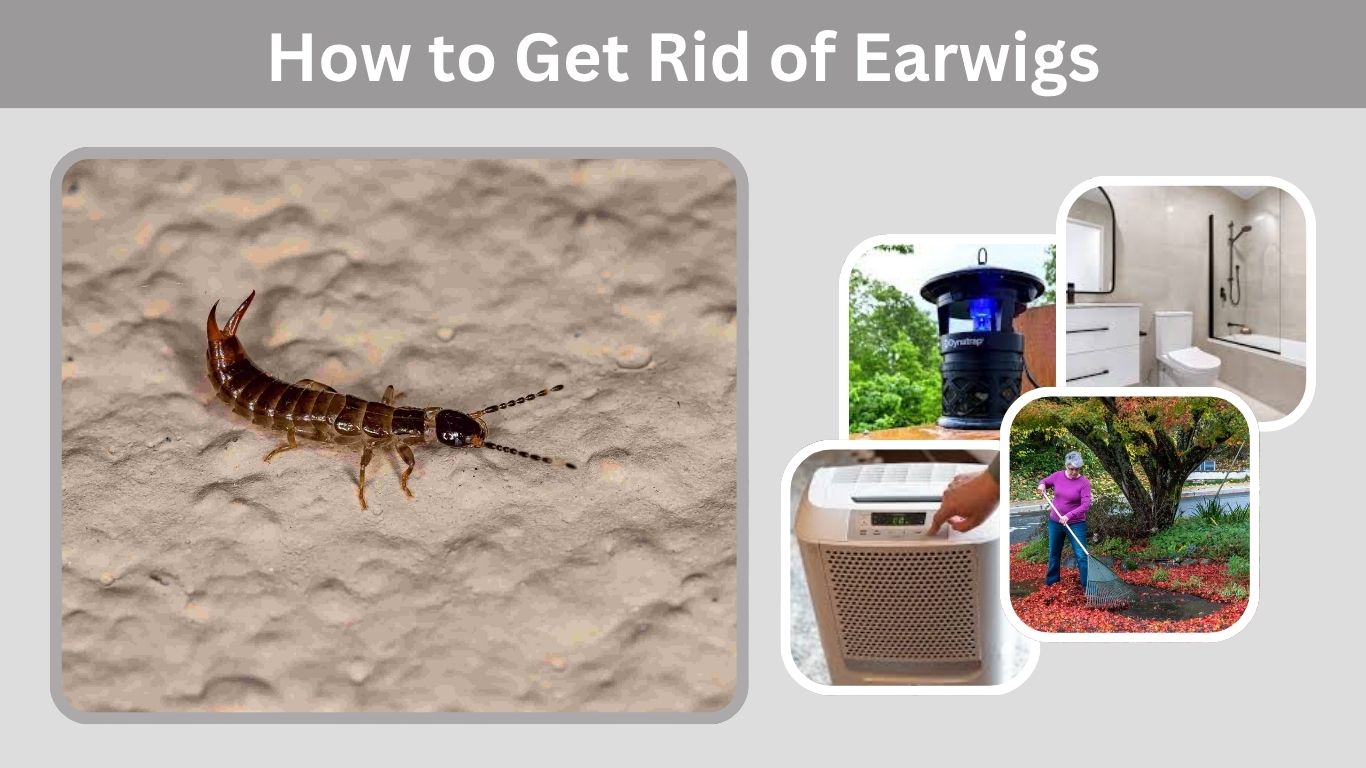
Earwigs are common household and garden pests that thrive in dark, damp places. Many people notice them in bathrooms, basements, flower beds, or around potted plants, especially after rain. Although they look intimidating because of their pincers, earwigs are usually harmless to humans. However, large infestations can damage plants and become a nuisance indoors.
Getting rid of earwigs requires a combination of moisture control, cleaning, trapping, and prevention. Whether you are dealing with earwigs inside your home or in the garden, several natural and fast solutions can help eliminate them and stop them from returning.
What Are Earwigs?
Earwigs are small insects known for their long bodies and pincer-like appendages at the back. They are mostly active at night and hide in moist, dark locations during the day. Earwigs often enter homes searching for water, shelter, or cooler temperatures. Understanding their habits makes it easier to remove them effectively and prevent future infestations.
What Do Earwigs Look Like?
Earwigs are easy to recognize because of their unique appearance.
- Usually brown or reddish-brown
- About ½ to 1 inch long
- Have curved pincers on the abdomen
- Possess long antennae
- Move quickly and hide in dark places
Why Are Earwigs in My House?
Earwigs are attracted to damp environments and easy hiding spots. Homes with moisture problems often experience indoor infestations, especially during wet weather or seasonal changes.
- Leaky pipes and drains
- Damp basements and bathrooms
- Cracks around doors and windows
- Wet towels or laundry piles
- Mulch or vegetation near the house
Are Earwigs Dangerous?
Earwigs may look scary, but they are not considered dangerous to humans. They rarely pinch people, and even when they do, the pinch is mild and harmless. Earwigs do not spread diseases, but they can damage flowers, vegetables, and soft plant leaves in gardens.
Signs of an Earwig Infestation
A few earwigs may not be a serious problem, but large numbers can indicate an infestation. They usually hide during the day and become active at night.
- Earwigs in sinks or bathtubs
- Damaged leaves and seedlings
- Presence under flower pots
- Dark droppings near hiding spots
- Earwigs around damp storage boxes
Why Earwigs Invade Homes and Gardens
Earwigs prefer cool, damp environments with plenty of hiding spaces. Homes and gardens provide ideal conditions when moisture levels are high or clutter is present. Outdoor populations often move indoors during extreme weather conditions, especially after rain or during hot, dry periods. Eliminating moisture and reducing hiding places are key steps for long-term earwig control.
Moisture and Humidity Problems
Excess moisture is one of the biggest reasons earwigs invade homes. Bathrooms, kitchens, laundry rooms, and basements are common indoor hotspots because they stay humid and dark for long periods.
Using exhaust fans, fixing leaks, and improving ventilation can make these areas less attractive to earwigs. A dehumidifier may also help reduce moisture in basements or crawl spaces where infestations are common.
Outdoor Conditions That Attract Earwigs
Gardens naturally attract earwigs because they provide shelter and food sources. Earwigs hide under mulch, rocks, wood piles, and damp leaves during the daytime.
Overwatered flower beds and thick vegetation create perfect environments for these pests. Reducing excess moisture outside the home can significantly lower earwig populations before they move indoors.
Seasonal Earwig Activity
Earwigs are most active during spring and summer. Heavy rain often drives them indoors searching for dry shelter. They are nocturnal insects, meaning they usually feed and move around at night.
You may notice increased activity around lights, drains, and damp outdoor areas after sunset. Monitoring their activity during warm seasons helps prevent infestations from becoming severe.
How to Get Rid of Earwigs in Your House Fast
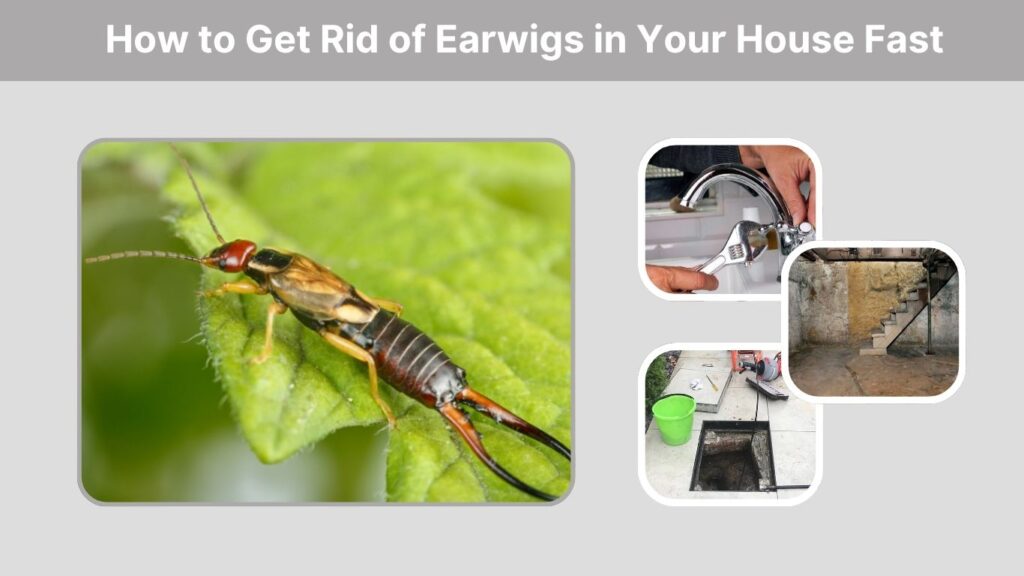
Getting rid of earwigs indoors starts with eliminating moisture and blocking their entry points. Fast action can prevent a small problem from turning into a larger infestation. Combining cleaning, trapping, and home maintenance methods usually provides the best results without relying heavily on chemicals.
Find and Remove Moisture Sources
Reducing moisture inside the home is one of the most effective ways to control earwigs.
- Repair leaking faucets and pipes
- Dry wet areas immediately
- Use a dehumidifier in damp rooms
- Improve airflow with fans
- Clean drains regularly
Vacuum Earwigs Immediately
Vacuuming is a quick and simple way to remove earwigs indoors. Focus on dark corners, baseboards, under furniture, and bathroom areas where they tend to hide.
After vacuuming, empty the vacuum bag or canister outside the home to prevent earwigs from escaping back indoors. Regular cleaning also removes debris and moisture that attract them.
Seal Entry Points Around the Home
Earwigs often enter through tiny openings around doors, windows, and foundations.
- Seal wall cracks and gaps
- Install weather stripping
- Repair damaged screens
- Caulk around pipes and vents
- Use door sweeps on exterior doors
Reduce Outdoor Lights Near Doors
Outdoor lighting attracts insects, which can increase earwig activity near entryways. Switching to yellow bug lights or reducing unnecessary lighting around doors and windows may help keep earwigs away from the home.
Best Natural Remedies for Earwigs
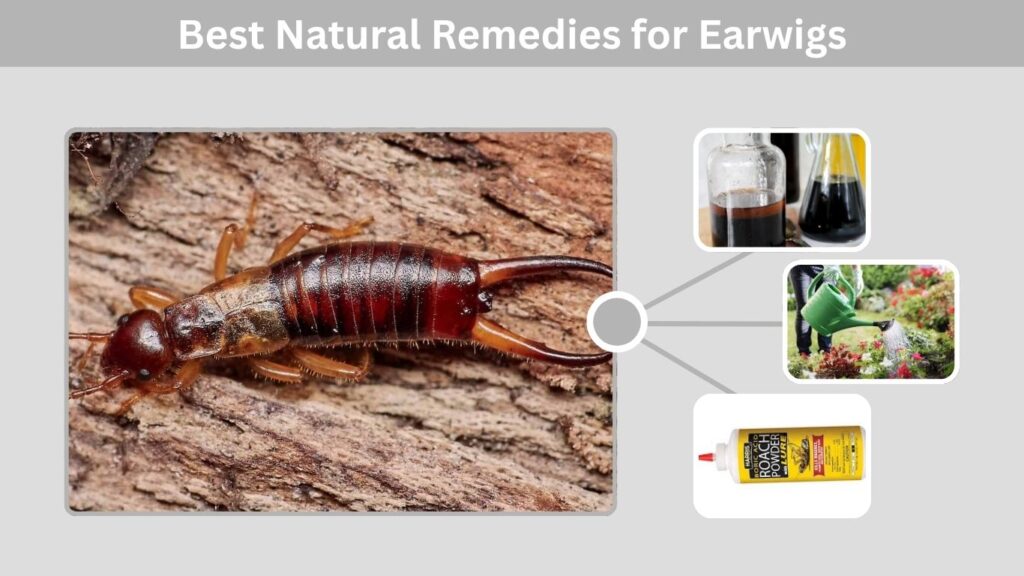
Natural solutions are often enough to control moderate earwig problems indoors and outdoors. These remedies are affordable, easy to apply, and safer for homes with children or pets. Most natural treatments focus on trapping earwigs, removing moisture, or creating barriers that prevent them from surviving around your home and garden.
Homemade Oil and Soy Sauce Traps
A simple oil trap is one of the most effective ways to catch earwigs naturally. The smell attracts them, and the oil prevents them from escaping.
- Mix soy sauce with vegetable oil
- Use a shallow container
- Place traps near infested areas
- Set traps at night
- Empty and refill regularly
Boric Acid for Earwig Control
Boric acid works well in dry indoor areas where earwigs frequently hide. It damages the insect’s body and eventually kills it after contact.
Apply a thin layer behind appliances, under sinks, and along baseboards. Avoid placing boric acid where pets or children may reach it. For best results, combine it with moisture control and regular cleaning.
Vinegar and Rubbing Alcohol Spray
A homemade spray made from vinegar and rubbing alcohol can kill earwigs on contact. It is useful for treating cracks, damp corners, and outdoor hiding spots.
Mix equal parts vinegar and rubbing alcohol in a spray bottle and apply directly to visible earwigs. Test the spray on plants first because some delicate leaves may become damaged.
How to Get Rid of Earwigs in the Garden
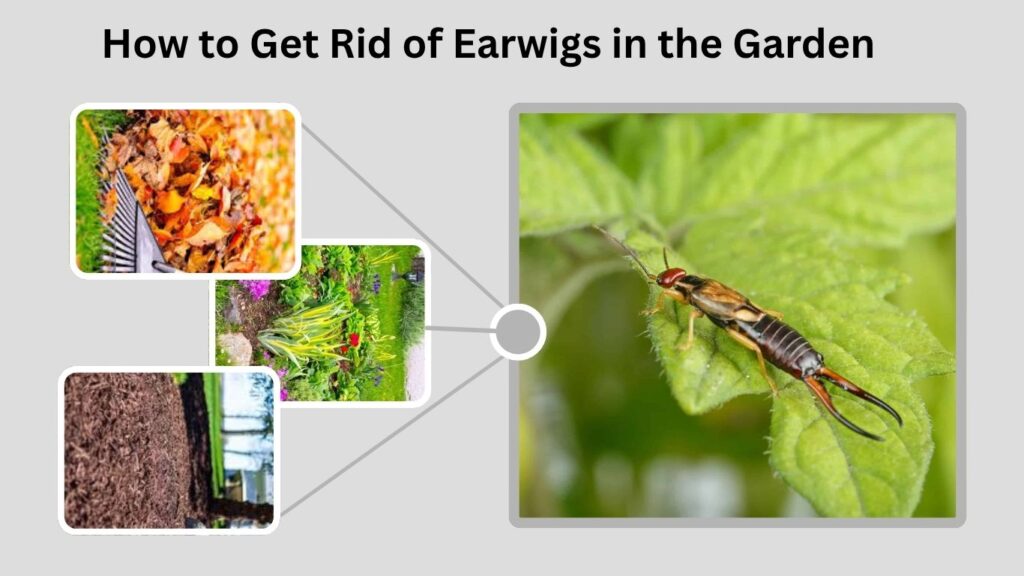
Gardens provide perfect hiding places for earwigs because of moist soil, mulch, and dense vegetation. While earwigs sometimes help by eating small pests, large populations can damage flowers, vegetables, and seedlings. Combining cleanup, traps, and natural predators can reduce earwig numbers without harming beneficial insects.
Remove Garden Debris and Mulch
Earwigs hide under damp materials during the daytime. Cleaning the garden reduces shelter and forces them into exposed areas.
- Remove piles of wet leaves
- Avoid excessive mulch layers
- Clear old wood and boards
- Trim dense vegetation
- Keep flower beds dry when possible
Protect Plants From Earwig Damage
Earwigs feed on soft leaves, flowers, and young plants at night. Damage usually appears as irregular holes or chewed edges.
Cover vulnerable plants with garden fabric or use barriers around seedlings. Checking plants at night with a flashlight can help identify severe infestations before major damage occurs.
Use Earwig Traps in Garden Beds
Garden traps help reduce earwig populations without chemicals.
- Roll damp newspaper into tubes
- Place cardboard pieces near plants
- Set shallow oil traps in soil
- Empty traps every morning
- Replace wet traps frequently
Encourage Natural Predators
Birds, frogs, and some beneficial insects naturally feed on earwigs. Creating a balanced garden ecosystem can reduce infestations over time.
Avoid overusing insecticides because they may kill helpful predators along with pests. Bird feeders and small water sources may attract natural earwig hunters to the garden.
How to Get Rid of Earwigs in Plants and Flower Pots
Potted plants and planters often attract earwigs because the soil stays moist and shaded. Earwigs hide under pots, inside drainage holes, and beneath leaves during the day. Regular plant care and proper watering habits can greatly reduce infestations in indoor and outdoor containers.
Inspect Potted Plants Carefully
Checking plants regularly helps catch earwig problems early before they spread to other pots.
- Look under plant containers
- Check drainage trays
- Inspect leaves for holes
- Search soil at night
- Remove hidden debris nearby
Reduce Overwatering
Wet soil attracts earwigs and creates ideal hiding conditions. Allowing the top layer of soil to dry slightly between watering can make planters less appealing.
Good drainage is equally important. Pots without proper drainage holes may stay damp for too long and encourage earwig activity around roots and leaves.
Replace Infested Potting Soil
Severe infestations may require replacing the soil completely. Earwigs sometimes hide deep inside potting mixes where traps cannot reach them.
Remove the plant carefully, clean the pot thoroughly, and refill it with fresh soil. Washing containers before reuse helps eliminate hidden eggs or insects.
Safe Treatments for Houseplants
Natural treatments are usually safest for indoor plants and flowers.
- Neem oil spray
- Mild soapy water
- Diatomaceous earth around pots
- Sticky traps near containers
- Hand removal at night
How to Get Rid of Earwigs in Specific Areas
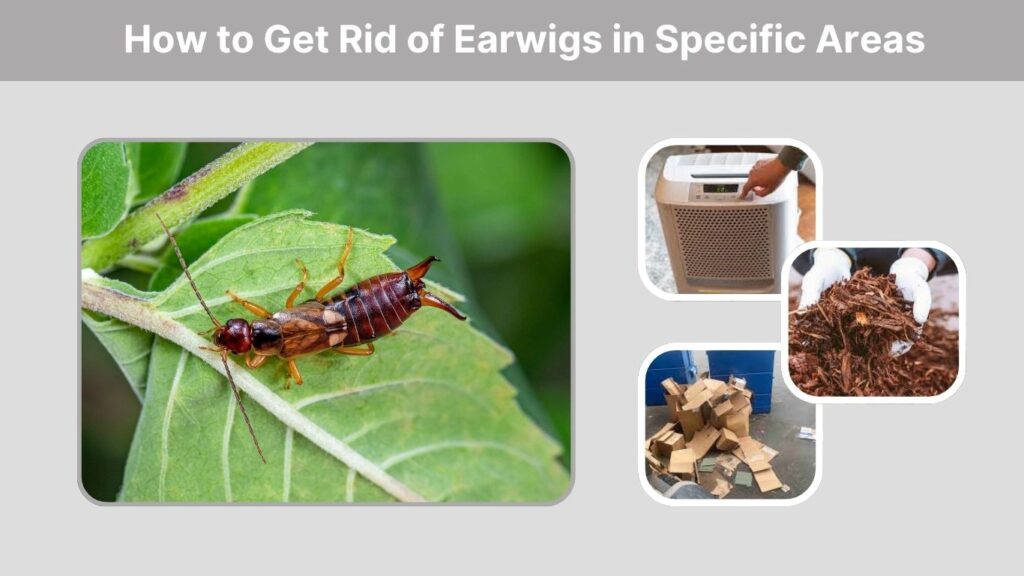
Earwigs often gather in damp, dark parts of the home where moisture levels remain high. Bathrooms, basements, kitchens, and drains are common problem areas. Treating these locations individually can provide faster and more effective results than using one general method throughout the home.
How to Get Rid of Earwigs in Bathroom
Bathrooms attract earwigs because they provide moisture, warmth, and dark hiding places. Fixing leaks and improving ventilation are the most important steps for control.
Use exhaust fans after showers and keep floors dry whenever possible. Cleaning drains regularly may also reduce moisture buildup that attracts insects.
How to Get Rid of Earwigs in Basement
Basements are common earwig hiding spots because they are cool and humid. Storage boxes, damp walls, and clutter create excellent shelter.
- Use a dehumidifier
- Seal foundation cracks
- Store items in plastic bins
- Keep floors dry
- Remove cardboard clutter
FAQs
What causes earwigs in the house?
Earwigs usually enter homes searching for moisture, shelter, and food. Damp basements, bathrooms, kitchens, and leaky areas are especially attractive to them. Cracks around windows, doors, and foundations also make it easy for earwigs to move indoors during rainy or hot weather.
What smell do earwigs hate?
Earwigs dislike strong scents such as peppermint oil, eucalyptus oil, vinegar, and citrus. These smells can help repel them from entry points and hiding spots. Natural sprays made with essential oils are often used as part of an eco-friendly earwig prevention routine.
How do I get rid of earwigs overnight?
You can reduce earwigs quickly by using oil traps, vacuuming visible insects, and applying diatomaceous earth around hiding places. Removing moisture and sealing entry points also helps stop new earwigs from entering the home overnight.
Are earwigs harmful to humans?
Earwigs are generally harmless to humans. They do not spread diseases and rarely pinch people. Although their pincers may look frightening, they are mostly used for defense and capturing small prey rather than harming humans.
What is the best natural earwig killer?
Diatomaceous earth is considered one of the best natural earwig killers because it dehydrates insects naturally. Oil traps, vinegar sprays, and neem oil are also effective natural treatments for controlling earwigs in homes and gardens.