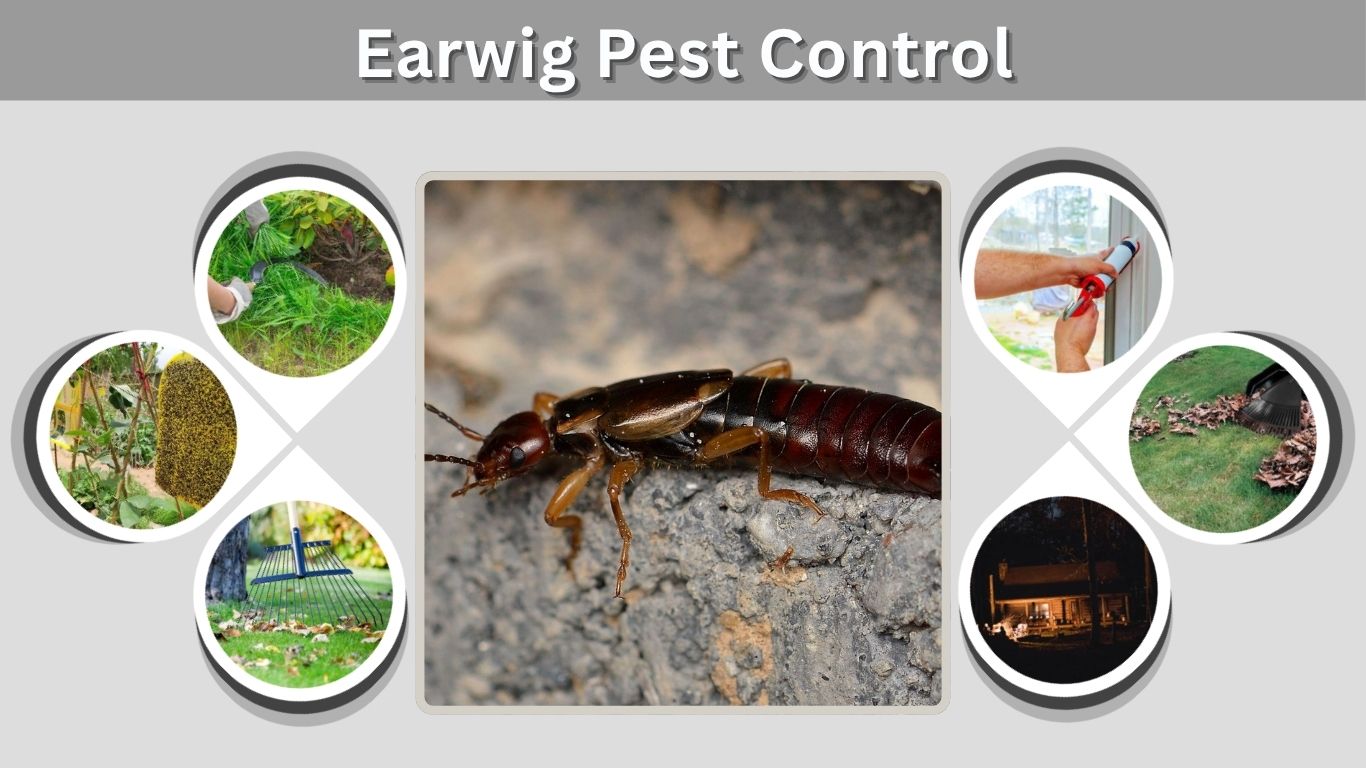
Earwigs are unsettling pests to find in your home, garden, bathroom, basement, or patio. Although they rarely harm people, they can become a nuisance when they gather in damp areas or damage tender plants. Effective earwig pest control starts with reducing moisture, sealing entry points, removing hiding spots, and using the right treatment method for the level of infestation.
What Are Earwigs?
Earwigs are small, narrow insects with forceps-like pincers at the end of their bodies. These pincers make them look more dangerous than they really are. Most earwigs prefer dark, damp, protected places and are most active at night.
They often live outdoors under mulch, leaves, stones, firewood, flowerpots, and garden debris. When outdoor conditions become too dry, hot, or crowded, they may move indoors through cracks, gaps, doors, windows, vents, or foundation openings.
Are Earwigs Dangerous?
Earwigs are not considered highly dangerous pests. They do not spread major diseases, and they are not known for damaging homes the way termites or carpenter ants can. Their pincers may pinch if handled, but they are not venomous.
The bigger problem is nuisance activity. Earwigs can appear in large numbers, crawl into kitchens and bathrooms, and feed on garden plants, flowers, seedlings, fruits, and decaying organic matter.
Why Earwigs Come Into Your Home
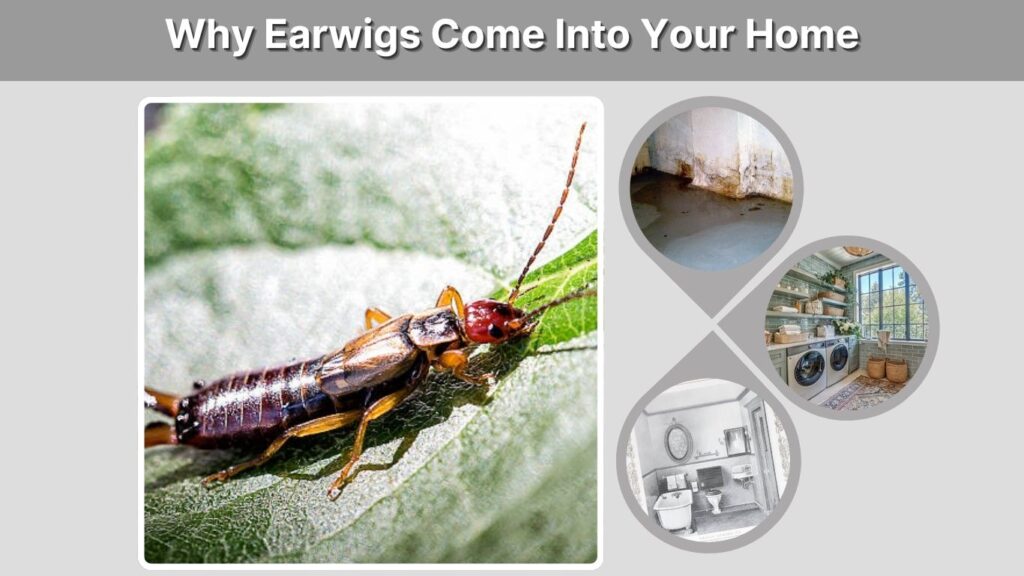
Earwigs enter homes when they find moisture, shelter, and easy access. If you keep seeing earwigs inside, there is usually a condition attracting them.
Common reasons include:
- Damp basements, bathrooms, kitchens, crawl spaces, or laundry rooms
- Leaky pipes, poor drainage, or high indoor humidity
- Mulch, leaves, weeds, or wood piles close to the foundation
- Cracks around windows, doors, siding, vents, and utility lines
- Outdoor lights that attract insects near entry points
- Gaps under garage doors or exterior doors
Earwigs usually do not want to live indoors long-term. However, if the home provides moisture and hiding places, they may continue appearing until the source is corrected.
Signs You Need Earwig Pest Control
A few earwigs here and there may not mean you have a serious problem. But repeated sightings can signal that conditions around your home are inviting them.
Look for these signs:
- Earwigs appearing in bathrooms, kitchens, basements, or laundry areas
- Multiple earwigs near doors, windows, patios, or garages
- Chewed leaves, flowers, seedlings, or soft fruits in the garden
- Earwigs hiding under planters, mulch, stones, or outdoor furniture
- More activity after rain, watering, or humid weather
If you notice both indoor sightings and outdoor breeding areas, you may need a combined indoor and outdoor pest control plan.
Best Earwig Pest Control Methods
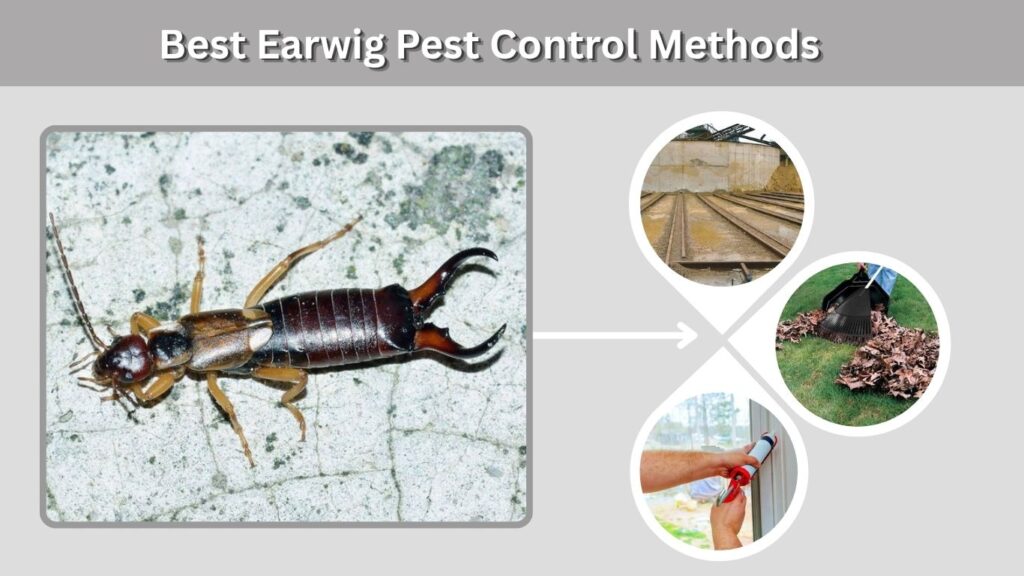
The best pest control for earwigs is not just spraying wherever you see them. Long-term control depends on removing the conditions that attract them, then applying treatment where needed.
| Control Method | Best For | How It Helps |
| Moisture reduction | Indoor and outdoor prevention | Makes the area less attractive to earwigs |
| Sealing entry points | Homes, garages, basements | Blocks earwigs from getting inside |
| Yard cleanup | Gardens, patios, foundations | Removes hiding and breeding places |
| Traps | Light to moderate activity | Captures earwigs without heavy chemical use |
| Professional treatment | Heavy or recurring infestations | Targets nesting and entry zones more thoroughly |
How to Get Rid of Earwigs Inside the House
Indoor earwig pest control should focus on moisture, exclusion, and direct removal. Since earwigs often enter from outside, indoor treatment alone may not solve the issue.
Remove Earwigs You See
Vacuuming is one of the simplest ways to remove earwigs indoors. Use a vacuum around baseboards, corners, bathrooms, laundry rooms, basements, and doorways. Empty the vacuum contents outside afterward.
You can also use sticky traps in areas where you often see activity. Place them along walls, near doors, under sinks, behind appliances, or in basement corners.
Reduce Indoor Moisture
Earwigs need moisture to survive. Reducing dampness can make your home much less attractive.
Useful steps include:
- Fix leaking pipes, faucets, and drains
- Use a dehumidifier in basements or crawl spaces
- Improve bathroom and kitchen ventilation
- Dry wet floors, mats, and laundry areas quickly
- Check under sinks and appliances for moisture buildup
If earwigs keep returning to the same room, moisture is often the main reason.
Seal Indoor Entry Points
Earwigs can squeeze through small openings. Check doors, windows, utility lines, vents, siding gaps, and foundation cracks.
Seal gaps with caulk, repair torn screens, install door sweeps, and weatherstrip exterior doors. Pay special attention to basement windows, garage doors, patio doors, and areas where pipes or cables enter the home.
Outdoor Earwig Pest Control
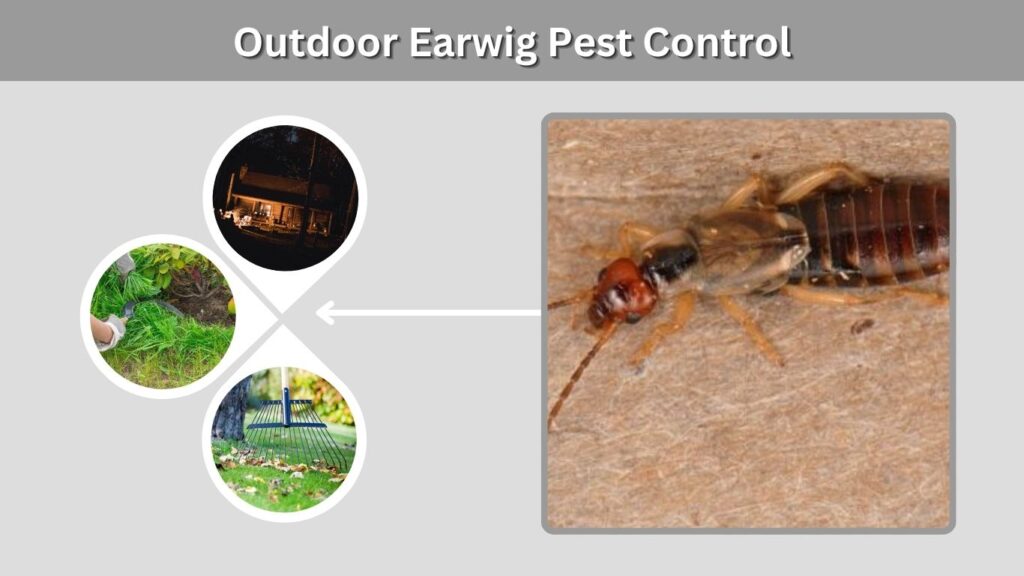
Outdoor control is usually the most important part of getting rid of earwigs. If the area around your home gives them food, moisture, and shelter, they will continue moving indoors.
Clean Up Hiding Places
Earwigs hide in dark, damp spaces during the day. Removing these areas can quickly reduce their numbers.
Focus on:
- Raking leaves away from the foundation
- Moving firewood away from the house
- Thinning heavy mulch near exterior walls
- Removing weeds, boards, stones, and garden debris
- Keeping flowerpots, planters, and outdoor furniture dry underneath
A clean, dry perimeter around the home makes it harder for earwigs to gather near entry points.
Improve Drainage Around the Home
Poor drainage can make earwig problems worse. Make sure water flows away from your foundation. Clean gutters, extend downspouts, and avoid overwatering garden beds next to the house.
If mulch stays constantly wet, replace part of it with gravel or reduce the mulch depth. Earwigs prefer moist organic material, so wet mulch can become a major hiding area.
Adjust Outdoor Lighting
Earwigs may gather near outdoor lights because lights attract other insects and create activity around entry points. Consider moving bright lights away from doors or switching to yellow-toned outdoor bulbs that are less attractive to insects.
Natural Pest Control for Earwigs
Many homeowners prefer natural pest control for earwigs, especially in gardens, kitchens, or homes with children and pets. Natural methods work best for light to moderate problems and should be paired with moisture control.
Oil Traps
A simple earwig trap can be made with a shallow container filled with vegetable oil and a small amount of soy sauce or fish oil. The smell attracts earwigs, and the oil traps them.
Place traps near garden beds, patios, mulch, or areas where you see activity. Keep them away from pets and children, and replace them regularly.
Rolled Newspaper or Cardboard Traps
Earwigs like tight, dark hiding spots. Roll up damp newspaper or cardboard and place it in the garden overnight. In the morning, collect the roll and dispose of the trapped earwigs outside.
This is a useful organic earwig pest control method for gardens and flower beds.
Diatomaceous Earth
Food-grade diatomaceous earth may help reduce earwig activity when applied in dry areas where they travel. It works best when dry, so it should be reapplied after rain or watering.
Avoid breathing in the dust, and follow the product label carefully. Do not overapply it in areas where beneficial insects are active.
Earwig Pest Control in the Garden
Earwigs can be both helpful and harmful in the garden. They feed on decaying plant material and some small insects, but they may also damage seedlings, flowers, herbs, leafy greens, and soft fruits.
How to Tell If Earwigs Are Damaging Plants
Earwig damage often appears as irregular holes in leaves, petals, or soft plant tissue. Because they feed at night, you may not see them during the day.
Check under pots, mulch, boards, and leaves early in the morning. You can also inspect plants at night with a flashlight to confirm whether earwigs are feeding.
Garden Control Tips
For garden pests, earwigs control should be careful and balanced. You do not always need to remove every earwig, but you should reduce large populations around vulnerable plants.
Try these steps:
- Keep mulch a few inches away from plant stems
- Avoid overwatering garden beds
- Use traps near damaged plants
- Remove fallen fruit, dead leaves, and garden debris
- Protect seedlings until they are strong enough to tolerate minor feeding
For organic gardening pest control, focus on habitat reduction and trapping before using stronger products.
Does Pest Control Get Rid of Earwigs?
Yes, professional pest control can get rid of earwigs, especially when the problem is heavy, recurring, or connected to outdoor conditions around the home. A pest control technician can inspect the property, identify moisture and entry issues, treat exterior hiding areas, and apply targeted products where earwigs are active.
However, treatment works best when paired with prevention. If moisture, mulch, cracks, and debris remain, earwigs may return after the treatment wears down.
When to Call Earwig Pest Control Services
You may need earwig pest control services if:
- You see earwigs indoors every day
- DIY methods are not reducing the problem
- Earwigs are damaging garden plants
- You find large numbers around doors, patios, or garages
- You have moisture problems, crawl space issues, or heavy mulch near the home
Searching for “earwig pest control near me” can help you find a local provider, but choose a company that explains both treatment and prevention. A quick spray without correcting the source may only provide temporary relief.
DIY Earwig Pest Control Products
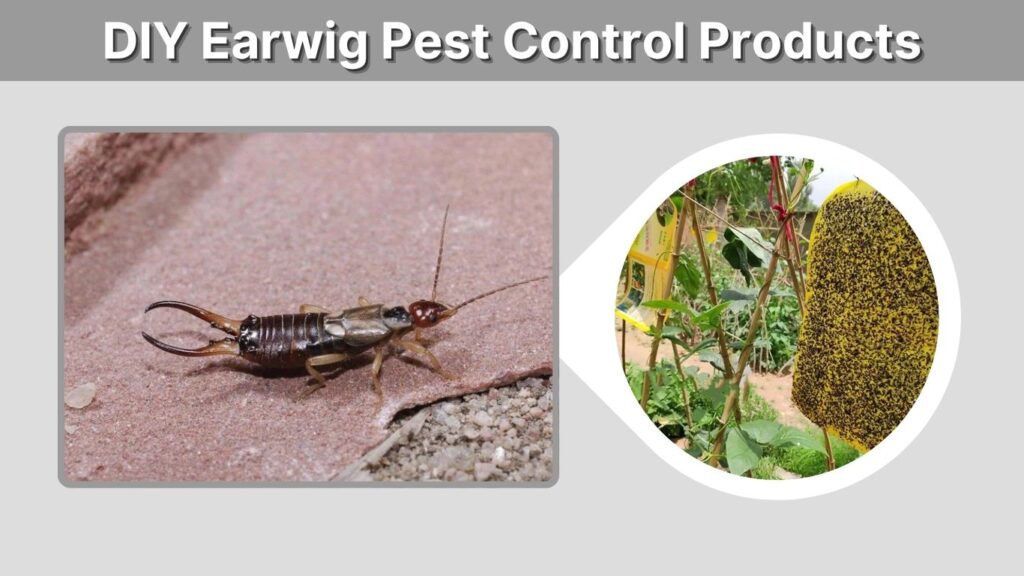
DIY products can help with small earwig problems, but they should be used carefully. Always read the label before applying any pest control product indoors or outdoors.
Common options include perimeter sprays, insect dusts, granular treatments, baits, and sticky traps. For indoor use, traps and exclusion are usually better first steps. For outdoor use, perimeter treatment may help reduce the number of earwigs entering the home.
Avoid spraying randomly inside living spaces. Earwigs often come from outside, so treating cracks, thresholds, foundation edges, and exterior hiding spots is usually more effective.
How to Prevent Earwigs From Coming Back
Prevention is the most important part of long-term earwig pest control. Once you reduce the current activity, keep your home and yard less inviting.
Use these prevention steps:
- Keep mulch, leaves, and wood piles away from the foundation
- Fix leaks and reduce indoor humidity
- Seal cracks, gaps, screens, and door sweeps
- Clean gutters and improve drainage
- Avoid overwatering plants near the house
- Store firewood off the ground and away from walls
- Remove clutter from garages, sheds, patios, and crawl spaces
- Check potted plants before bringing them indoors
The goal is to make your home dry, sealed, and less attractive to earwigs.
FAQs
What is the best pest control for earwigs?
The best pest control for earwigs combines moisture reduction, yard cleanup, sealing entry points, trapping, and targeted treatment. Spraying alone may not solve the problem if damp mulch, cracks, leaks, or debris remain around the home. For heavy infestations, professional pest control is often the most reliable option.
Does pest control kill earwigs?
Yes, pest control treatments can kill earwigs when applied correctly. Professional products may target exterior walls, foundations, cracks, mulch areas, and common hiding spots. However, killing visible earwigs is only part of the solution. Long-term control also requires removing moisture and shelter.
Why do I keep finding earwigs in my house?
You may keep finding earwigs because they are entering from damp outdoor areas or because your home has moisture problems. Bathrooms, basements, kitchens, laundry rooms, and crawl spaces are common places to see them. Sealing entry points and reducing humidity can help stop repeat sightings.
Are natural earwig control methods effective?
Natural earwig control methods can be effective for light or moderate problems. Oil traps, rolled newspaper traps, garden cleanup, and moisture reduction can reduce activity without heavy pesticide use. For severe infestations, natural methods may need to be combined with professional treatment.
When should I call an exterminator for earwigs?
Call an exterminator if you see earwigs daily, find large numbers indoors, notice garden damage, or cannot control them with DIY methods. Professional earwig pest control services can identify where they are hiding, how they are entering, and which treatment will work best for your property.