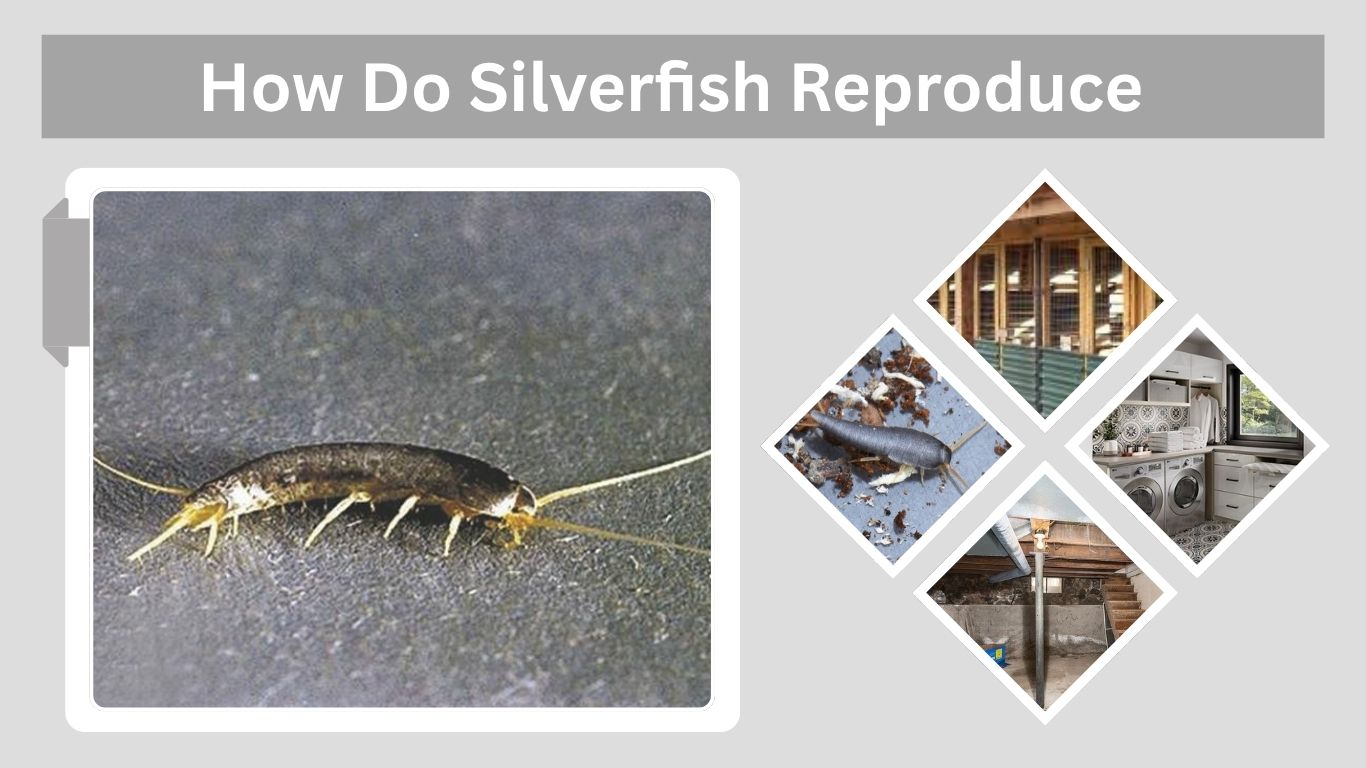
Silverfish are common household pests known for their silvery bodies, quick movement, and ability to hide in dark humid areas. Although they are small and quiet, silverfish can reproduce steadily indoors and create infestations that are difficult to control. Their eggs are tiny and often hidden deep inside cracks, storage spaces, and damp corners of homes.
Understanding how silverfish reproduce helps homeowners recognize infestations early and prevent larger pest problems. This guide explains silverfish mating, egg development, life cycle stages, reproduction speed, and the environmental conditions that help these insects survive indoors.
What Are Silverfish?
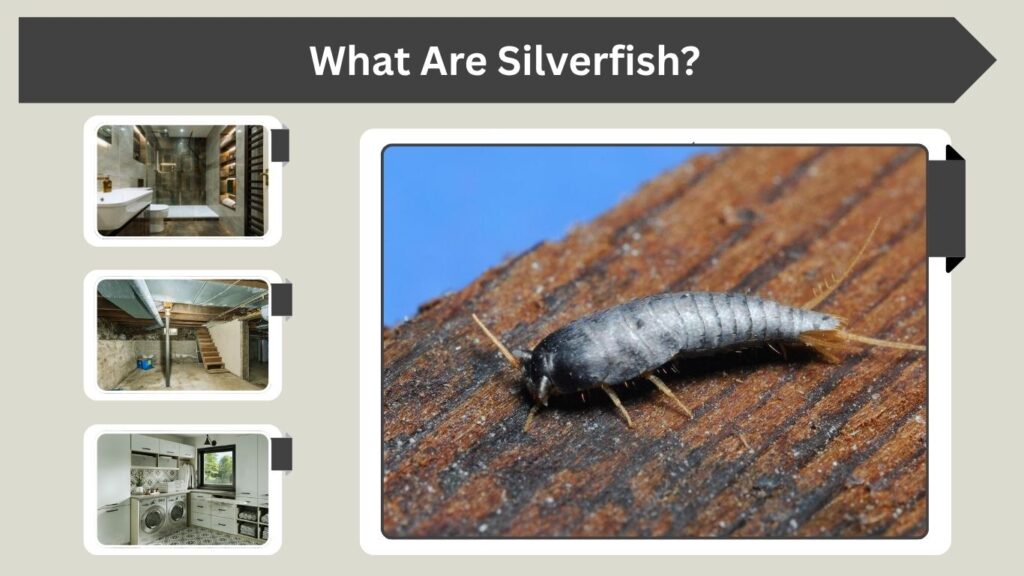
Silverfish are ancient wingless insects that thrive in moist and dark environments. They are nocturnal pests that feed on paper, glue, fabric, and starchy materials commonly found inside homes. Their secretive behavior allows them to survive unnoticed for long periods.
Silverfish Identification
Silverfish have flat, teardrop-shaped bodies covered in silvery scales. They also have long antennae and three tail-like bristles extending from the rear of the body.
Where Silverfish Live
- Bathrooms
- Basements
- Kitchens
- Laundry rooms
- Storage spaces
Why Silverfish Enter Homes
Silverfish enter homes searching for moisture, shelter, and food. Damp areas with paper products and clutter provide ideal conditions for survival and reproduction.
Common Signs of Silverfish
Homeowners may notice damaged books, yellow stains, shed skins, or quick-moving insects appearing at night when lights are switched on suddenly.
How Do Silverfish Reproduce?
Silverfish reproduce through an unusual mating process compared to many common household insects. Instead of direct mating, the male leaves a packet of sperm that the female later collects for fertilization.
Silverfish Mating Process
The male silverfish performs a courtship movement before depositing a spermatophore. This small sperm packet remains on a surface until the female collects it.
How Fertilization Happens
- Male leaves a spermatophore
- Female picks up the sperm packet
- Eggs become fertilized internally
- Reproduction occurs without direct contact
Where Silverfish Lay Eggs
Female silverfish place eggs inside cracks, wall gaps, under flooring, and other hidden damp areas where the eggs stay protected.
How Many Eggs Do Silverfish Lay?
Silverfish lay small groups of eggs repeatedly during their lifespan. Over time, these hidden eggs may lead to larger infestations indoors.
Silverfish Egg Stage
Silverfish eggs are tiny and difficult to detect. Warm temperatures and high humidity improve egg survival and increase hatching success inside homes.
What Silverfish Eggs Look Like
- Small white or cream-colored eggs
- Oval-shaped appearance
- Very tiny size
- Hidden in dark locations
Egg Development Time
Eggs may hatch within several weeks depending on indoor temperature and humidity conditions. Warm environments usually speed up development.
Best Conditions for Egg Survival
Silverfish eggs survive best in humid areas with stable temperatures, darkness, and protection from disturbance.
Why Eggs Are Hard to Find
Eggs are often hidden deep inside cracks, storage boxes, and wall spaces, making infestations difficult to detect early.
Silverfish Life Cycle
Silverfish develop through simple life stages that include egg, juvenile, and adult forms. Unlike many insects, they continue shedding their outer skin throughout life.
Juvenile Silverfish Stage
Young silverfish look similar to adults but are smaller and lighter in color. They begin searching for food shortly after hatching.
Molting and Development
- Silverfish shed their exoskeleton repeatedly
- Molting continues throughout adulthood
- Growth depends on humidity and food
- Shed skins are common infestation signs
Time Needed to Reach Adulthood
Development speed varies depending on environmental conditions. Warm humid homes allow silverfish to mature more quickly.
Adult Silverfish Lifespan
Silverfish may survive for several years indoors when food, shelter, and moisture remain available. Their long lifespan allows infestations to continue for long periods.
How Fast Do Silverfish Reproduce?
Silverfish reproduce steadily rather than extremely quickly, but hidden populations may grow continuously in favorable indoor conditions. Warm homes often support year-round activity and breeding.
How Quickly Silverfish Multiply
- Eggs hatch under humid conditions
- Reproduction continues throughout the year
- Hidden populations grow unnoticed
- Warm indoor temperatures increase activity
How Often Do Silverfish Reproduce?
Silverfish may reproduce multiple times during adulthood as long as moisture, food, and shelter remain available indoors.
Conditions That Increase Reproduction
High humidity, clutter, warm temperatures, and available starch-based foods all improve silverfish survival and breeding success.
Can One Silverfish Cause an Infestation?
A single silverfish alone usually cannot create an infestation, but several hidden insects reproducing together may slowly establish a larger indoor population.
Factors That Affect Silverfish Reproduction
Several environmental factors influence how successfully silverfish survive and reproduce indoors. Moisture, warmth, shelter, and food sources all play important roles in population growth and infestation size.
Moisture and Humidity
Silverfish depend heavily on humid conditions because dry air can damage their bodies and reduce egg survival. Bathrooms and basements are especially attractive because they often stay damp.
Temperature Preferences
- Warm indoor temperatures improve survival
- Cold environments slow development
- Heated homes allow year-round activity
- Stable temperatures support egg growth
Food Sources
Silverfish feed on starches and organic materials commonly found inside homes. Paper products, glue, fabric, and food crumbs all help support their survival.
Hiding Places and Shelter
Cracks in walls, cardboard boxes, storage bins, and cluttered spaces provide safe locations where silverfish can reproduce without disturbance.
Signs of a Silverfish Infestation
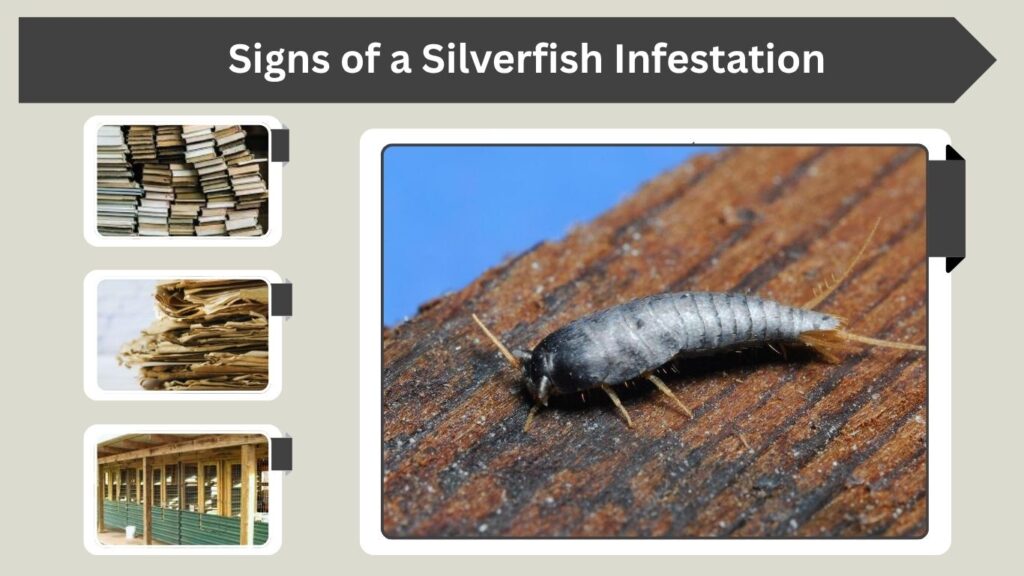
Silverfish infestations often remain hidden because the insects are nocturnal and avoid bright light. Recognizing early warning signs can help prevent larger pest populations.
Damage to Books and Paper
Silverfish chew irregular holes in paper products, wallpaper, magazines, and cardboard because they feed on starch-based materials.
Yellow Stains and Shed Skins
- Small yellow marks on paper
- Shed skins near hiding areas
- Tiny scales on surfaces
- Damage in storage spaces
Silverfish Seen at Night
Many homeowners notice silverfish suddenly running across sinks, walls, or floors after turning on lights during nighttime hours.
Increased Activity in Humid Rooms
Bathrooms, laundry rooms, kitchens, and damp basements commonly show the highest silverfish activity because moisture improves reproduction.
Why Silverfish Are Hard to Eliminate
Silverfish are resilient insects that can survive indoors for years if conditions remain favorable. Their hidden lifestyle and slow steady reproduction make infestations difficult to control completely.
Fast Reproduction and Hiding
Silverfish place eggs deep inside cracks and hidden spaces where regular cleaning and treatments may not easily reach them.
Ability to Survive Without Food
- Can survive long periods with little food
- Feed on many household materials
- Adapt well to indoor environments
- Remain hidden most of the time
Resistance to Dry Conditions
Although they prefer humidity, silverfish can tolerate short dry periods by hiding in protected locations until moisture returns.
Long Lifespan and Molting
Silverfish continue molting throughout adulthood, unlike many insects. Their long lifespan allows infestations to remain active for years.
How to Stop Silverfish From Reproducing
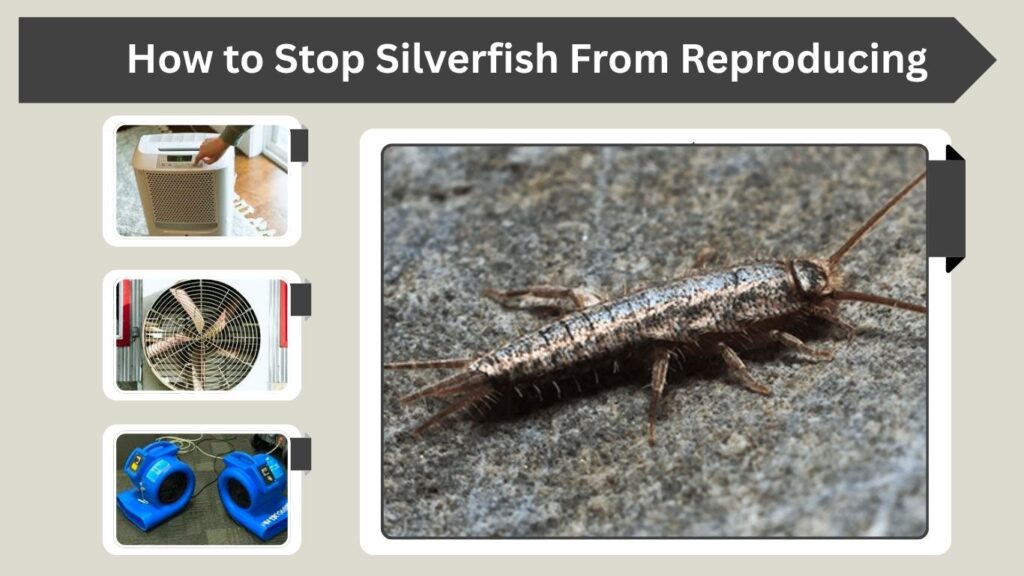
Reducing moisture and eliminating hiding places are the most effective ways to slow silverfish reproduction and reduce infestations inside homes.
Reduce Humidity Levels
- Use dehumidifiers
- Improve air circulation
- Repair leaking pipes
- Dry wet areas quickly
Remove Food Sources
Proper storage of books, paper, fabrics, and dry foods helps reduce the materials silverfish need for feeding and survival.
Seal Cracks and Gaps
Small wall openings and floor gaps provide shelter for eggs and adults. Sealing these areas reduces hiding places and breeding sites.
Use Traps and Pest Control
Sticky traps, insecticides, and professional pest treatments may help control large infestations more effectively.
Natural Ways to Control Silverfish
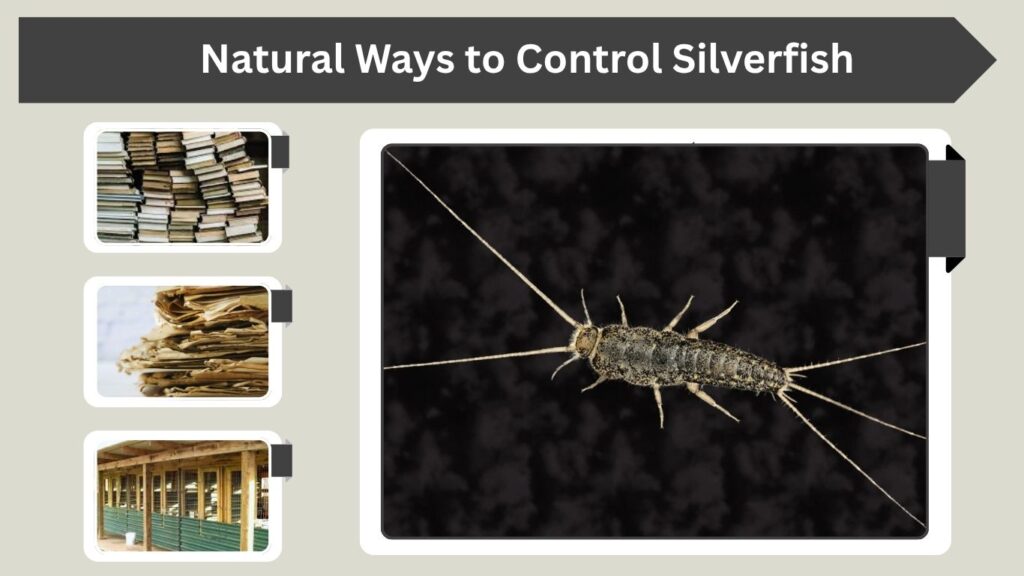
Many homeowners prefer natural control methods because they are safer around children and pets. Regular cleaning and moisture control are especially important.
Cedar and Essential Oils
Certain natural scents, including cedar and citrus oils, may discourage silverfish from entering storage areas and closets.
Diatomaceous Earth
- Damages the insect’s outer body
- Works in dry hidden spaces
- Common natural pest treatment
- Applied near cracks and corners
Proper Cleaning Habits
Frequent vacuuming removes eggs, food particles, shed skins, and hiding debris that help silverfish survive indoors.
Dry Storage Areas
Keeping closets, boxes, and storage rooms dry reduces humidity and limits suitable breeding conditions for silverfish.
FAQs
How long does it take for silverfish eggs to hatch?
Silverfish eggs usually hatch within a few weeks, but the exact time depends on humidity, temperature, and environmental conditions inside the home.
Do silverfish reproduce all year indoors?
Yes, silverfish may reproduce throughout the year in warm indoor environments where moisture and food sources remain available.
Can silverfish survive without moisture?
Silverfish can tolerate short dry periods, but they need humid conditions for long-term survival and successful reproduction.
Why do silverfish hide during the day?
Silverfish are nocturnal insects that avoid light and predators. They stay hidden in dark cracks and damp spaces during daylight hours.
What attracts silverfish the most?
Silverfish are strongly attracted to moisture, warm temperatures, paper products, glue, fabric, and cluttered storage areas.