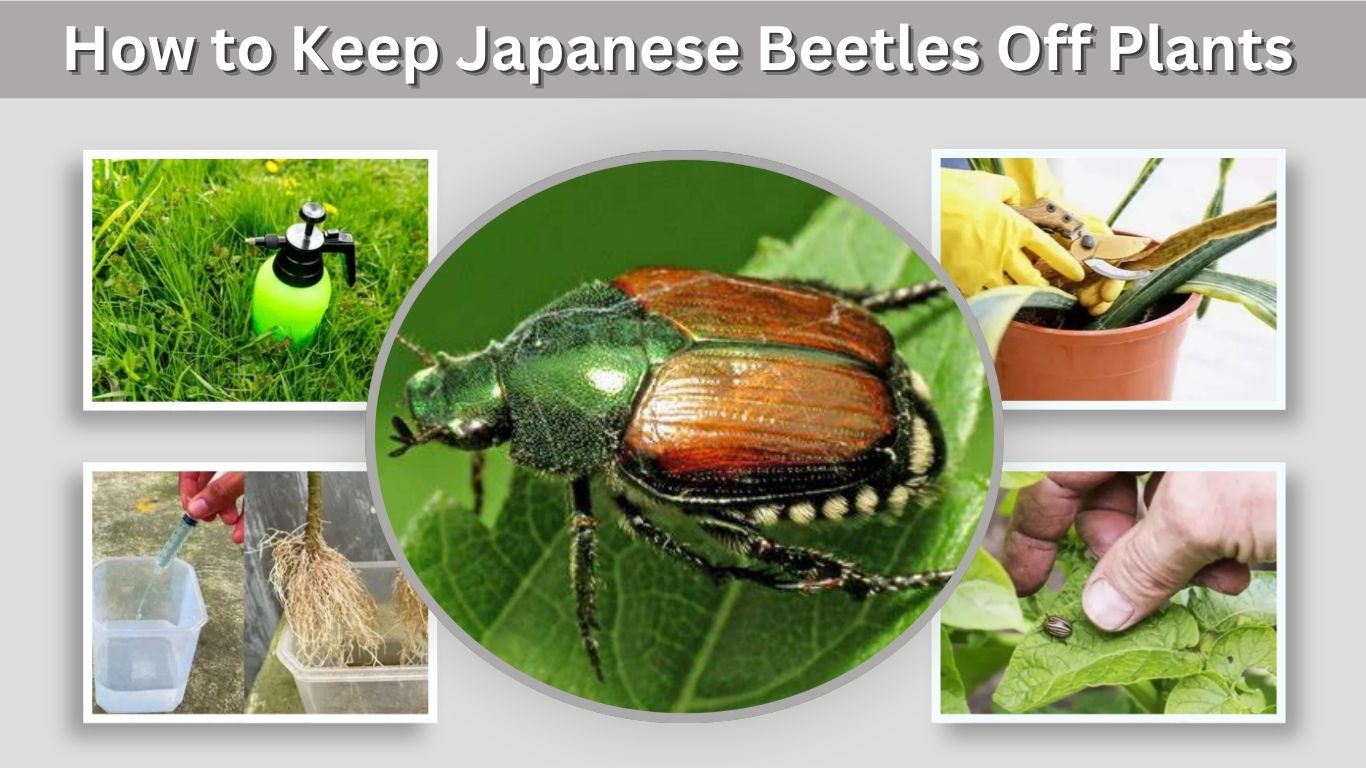
Japanese beetles can quickly turn healthy leaves into lace-like skeletons, especially on roses, grapes, beans, fruit trees, and many ornamentals. The best way to keep Japanese beetles off plants is to combine early monitoring, hand removal, protective covers, safer sprays, and smart plant choices. A single method may help for a few days, but a complete plan gives better, longer-lasting protection.
What Japanese Beetles Do to Plants
Japanese beetles are shiny green and copper-colored insects that feed in groups. They chew the soft tissue between leaf veins, leaving a thin, net-like pattern called skeletonizing. They may also damage flowers, soft fruits, and young foliage. While mature plants often survive light feeding, heavy infestations can weaken plants and reduce fruit or flower production.
Common Signs of Japanese Beetle Damage
Look closely at the upper leaves first because adult beetles often feed in sunny, exposed areas. Damage may appear suddenly during warm summer days.
- Leaves look lacy, brown, or skeletonized.
- Beetles gather in groups on roses, grapes, beans, raspberries, basil, or fruit trees.
- Flower petals look chewed or ragged.
- Soft fruits show shallow feeding marks.
- Damaged leaves turn brown and dry.
- Beetles are most active during warm, sunny parts of the day.
Small numbers are easier to manage. Once beetles gather and feed, damaged plants can attract more beetles, so early action is important.
How to Keep Japanese Beetles Off Plants
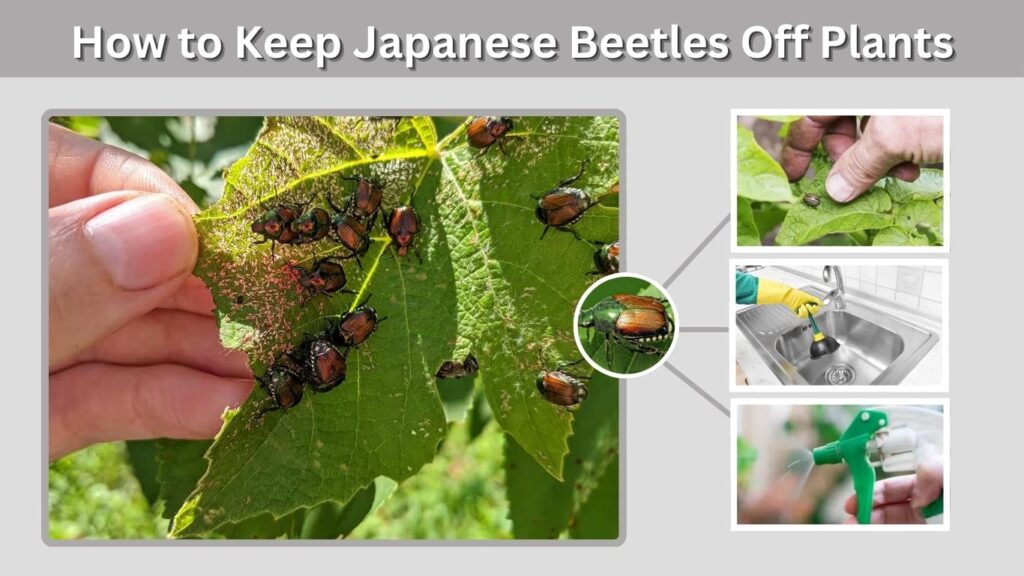
A good control plan starts before the beetles become a large problem. You do not need to spray everything in the garden. Focus on the plants they attack most and protect those plants during peak beetle season.
Remove Beetles by Hand
Hand-picking is one of the simplest ways to reduce damage on small gardens, roses, vegetables, and berry plants. Japanese beetles are slower in the early morning or evening, so they are easier to knock into a container.
Fill a small bucket with water and a few drops of dish soap. Hold it under the beetles and tap the leaf or branch. The beetles will often drop straight into the soapy water. Repeat daily during heavy activity.
This method works best when you start as soon as you see the first beetles. It is especially useful for vegetables, herbs, and flowering plants where you want to avoid strong insecticides.
Use Row Covers or Plant Netting
Physical barriers can protect valuable plants before beetles arrive. Lightweight row covers, insect netting, or garden fabric can keep beetles away from vegetables, young fruit plants, and vulnerable ornamentals.
Use covers before heavy beetle feeding begins. Secure the edges so beetles cannot crawl underneath. Remove covers when plants need pollination, especially cucumbers, squash, melons, and other flowering vegetables.
For berries and small trees, fine mesh netting can reduce feeding damage. Make sure the net does not rest tightly on the leaves, or beetles may still feed through the fabric.
Spray Neem Oil Carefully
Neem oil may help reduce feeding when used early and applied correctly. It works better as a feeding deterrent than as an instant beetle killer. Spray the upper and lower leaf surfaces and repeat according to the product label.
Use neem oil in the evening or early morning when bees and other pollinators are less active. Do not spray during extreme heat, drought stress, or full sun because it may burn leaves. Always test a small section of the plant first.
Neem oil is most helpful when beetle pressure is light to moderate. If beetles are covering the plant in large numbers, hand removal and covers may give faster results.
Try Insecticidal Soap for Direct Contact
Insecticidal soap can help when it directly contacts soft-bodied pests, but it is less reliable for adult Japanese beetles because their hard bodies make them harder to control. Still, some gardeners use soapy water as a knockdown method after hand-picking.
Do not rely on soap sprays alone for major infestations. Also avoid homemade mixtures that are too strong, because they may burn leaves. A labeled insecticidal soap is safer than guessing with random kitchen mixtures.
Plants That Repel or Deter Japanese Beetles
Some plants are less attractive to Japanese beetles. These plants may not create a perfect barrier, but they can help reduce damage when used as part of a mixed garden plan. Strong-smelling herbs and resistant ornamentals are often useful around vulnerable plants.
Companion Plants to Deter Japanese Beetles
Plant these near roses, beans, grapes, raspberries, and other favorite beetle targets. They may help confuse or discourage beetles, especially when combined with hand-picking and covers.
- Garlic
- Chives
- Catnip
- Tansy
- Rue
- Marigold
- Nasturtium
- Onion
- Leeks
- Lavender
- Mint in containers
- Thyme
Avoid letting aggressive herbs like mint spread freely in garden beds. Grow them in pots near vulnerable plants instead.
Japanese Beetle Resistant Plants
Resistant plants are a smart choice if your garden has beetle problems every year. They are not always completely untouched, but they usually suffer less damage than highly preferred plants.
| Plant Type | Better Choices for Beetle-Prone Gardens |
| Trees | Red maple, dogwood, magnolia, hemlock, arborvitae |
| Shrubs | Lilac, boxwood, forsythia, yew, holly |
| Flowers | Pansy, violet, poppy, begonia, columbine |
| Groundcovers | Pachysandra, sedum, moss rose |
| Herbs | Garlic, chives, thyme, rue, catnip |
Choosing resistant plants is one of the easiest long-term ways to reduce Japanese beetle problems. This is especially helpful for front yards, flower borders, and landscapes where repeated spraying is not ideal.
Plants Japanese Beetles Like Most
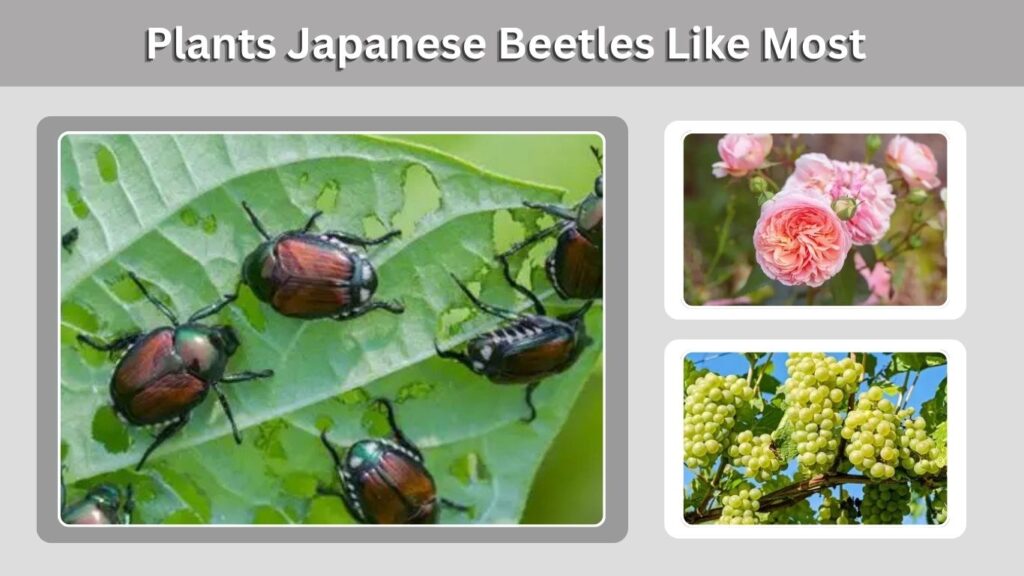
Japanese beetles feed on many plants, but they clearly prefer some more than others. If you grow these plants, check them often during beetle season. Early protection can prevent major damage.
Common Plants Japanese Beetles Eat
These plants often attract beetles and may need extra care:
- Roses
- Grapes
- Raspberry plants
- Blackberry plants
- Apple trees
- Cherry trees
- Plum trees
- Peach trees
- Linden trees
- Birch trees
- Elm trees
- Japanese maple
- Beans
- Basil
- Corn silk
- Soybeans
- Zinnias
- Hibiscus
- Canna
- Virginia creeper
You do not need to remove all favorite plants from your garden. Instead, place them where you can monitor them easily. If you plant roses, grapes, or raspberries, plan ahead with hand-picking, netting, and early treatment.
How to Protect Vegetable Plants from Japanese Beetles
Vegetables need careful treatment because anything sprayed on edible plants must be safe and labeled for that use. Japanese beetles may feed on beans, basil, corn silk, cucumber leaves, tomato plants, potato plants, peppers, and other vegetables, though they usually prefer some crops more than others.
Safe Steps for Vegetable Gardens
Start with non-chemical methods before using sprays. This keeps your garden safer for pollinators, beneficial insects, and harvests.
- Pick beetles off beans, basil, and other leafy crops daily.
- Use row covers before beetles arrive.
- Remove covers when crops need pollination.
- Prune badly damaged leaves if the plant is otherwise healthy.
- Avoid spraying open flowers where bees are visiting.
- Use only products labeled for edible crops.
- Wash vegetables well before eating.
- Follow the pre-harvest interval on any pesticide label.
For tomatoes and peppers, Japanese beetles may chew leaves, but they are often not the worst pest on these plants. If damage is light, remove beetles by hand and avoid unnecessary sprays.
Home Remedies for Japanese Beetles on Plants
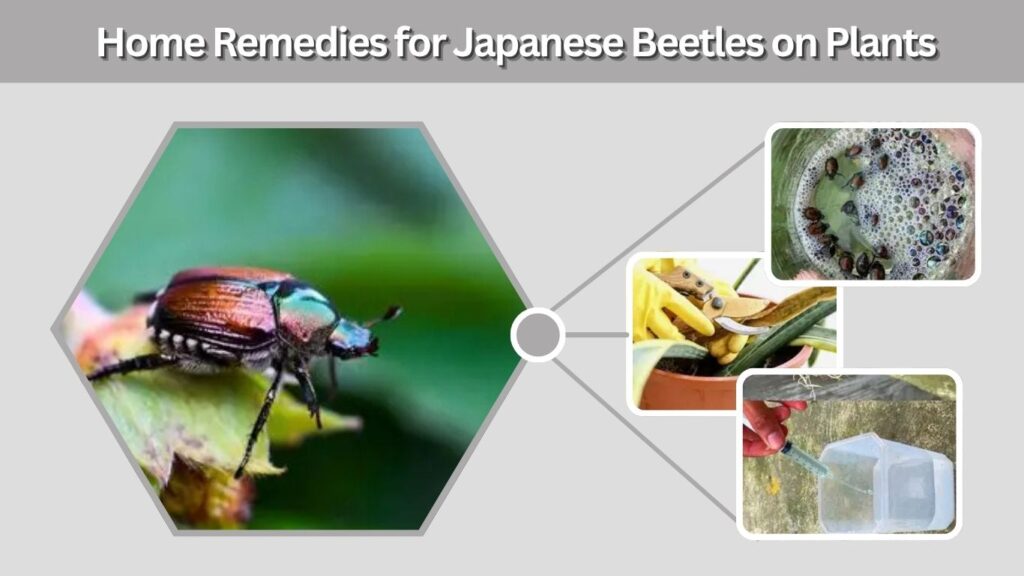
Many gardeners look for simple home remedies, but not all remedies are safe for plants. Strong dish soap, vinegar, essential oils, and homemade sprays can burn leaves, harm beneficial insects, or damage flowers. Use gentle methods first.
Better Home Methods to Try
The safest home remedies focus on removal and prevention instead of harsh mixtures.
- Drop beetles into soapy water.
- Shake branches gently over a bucket.
- Cover young plants with insect netting.
- Remove badly damaged leaves.
- Keep plants watered during dry weather.
- Grow less attractive plants near vulnerable plants.
- Check plants every morning or evening.
- Avoid over-fertilizing, which may encourage tender new growth.
A mild soapy bucket is useful for killing beetles after removal. However, spraying random soap mixtures directly on plants can cause leaf burn, especially during hot weather.
Should You Use Japanese Beetle Traps?
Japanese beetle traps use scents to attract beetles. They can catch many beetles, but they may also draw more beetles into the area. This can make plant damage worse if the trap is too close to the garden.
If you use traps, place them far away from the plants you want to protect. Do not hang them beside roses, grapes, beans, or fruit trees. Empty the traps often so dead beetles do not pile up and smell.
For small home gardens, hand-picking, covers, and resistant plants are usually more useful than traps placed near the plants.
How to Stop Japanese Beetles from Coming Back
Adult beetles are only part of the problem. Their larvae live in soil as white grubs and feed on grass roots. If your lawn has many grubs, you may see more adult beetles later. Managing the grub stage can reduce future pressure, but it will not stop every beetle because adults can fly in from nearby areas.
Long-Term Prevention Tips
Use a seasonal plan instead of reacting only after damage appears.
- Check plants daily when beetles first appear.
- Remove beetles before they gather in large groups.
- Keep vulnerable plants healthy with proper watering.
- Replace heavily damaged ornamentals with resistant plants.
- Avoid planting too many favorite host plants together.
- Treat lawn grubs only when there is a confirmed grub problem.
- Encourage birds and beneficial wildlife when possible.
- Clean up fallen fruit that may attract pests.
- Rotate vegetable crops each year.
- Use mulch and healthy soil practices to reduce plant stress.
Healthy plants tolerate some feeding better than stressed plants. Japanese beetle control is not about killing every beetle. It is about keeping damage low enough that plants continue growing well.
Best Time to Treat Japanese Beetles
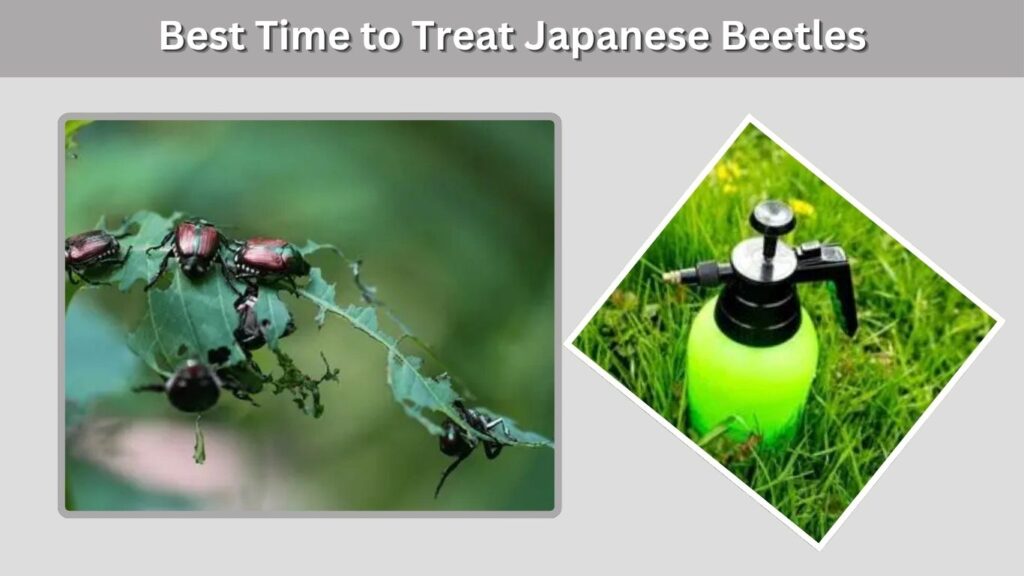
Timing matters. Japanese beetles are usually active in summer, and adults often feed for several weeks. Start checking plants before damage becomes severe. Early morning and evening are good times for hand-picking because beetles are less active.
For sprays, follow the product label and avoid spraying during high heat or when pollinators are active. For row covers, install them before beetles become a serious problem. For resistant planting, plan during the off-season when you are redesigning garden beds.
FAQs
What is the best way to keep Japanese beetles off plants?
The best method is a combination of hand-picking, row covers, resistant plants, and careful use of labeled sprays when needed. Hand-picking works well for small gardens, while netting protects vegetables and berries. Start early before beetles gather in large groups.
What plants repel Japanese beetles?
Garlic, chives, catnip, tansy, rue, marigold, onion, leeks, thyme, lavender, and nasturtium are often used as companion plants. They may help deter beetles, but they will not give complete protection alone. Use them with other control methods.
Does neem oil kill Japanese beetles on plants?
Neem oil may reduce feeding and affect beetles when used correctly, but it is not always a fast adult beetle killer. It works best when applied early and repeated according to the label. Spray carefully to avoid harming pollinators or burning leaves.
How do I get rid of Japanese beetles on vegetable plants?
For vegetables, start with hand-picking and row covers. Drop beetles into soapy water and protect plants before feeding becomes heavy. If you use a spray, choose one labeled for edible crops and follow harvest safety instructions carefully.
Will Japanese beetles kill my plants?
Japanese beetles usually do not kill healthy, established plants, but heavy feeding can weaken plants, damage flowers, reduce fruit quality, and slow growth. Young plants, stressed plants, and heavily defoliated plants need faster protection.