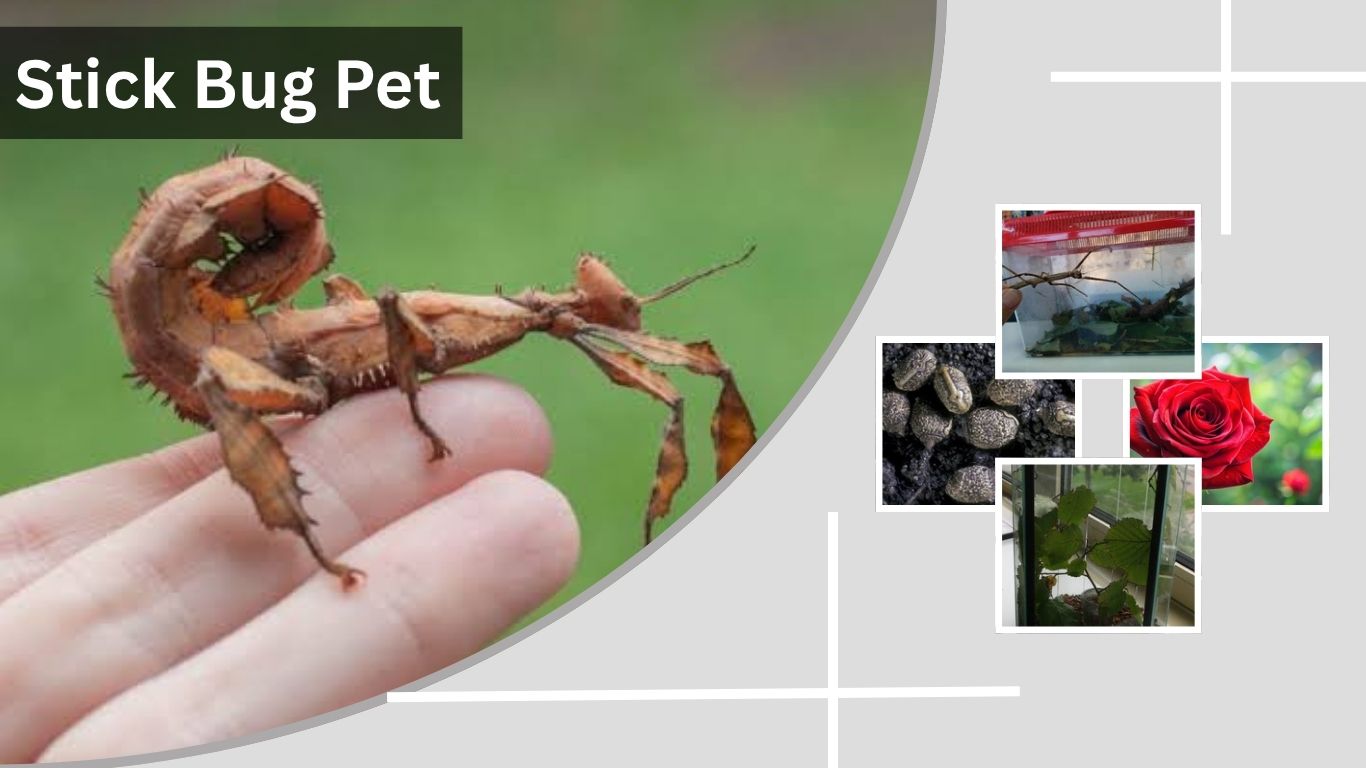
A stick bug pet, also called a stick insect or walking stick, can be an unusual but fascinating choice for people who enjoy observing insects. Stick insects are generally quiet, require relatively little space, and feed mainly on fresh leaves. However, their exact temperature, humidity, diet, and handling requirements vary considerably by species. They also need a tall enclosure because they hang vertically while molting. Before purchasing one, check local regulations, since some non-native plant-feeding stick insects are regulated and may require permits in places such as the United States.
Can You Have a Stick Bug as a Pet?
Yes, many species of stick insects are kept as pets around the world. Their order, Phasmatodea, contains insects famous for resembling twigs, leaves, bark, and other parts of plants.
Their relatively simple feeding needs and fascinating camouflage make them popular among invertebrate keepers.
However, not every species is appropriate or legal everywhere. This is particularly important when buying exotic stick insects online or moving them between states or countries.
Are Stick Bugs Good Pets?
Stick bugs can make good pets for someone who wants an animal mainly for observation.
Advantages include:
- Quiet behavior
- No barking or other noise
- Small housing requirements compared with many pets
- No need for live prey
- Fascinating camouflage
- Interesting molting behavior
- Relatively simple daily maintenance
- Many species can be kept in groups
They are less suitable for someone looking for an interactive pet. Stick insects are delicate, and excessive handling can injure their legs or body. Some species can also bite, pinch, or release defensive chemicals.
Stick Bug Pet Care
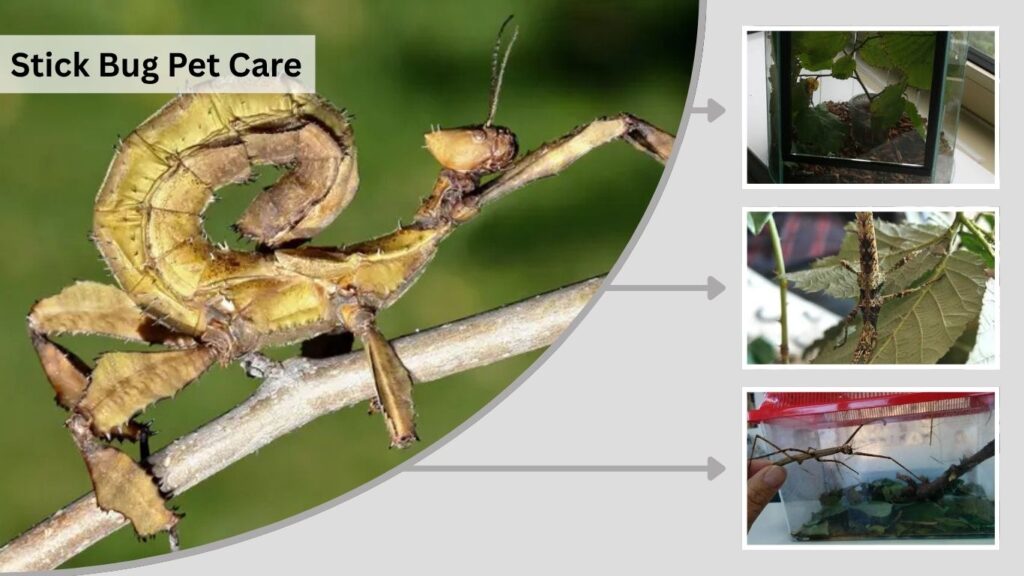
Successful stick bug pet care starts with knowing exactly which species you own. Conditions suitable for an Indian stick insect may not be suitable for a tropical species requiring much higher humidity.
| Care Requirement | General Guideline |
| Enclosure | Tall, secure, well-ventilated |
| Food | Fresh species-appropriate leaves |
| Water | Moisture from leaves/misting |
| Temperature | Species-dependent |
| Humidity | Species-dependent |
| Handling | Gentle and minimal |
| Activity | Often most active at night |
| Molting space | Essential |
| Difficulty | Beginner to intermediate |
The Australian Museum emphasizes that enclosure size, fresh food, cleanliness, and suitable environmental conditions are central to successfully keeping stick insects.
Stick Bug Pet Enclosure
Height is one of the most important features of a stick insect enclosure.
Stick insects molt by hanging from branches, leaves, or the enclosure ceiling and pulling themselves downward out of their old exoskeleton. Without enough vertical space, they can suffer unsuccessful molts and permanent deformities.
How Tall Should a Stick Insect Enclosure Be?
A commonly recommended rule is that the enclosure should be at least three times the adult insect’s body length in height.
For example, a stick insect expected to reach 4 inches long should ideally have at least around 12 inches of usable vertical space.
The enclosure should also contain:
- Strong climbing branches
- Fresh leafy food branches
- Good ventilation
- Secure mesh or lid
- Enough hanging space for molting
- Easy-to-clean floor material
The Australian Museum recommends substantially larger accommodation when keeping groups, giving an example of a 90-cm-high enclosure with a 60-cm-square base for up to 12 stick insects.
Temperature and Humidity
There is no universal temperature or humidity setting for every pet stick insect.
Some commonly kept species tolerate ordinary indoor temperatures, while tropical species require warmer and considerably more humid environments. The Amateur Entomologists’ Society notes that many tropical and subtropical species do well around 25°C, while the Indian stick insect can tolerate temperatures from about 17°C upward.
Humidity requirements also differ greatly by species.
Too little moisture can cause problems during molting, but a constantly wet enclosure with poor ventilation can encourage mold.
Misting
Lightly misting leaves and enclosure surfaces can provide drinking droplets and help maintain appropriate humidity.
How frequently you mist should depend on the species and enclosure ventilation rather than following one schedule for every stick insect.
What Do Pet Stick Bugs Eat?
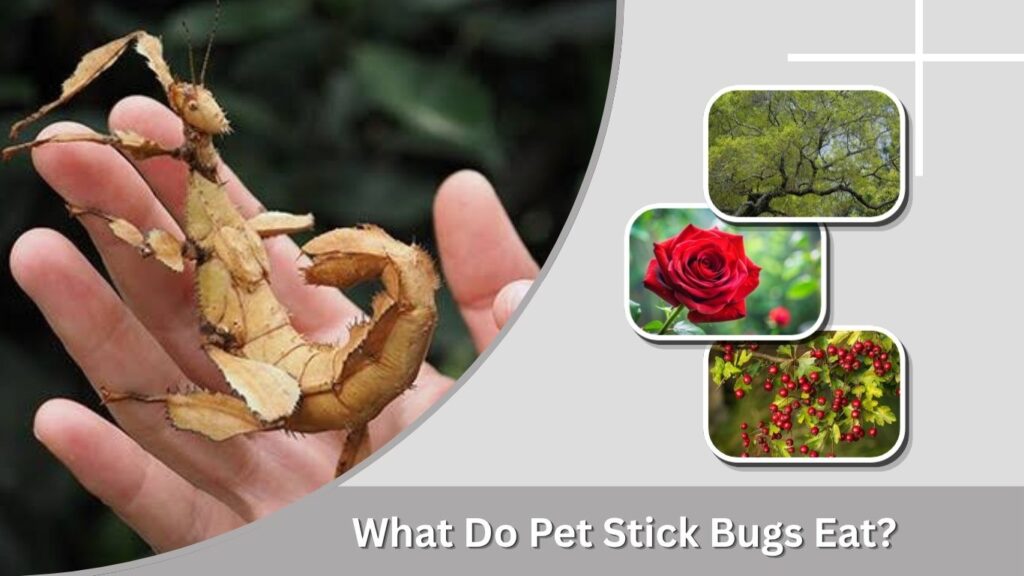
Stick insects are herbivores, meaning they eat plant material—primarily leaves. Smithsonian educational material describes walking sticks as plant-eating insects.
Popular food plants for captive species can include:
- Blackberry/bramble
- Raspberry
- Rose
- Oak
- Hawthorn
- Privet
- Eucalyptus
- Ivy
The correct plant depends heavily on the stick insect species.
Blackberry and Bramble Leaves
Bramble (Rubus) is among the most widely used foods for captive stick insects. Many commonly kept species accept blackberry leaves readily.
Keep food branches fresh and replace them before the leaves dry out.
If stems are placed in a container of water to preserve freshness, cover the opening securely so small insects cannot fall into the water and drown.
Avoid Pesticides
Never provide leaves that may have been sprayed with insecticides, herbicides, or other potentially harmful chemicals.
Leaves collected beside heavily trafficked roads or chemically treated gardens are also poor choices. The Amateur Entomologists’ Society recommends collecting food plants away from major roadways and washing plant material where appropriate.
Do Stick Bugs Drink Water?
Stick insects obtain considerable moisture from fresh leaves, but many species also drink droplets from wet foliage.
Light misting can therefore provide additional hydration.
Deep open water dishes generally are not necessary for most commonly kept species and can create a drowning risk for smaller insects or nymphs.
How Long Do Stick Bugs Live as Pets?
Stick bug lifespan varies enormously by species.
Some walking sticks may live around a year or less, while certain larger or slower-developing species can live longer. University of Kentucky notes that many temperate insects naturally complete their life cycle within a year, even when kept successfully in captivity.
Rather than assuming all stick insects have the same lifespan, research the specific species before purchasing.
Females of some species also live longer than males.
Stick Bug Molting
Young stick insects must molt repeatedly to grow because their rigid exoskeleton cannot expand with them.
During a molt, the insect hangs vertically and gradually pulls itself out of its old skin. A husbandry manual for the Goliath stick insect, for example, describes multiple juvenile molts before adulthood.
Signs a Stick Bug May Be Molting
You may notice:
- Reduced feeding
- Less movement
- Hanging upside down
- Remaining in one position for long periods
- A fuller-looking body before shedding
Avoid handling an insect during or immediately after molting. Its new exoskeleton is initially soft and vulnerable.
Can You Hold a Pet Stick Bug?
Some species tolerate gentle handling, but stick insects should be handled carefully and infrequently.
Never pull one from a branch by its legs. Allow the insect to walk onto your hand voluntarily.
Certain species can readily lose legs when handled roughly. Others have defensive adaptations that make handling less appropriate.
Can Stick Bugs Bite?
Most commonly kept species are not considered dangerous, but behavior differs between species.
Some larger stick insects can pinch with spiny legs or bite defensively. A few species can spray defensive chemicals.
The two-striped walkingstick (Anisomorpha buprestoides), for example, is known for releasing a defensive secretion.
Knowing the exact species is therefore important before handling any walking stick.
Stick Bug Eggs and Breeding
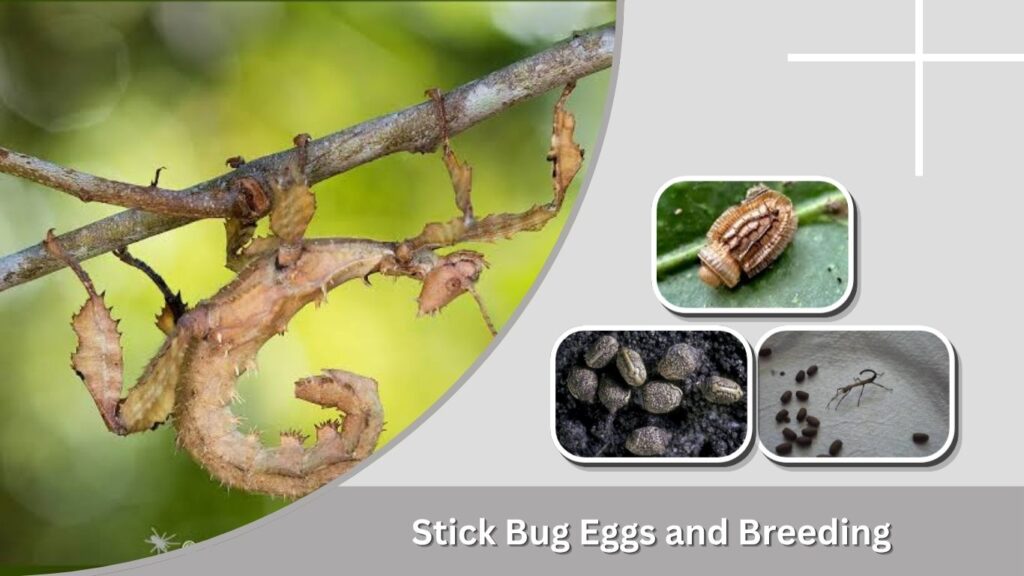
Stick insect reproduction can be surprisingly easy in captivity.
Females may:
- Drop eggs onto the enclosure floor
- Attach eggs to surfaces
- Place eggs in crevices
- Bury eggs in substrate
Some species can reproduce through parthenogenesis, meaning females can produce viable eggs without mating.
The Indian walking stick is one example. UC Integrated Pest Management notes that females can produce viable eggs without mating and that those eggs may easily be confused with droppings.
Egg incubation can take anywhere from a few months to a year or more depending on species.
Can You Keep a Wild Stick Bug as a Pet?
Keeping a locally found walking stick depends on wildlife regulations and the species involved.
There is also an ecological reason to be cautious about exotic species. Captive Indian walking sticks have established populations in parts of California after escaping or after people discarded eggs outdoors.
Never release a captive exotic stick insect or its eggs outdoors.
If you can no longer care for one, contact an appropriate breeder, exotic-invertebrate organization, or local regulatory authority rather than releasing it.
Are Stick Bugs Legal as Pets?
Legality depends on the species and location.
In the United States, USDA APHIS regulates many plant-feeding insects because escaped species could potentially harm crops, trees, or native plants. A PPQ 526 permit may be required for importing or moving regulated plant-feeding insects interstate.
USDA specifically advises prospective invertebrate-pet owners to check whether a permit is required before purchasing or moving an animal.
This makes checking regulations especially important when you see an exotic pet stick bug for sale online.
Stick Insects vs. Leaf Bugs as Pets
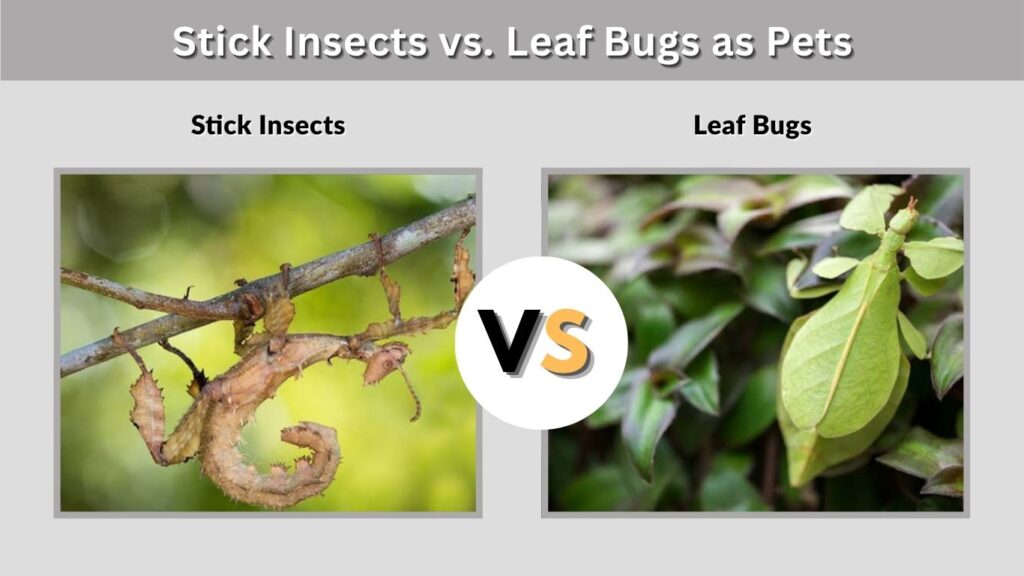
Leaf insects and stick insects belong to the same broader insect order, Phasmatodea, but their camouflage differs.
Stick insects generally resemble twigs or branches, while leaf insects have flattened bodies shaped and patterned like leaves.
Both can be maintained in captivity, but individual species have different food plants, humidity requirements, sizes, and difficulty levels.
FAQs
Are stick bugs good pets?
Yes, stick bugs can be excellent observation pets for people interested in insects. They are quiet, require no live prey, and usually need modest amounts of daily maintenance. However, they are delicate and require species-specific food, humidity, temperature, and sufficient enclosure height for safe molting.
What do pet stick bugs eat?
Pet stick insects eat fresh leaves. Depending on the species, suitable foods may include blackberry, raspberry, rose, oak, hawthorn, eucalyptus, or privet. Bramble is accepted by many commonly maintained species, but you should verify the correct food plant for your particular insect.
How long does a pet stick bug live?
Lifespan varies by species, sex, temperature, and developmental cycle. Some walking sticks complete their life cycle within about a year, while others can survive longer under suitable captive conditions. Research the specific species rather than relying on a universal stick-bug lifespan.
Can you handle a pet stick insect?
Yes, some species can be handled gently, but frequent handling is unnecessary. Allow the insect to walk onto your hand rather than pulling it from a branch. Certain species lose legs easily, while others may pinch, bite, or produce defensive secretions.
Can you buy a stick bug as a pet?
Yes, captive stick insects are available in the pet trade, but legal restrictions vary by species and location. In the United States, permits may be required for certain plant-feeding insects, particularly for importation or interstate movement. Check USDA and local requirements before purchasing.