
Earwigs usually come from damp outdoor areas around your home, such as mulch, leaf piles, garden beds, firewood, stones, and shaded soil. When conditions become too wet, dry, hot, or crowded outside, they may move indoors through cracks, door gaps, windows, vents, and foundation openings. Finding earwigs inside often means they found moisture, shelter, or easy access nearby.
Where Do Earwigs Come From?
Earwigs mostly come from outdoor environments. They live in dark, damp, protected places where they can hide during the day and search for food at night. Around homes, they are commonly found under mulch, stones, logs, boards, flowerpots, leaf litter, garden debris, and dense ground cover.
They do not usually start inside the home. In most cases, earwigs found indoors wandered in from nearby outdoor hiding spots. They may enter through small cracks, gaps under doors, damaged screens, basement openings, utility gaps, or spaces around windows.
Earwigs are nocturnal, which means they are most active at night. During the day, they hide in cool and moist places. This is why you may not notice them outside until they suddenly appear indoors, especially after rain, irrigation, or seasonal weather changes.
Do Earwigs Come From Inside the House?
Usually, no. Earwigs do not commonly build large indoor colonies like cockroaches, ants, or termites. They prefer outdoor conditions with moisture, decaying plant matter, and protected hiding places.
However, they may survive indoors for a short time if they find enough moisture. Bathrooms, basements, laundry rooms, kitchens, crawl spaces, garages, and damp storage areas can attract them. If you keep seeing earwigs inside, the source is often outside plus an indoor moisture or entry-point problem.
Where Do European Earwigs Come From?
The European earwig originally comes from Europe, but it is now found in many regions, including North America and other parts of the world. It has adapted well to gardens, landscapes, farms, and residential areas.
In everyday pest control terms, though, when people ask where European earwigs come from, the more useful answer is this: they usually come from damp outdoor hiding areas close to the home. Their original geographic history matters less than the local conditions attracting them to your property.
Why Do Earwigs Come Into the House?

Earwigs come into the house when outdoor conditions push them toward shelter or when indoor conditions attract them. They are not entering because they want to live with people. They are usually following moisture, darkness, and protection.
Common reasons earwigs enter homes include:
- Heavy rain or sudden flooding outside
- Dry weather that makes outdoor hiding spots less suitable
- Wet mulch or soil against the foundation
- Cracks around doors, windows, or siding
- Basement or crawl space moisture
- Bright outdoor lights near doors
- Overwatered garden beds near the house
- Firewood, leaves, or debris stacked too close to walls
Earwigs are thin and flat, so they can squeeze through small openings. Even a tiny gap under a door or around a window frame can be enough.
Why Do Earwigs Suddenly Appear?
Earwigs may seem to appear out of nowhere, but there is usually a trigger. A rainy period can drive them out of saturated soil and mulch. A dry spell can send them looking for cooler, damper shelter. Yard cleanup, construction, or moving flowerpots and firewood can also disturb hidden groups.
Seasonal activity is another reason. Earwigs are more noticeable during warmer months when they are active outdoors. If outdoor populations are high, more of them may accidentally wander inside.
Where Do Earwigs Hide Around the House?
Earwigs hide in places that are dark, tight, and moist. Outside, they prefer areas where they can avoid sunlight and stay protected from predators. Inside, they choose damp rooms and quiet corners.
| Area | Common Earwig Hiding Spots | Why They Hide There |
| Yard | Mulch, leaves, stones, logs, boards | Damp, dark, protected shelter |
| Garden | Flowerpots, dense plants, soil cracks | Moisture and food sources |
| Exterior walls | Foundation gaps, siding cracks, door thresholds | Easy access into the house |
| Basement | Floor cracks, boxes, damp corners | Cool and humid conditions |
| Bathroom | Under mats, behind toilets, near drains | Moisture and darkness |
| Kitchen | Under sinks, near pipes, behind appliances | Water sources and hiding space |
| Garage | Cardboard, tools, stored items, door gaps | Shelter and easy outdoor access |
Do Earwigs Come From Drains?
Earwigs may be found near drains, sinks, tubs, or showers, but that does not always mean they came from the drain. More often, they entered from outside and moved toward moisture.
Bathrooms are attractive because they provide damp surfaces and hiding spots. If you see earwigs near a drain, check for leaks, condensation, gaps around plumbing, and openings near baseboards. Cleaning and drying the area can help, but sealing entry points is just as important.
Do Earwigs Come From Walls?
Earwigs can hide in wall gaps, cracks, and voids, especially if there is moisture nearby. But they do not usually eat wood or tunnel through walls like termites. If earwigs keep appearing along baseboards or wall edges, they may be entering through foundation cracks, siding gaps, window frames, or utility openings.
Repeated sightings in one area often point to a nearby entry point. Look closely around pipes, vents, door frames, basement windows, and damaged weather stripping.
What Attracts Earwigs to Your Property?

Earwigs are attracted to moisture, shelter, and food. They feed on decaying organic matter, soft plant material, and some small insects. This makes gardens, landscaped beds, compost areas, and damp yard debris attractive to them.
Outdoor Things That Attract Earwigs
Your yard may attract earwigs if it has:
- Thick mulch close to the foundation
- Piles of leaves or grass clippings
- Firewood stacked near the house
- Overwatered garden beds
- Dense shrubs touching exterior walls
- Old boards, stones, or pots on damp soil
- Compost piles too close to entry points
- Poor drainage near the foundation
Mulch is one of the biggest attractants because it holds moisture and creates daytime hiding places. You do not have to remove all mulch, but you should keep it away from direct contact with siding, doors, and the foundation.
Indoor Things That Attract Earwigs
Inside the house, earwigs are mainly attracted to moisture and hiding places. Food is usually not the main issue.
Indoor attractants include:
- Leaky pipes
- Damp basements
- Wet bathmats or towels
- Humid crawl spaces
- Cluttered storage rooms
- Cardboard boxes on concrete floors
- Gaps around plumbing
- Poor bathroom ventilation
If your home is dry, sealed, and clean, earwigs are less likely to stay inside for long.
Are Earwigs a Sign of a Dirty House?
No, earwigs are not automatically a sign of a dirty house. Clean homes can still get earwigs if there are outdoor populations nearby or moisture issues around the structure.
That said, clutter and damp materials can make the problem worse. Cardboard, laundry piles, wet towels, and storage boxes can create hiding spaces. A clean home with a leaky pipe or foundation gap may still attract earwigs.
The real issue is usually moisture and access, not general cleanliness.
Are Earwigs Dangerous?
Earwigs look intimidating because of their pincers, but they are not considered highly dangerous to people. They may pinch if handled or trapped, but they do not seek out humans. The old myth that earwigs crawl into ears is not true as a normal behavior.
In gardens, earwigs can be both helpful and harmful. They may eat aphids and decaying material, but they can also damage seedlings, flowers, fruits, and soft plant tissue.
How Do Earwigs Get Into Your House?
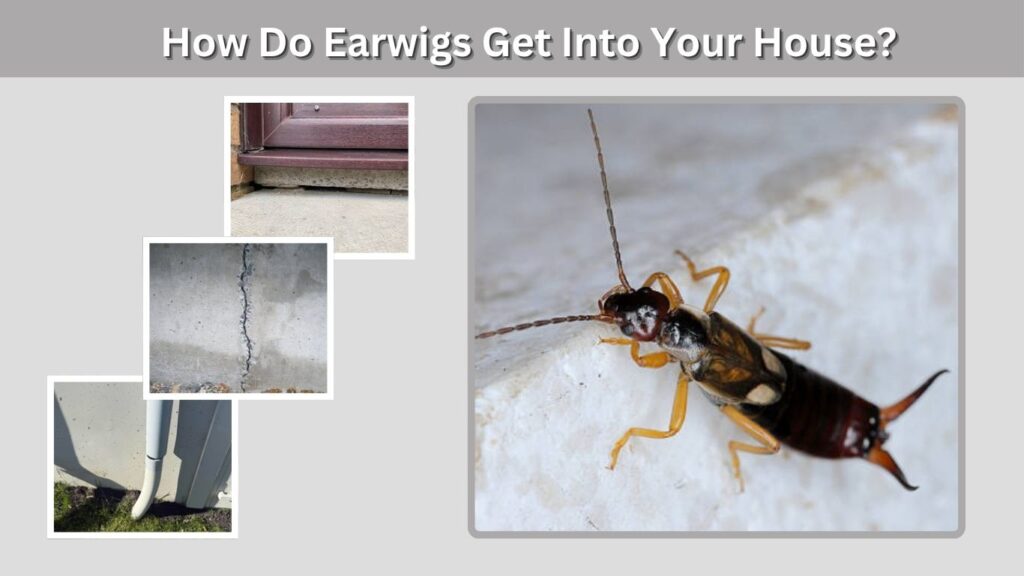
Earwigs enter through small gaps and openings. Because their bodies are narrow and flat, they do not need a large hole.
Common entry points include:
- Gaps under exterior doors
- Torn window screens
- Cracks in foundation walls
- Spaces around basement windows
- Open garage doors
- Gaps around utility pipes
- Vents without proper screens
- Loose siding or trim
- Gaps around air conditioning lines
At night, outdoor lights may draw insects closer to doors and windows. Earwigs may then slip inside when doors open or when they find small cracks nearby.
Why Are Earwigs in My Bedroom?
Earwigs in bedrooms usually wandered there by accident. Bedrooms are not their preferred indoor habitat unless there is moisture, clutter, or an entry point nearby.
Possible reasons include:
- A window gap or damaged screen
- Damp laundry on the floor
- A nearby bathroom or exterior wall
- Basement or crawl space access
- Outdoor mulch near the bedroom wall
- Earwigs carried in on items from outside
If you find one earwig in a bedroom, remove it and inspect nearby windows, baseboards, and exterior walls. If you keep finding them, look for moisture or a hidden entry point.
How to Stop Earwigs From Coming Inside
The best way to stop earwigs is to reduce moisture, remove outdoor hiding places, and seal entry points. Spraying visible insects may help temporarily, but it will not fix the source if your yard or foundation keeps attracting them.
Outdoor Prevention
Start outside because most earwigs come from outdoor areas.
Helpful steps include:
- Move mulch several inches away from the foundation
- Remove leaf piles, boards, stones, and garden debris
- Keep firewood off the ground and away from the house
- Trim shrubs and plants away from exterior walls
- Improve drainage around the foundation
- Avoid overwatering garden beds near doors and windows
- Clean gutters so water does not collect near walls
- Use yellow or less-attractive outdoor bulbs where possible
Outdoor prevention is especially important during warm, wet seasons when earwig activity increases.
Indoor Prevention
Inside, focus on drying and sealing.
Effective steps include:
- Fix leaky faucets, pipes, and drains
- Use a dehumidifier in basements or crawl spaces
- Seal gaps around doors, windows, and pipes
- Add door sweeps to exterior doors
- Repair torn screens
- Vacuum visible earwigs
- Store items in plastic bins instead of cardboard
- Keep bathroom floors and mats dry overnight
If you see earwigs indoors, vacuuming is often better than crushing them. Then empty the vacuum outside or into a sealed trash bag.
When Should You Worry About Earwigs?
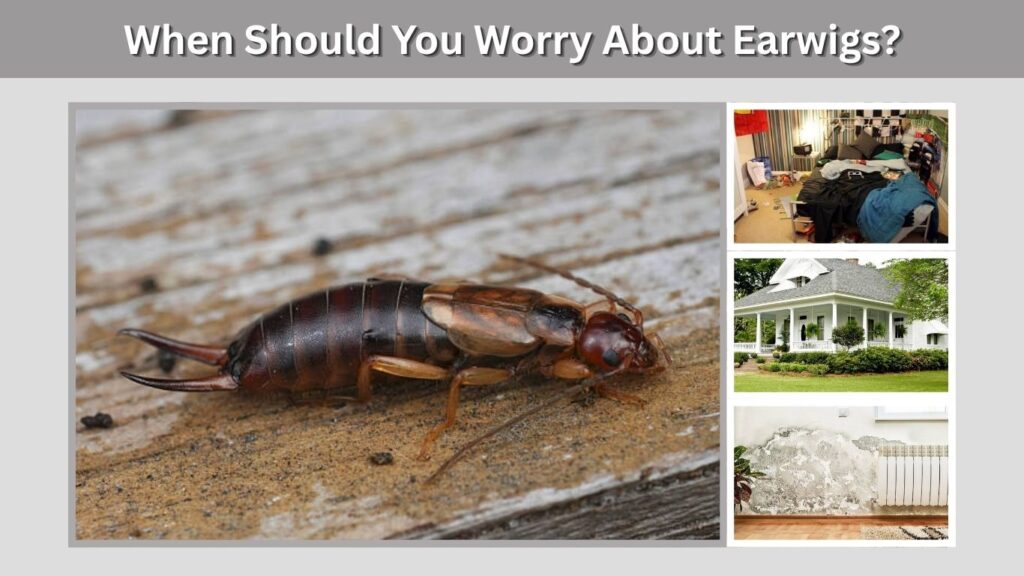
One or two earwigs indoors is usually not a major concern. They may have wandered in by accident. However, repeated sightings can mean there is a larger outdoor population, a moisture issue, or several entry points.
You should investigate further if:
- Earwigs appear every day
- You find them in several rooms
- They keep showing up near the same wall
- You see many outside near the foundation
- There is dampness, mold, or water damage
- You are unsure whether they are earwigs or another pest
If the insects are damaging plants, appearing in large numbers, or being mistaken for termites or cockroach nymphs, a pest control professional can help confirm the identification and source.
FAQs
Where do earwigs come from in the house?
Earwigs usually come from outside and enter through small gaps around doors, windows, foundations, vents, or utility lines. Once inside, they move toward damp, dark areas such as bathrooms, basements, laundry rooms, kitchens, and crawl spaces.
What attracts earwigs into your home?
Moisture is the biggest attractant. Leaky pipes, damp basements, wet bathmats, humid crawl spaces, and poor ventilation can attract earwigs. Outside, mulch, leaf piles, firewood, garden debris, and overwatered soil near the foundation can also bring them close to the house.
Do earwigs come from drains?
Earwigs may appear near drains because drains are damp, but they do not always come from inside the plumbing. They often enter from outside and then move toward sinks, tubs, showers, or floor drains because those areas provide moisture.
Where do earwigs hide during the day?
During the day, earwigs hide in dark, moist, protected places. Outdoors, they hide under mulch, stones, logs, leaves, flowerpots, and boards. Indoors, they may hide under mats, behind baseboards, near pipes, in basements, or inside cluttered storage areas.
How do I keep earwigs from coming back?
Reduce moisture, seal entry gaps, move mulch away from the foundation, remove yard debris, fix leaks, repair screens, and install door sweeps. Earwig control works best when you treat the source conditions instead of only removing the insects you see.