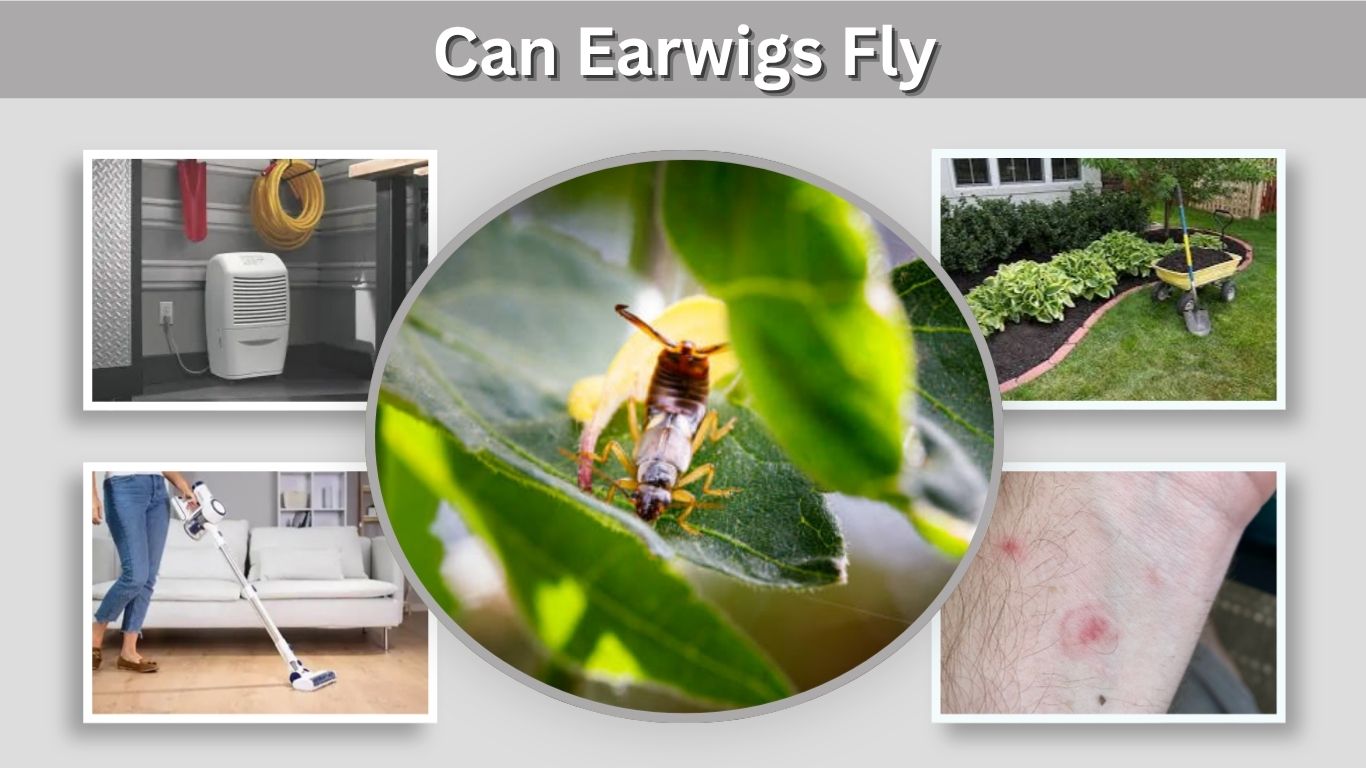
Earwigs are best known for their rear pincers, fast crawling, and habit of hiding in dark, damp places. But many people also wonder, can earwigs fly? The answer is a little surprising. Some earwigs have wings and are physically capable of flight, but they rarely use them. Most earwigs you see around homes, gardens, and basements prefer crawling over flying.
Can Earwigs Fly?
Yes, some earwigs can fly, but they do not fly often. Many adult earwigs have wings tucked under short, leathery wing covers. These wings are folded tightly and are not easy to see unless the insect opens them.
Even when earwigs have wings, they usually rely on crawling. They are built for moving through soil, mulch, leaf litter, cracks, and tight hiding places. This is why homeowners usually see earwigs running across floors, patios, walls, or garden beds instead of flying through the air.
Why Don’t Earwigs Fly Often?
Earwigs avoid flying because crawling suits their lifestyle better. They are nocturnal insects that spend much of the day hiding in moist, protected spaces. At night, they come out to search for food, shelter, and mates.
Flying exposes them to predators and dry air. Crawling keeps them close to cover. Because earwigs prefer damp and dark areas, walking through mulch, soil, and cracks is usually safer and more useful than taking flight.
Earwigs may also be awkward fliers compared with insects like flies, moths, or mosquitoes. Their wings are complex and folded tightly under the forewings, so opening and closing them takes effort.
Do All Earwigs Have Wings?
No, not all earwigs have wings. Some species have fully developed wings, some have reduced wings, and others are mostly flightless. Even among winged earwigs, flight is not always common.
This is one reason the keyword “can all earwigs fly” has a different answer from “can earwigs fly.” Earwigs as a group may include flying species, but not every earwig can fly.
Earwig Wings Explained
Earwigs can have two pairs of wings. The front pair is short and leathery, while the back pair is larger, thinner, and folded underneath. The rear wings are the ones used for flying.
Because the wings are folded so tightly, many people assume earwigs are wingless. When an earwig spreads its wings, they may look much larger than expected compared with the insect’s body.
| Question | Answer |
| Can earwigs fly? | Some can, but they rarely do. |
| Do all earwigs fly? | No, some are flightless or rarely fly. |
| Do European earwigs fly? | They have wings, but they usually do not fly. |
| Can earwigs fly in the house? | It is possible, but indoor flying is uncommon. |
| How do earwigs usually move? | They mostly crawl and hide in damp spaces. |
Can an Earwig Fly in Your House?
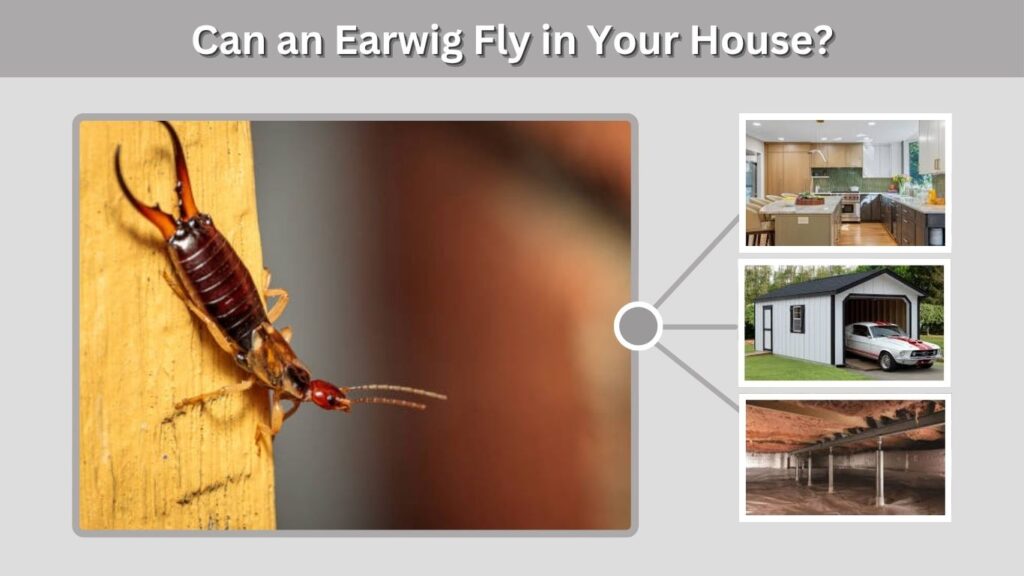
An earwig can fly in the house if it is a winged species and decides to use its wings, but this is not common. Most indoor earwig sightings involve crawling insects, not flying ones.
If you see earwigs inside, they probably entered through gaps, cracks, doors, windows, foundation openings, or items brought indoors from outside. They may also move inside when outdoor conditions become too wet, dry, hot, or crowded.
Why Earwigs Come Indoors
Earwigs do not usually enter homes because they want to fly around rooms. They come indoors because they are searching for moisture, darkness, and shelter.
Common indoor hiding spots include:
- Bathrooms
- Basements
- Laundry rooms
- Kitchens
- Garages
- Crawl spaces
- Under sinks
- Around door thresholds
- Near potted plants
If you see earwigs indoors often, moisture may be attracting them. Leaky pipes, damp basements, wet towels, or poor ventilation can make a home more inviting.
Can European Earwigs Fly?
European earwigs are one of the most common species found around homes and gardens. They have wings, but they usually do not fly. Most people who find European earwigs see them crawling in mulch, soil, flower beds, basements, patios, or around foundations.
This answers related searches like “can European earwigs fly,” “can British earwigs fly,” and “can earwigs fly UK.” The common European earwig may have wings, but flight is rare. In everyday situations, you should expect it to crawl rather than fly.
Are British Earwigs Different?
In the UK, the common earwig is also known for having folded wings, but it is rarely seen flying. British homeowners and gardeners are more likely to notice earwigs under pots, stones, logs, and garden debris than in the air.
This does not mean winged earwigs are impossible. It simply means flight is not their main way of moving.
How Far Can Earwigs Fly?
There is no simple distance that applies to all earwigs. Since many earwigs rarely fly, they are not known for long-distance flight. When they do fly, it is usually for short movement rather than long travel.
Earwigs are much more likely to spread by crawling, hiding in outdoor materials, or being carried accidentally in potted plants, firewood, boxes, garden supplies, or mulch.
How Earwigs Usually Spread
Earwigs can move around a property in several ways:
- Crawling from mulch or soil toward the foundation
- Hiding in firewood or garden items
- Entering through door gaps and cracks
- Moving under siding, stones, or pots
- Traveling with plants or outdoor containers
- Seeking moisture during dry weather
Because they are strong crawlers, earwigs do not need to fly far to become a nuisance around the home.
Why Do Earwigs Have Wings If They Rarely Fly?
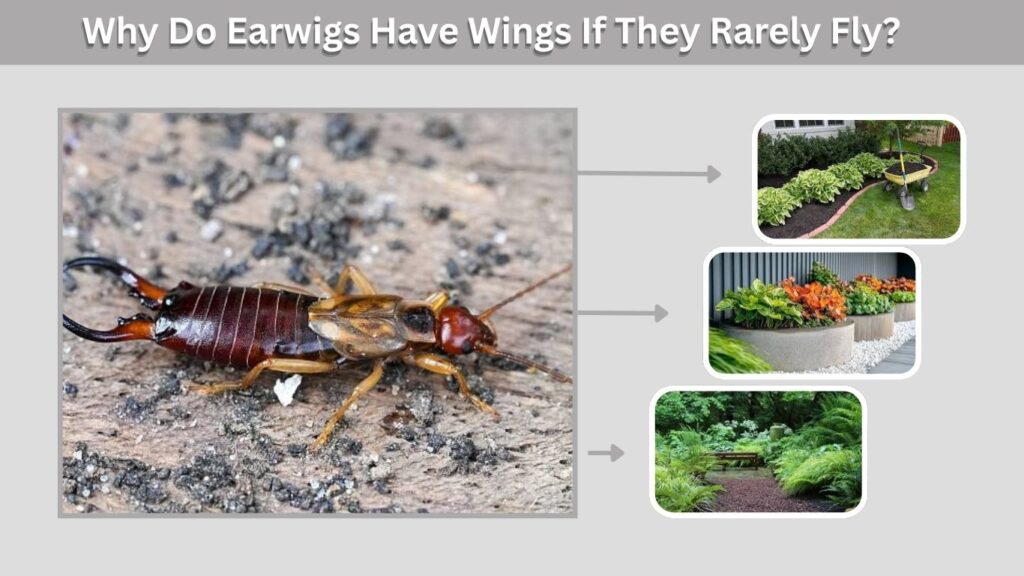
Earwig wings may help some species escape danger, disperse, or move to better conditions. However, wings are not always used in daily life. Many insects have body parts that are useful in specific situations but not used constantly.
For earwigs, hiding and crawling are usually more important than flying. Their flat bodies help them squeeze into cracks and damp spaces. Their pincers help with defense, mating, and handling food. Their wings may be present, but they are not the feature people notice most.
Earwigs Are Built for Tight Spaces
Earwigs have long, flattened bodies that help them move through narrow spaces. This body shape is useful under bark, stones, mulch, leaves, and garden debris.
That is why earwigs are often found in places such as:
- Under flowerpots
- Beneath landscape timbers
- Inside mulch beds
- Under loose bark
- Around compost piles
- In cracks near foundations
- Beneath outdoor furniture
- Inside damp garden soil
These habitats favor crawling insects, not frequent fliers.
Do Flying Earwigs Mean an Infestation?
Seeing one earwig with wings does not automatically mean you have an infestation. Earwigs can wander indoors by accident. However, seeing many earwigs repeatedly may point to a moisture or entry-point problem.
Earwigs often gather where there is damp organic matter. If the outside of your home has mulch, leaves, woodpiles, or clogged gutters near the foundation, earwigs may become more common.
Signs You May Have Too Many Earwigs
You may have a larger earwig problem if you notice:
- Earwigs indoors every night
- Several earwigs near bathrooms or basements
- Earwigs under rugs, sinks, or laundry areas
- Earwigs gathering near doors and windows
- Plant damage in the garden
- Many earwigs under mulch, pots, or stones
The goal should be to reduce moisture, remove hiding spots, and block entry points.
How To Keep Earwigs From Getting Inside

Since earwigs usually crawl indoors, prevention should focus on sealing entry points and making your home less attractive. You do not need to focus only on flying insects.
Indoor Prevention Tips
Use these steps to reduce earwigs inside your home:
- Fix leaking pipes and faucets
- Use a dehumidifier in damp basements
- Seal cracks around windows and doors
- Add or repair door sweeps
- Vacuum earwigs instead of picking them up
- Keep laundry areas dry
- Remove clutter from garages and storage rooms
- Check potted plants before bringing them indoors
If earwigs keep appearing in one room, inspect that area for moisture. Bathrooms, laundry rooms, and basements are common problem zones.
Outdoor Prevention Tips
Outdoor control is often more important than indoor treatment. Earwigs usually come from outside hiding places before moving indoors.
To reduce them around the home:
- Move mulch away from the foundation
- Remove leaf piles and plant debris
- Clean clogged gutters
- Store firewood away from the house
- Keep soil from staying too wet near walls
- Trim dense vegetation near siding
- Fix outdoor leaks
- Reduce unnecessary outdoor lighting near doors
These steps can also help reduce other pests that like damp spaces.
Can Venus Flytraps Eat Earwigs?
Yes, a Venus flytrap can eat an earwig if the earwig is small enough and triggers the trap properly. However, you should be careful about feeding earwigs to Venus flytraps on purpose.
Earwigs have hard bodies and pincers, which may make them harder for the plant to digest than softer insects. A large earwig may damage the trap or fail to digest properly. If you feed a Venus flytrap, it is usually better to offer small, soft-bodied insects that fit easily inside the trap.
Can I Feed Venus Flytrap Earwigs?
You can, but it is not the best choice. If the earwig is too large, the trap may turn black or die after struggling to digest it. Never feed a Venus flytrap insects that are bigger than the trap itself.
If your plant catches a small earwig naturally, it may digest it. But for manual feeding, safer options include small flies, small crickets, or other appropriately sized insects.
Are Flying Earwigs Dangerous?
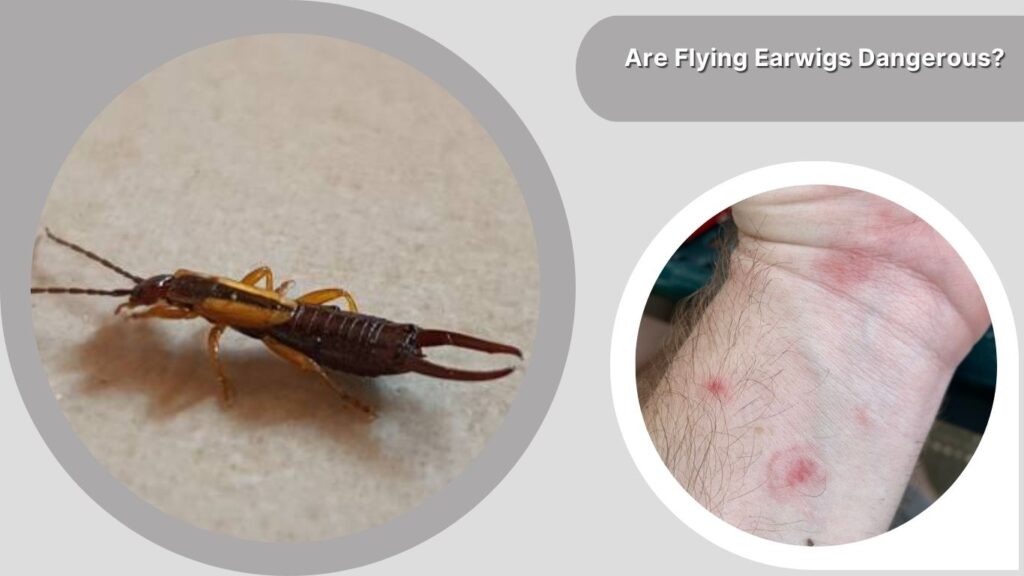
Flying earwigs are not dangerous. Their ability to fly does not make them harmful to people. Earwigs do not sting, are not venomous, and do not chase humans.
They may pinch if handled or trapped, but this is a defensive reaction. The pinch is usually mild and not medically serious for most people.
Earwigs are mainly nuisance pests indoors. Outdoors, they may be helpful by feeding on decaying plant material and small insects, though they can also damage tender plants when populations are high.
FAQs
Can earwig bugs fly?
Some earwig bugs can fly, but they rarely do. Many have hidden wings folded under short wing covers. Even when they have wings, earwigs usually crawl through damp, dark spaces instead of flying.
Can all earwigs fly?
No, all earwigs cannot fly. Some species have developed wings, some have reduced wings, and some are mostly flightless. Even winged species may rarely use their wings.
Can earwigs fly in the house?
Earwigs can fly indoors in rare cases, but most earwigs found in houses are crawling. They usually enter through cracks, gaps, doors, windows, or items brought in from outside.
How far can earwigs fly?
Earwigs are not known for long-distance flight. When winged earwigs do fly, it is usually limited. They spread more often by crawling or hiding in plants, mulch, firewood, and outdoor materials.
Can Venus flytraps eat earwigs?
A Venus flytrap can eat a small earwig, but earwigs are not the best food choice. Their hard bodies and pincers may make digestion difficult, especially if the insect is too large for the trap.