
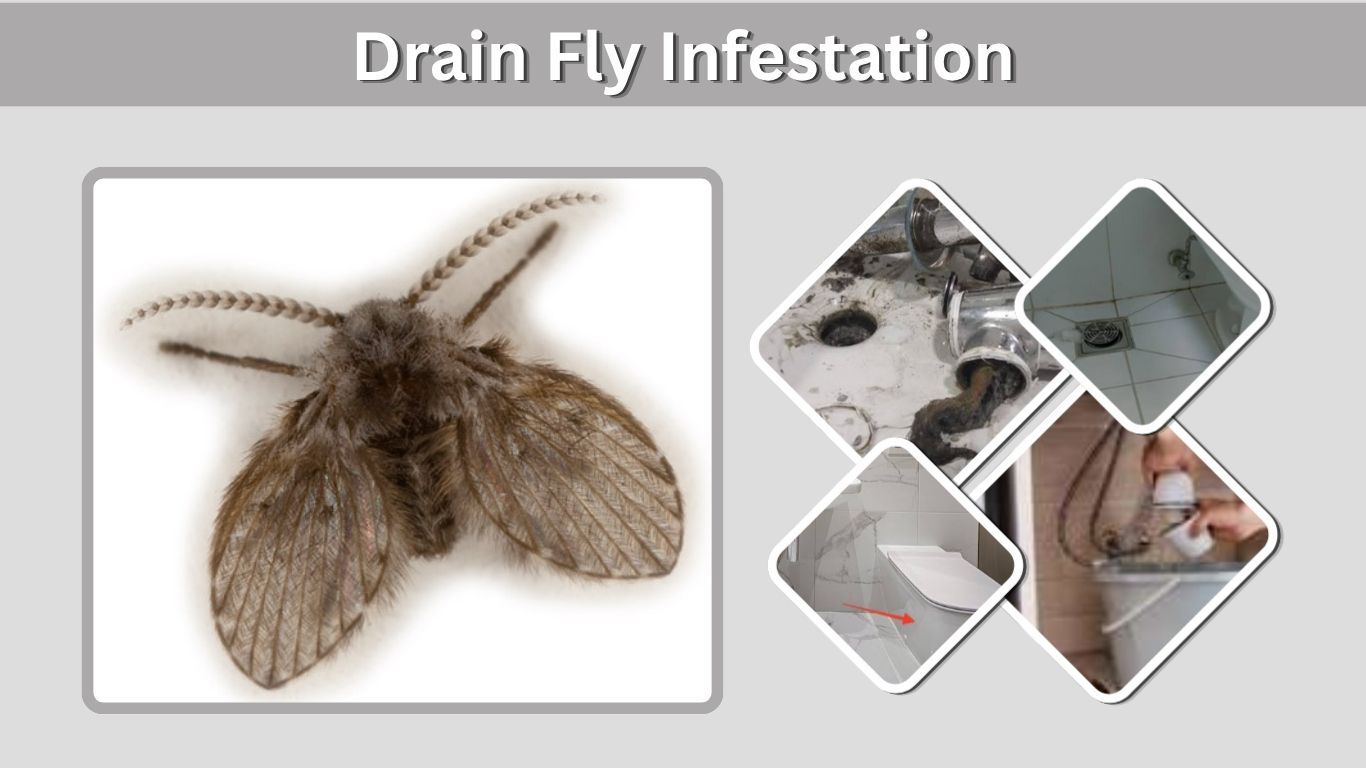
Drain Fly Infestation: Causes, Treatment & How to Get Rid of It
A drain fly infestation usually starts when tiny moth-like flies find wet organic buildup inside a drain, sewer line, sump pit, or other constantly damp … Read More
A drain fly infestation usually starts when tiny moth-like flies find wet organic buildup inside a drain, sewer line, sump pit, or other constantly damp … Read More
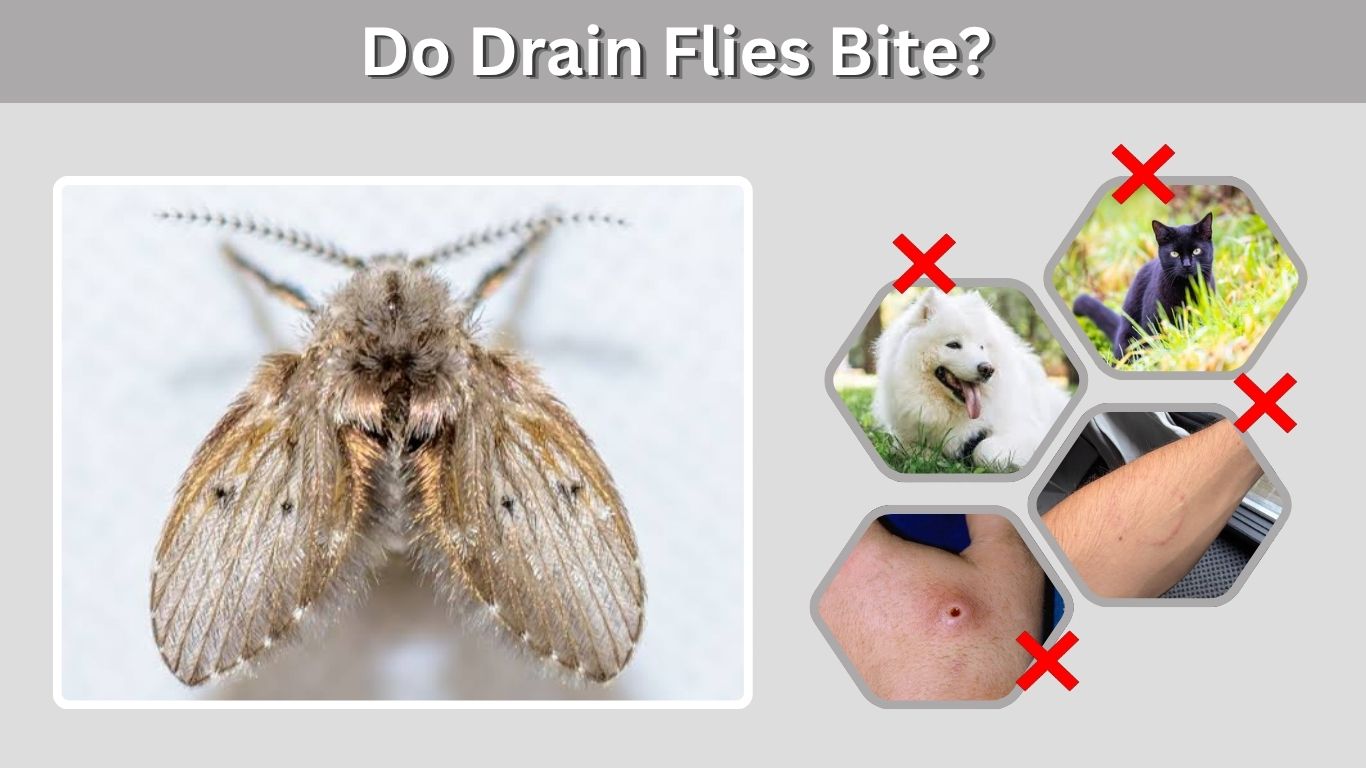
Drain flies do not bite humans. These tiny, fuzzy insects—also called moth flies or sewer flies—lack the mouthparts needed to pierce human skin and feed … Read More
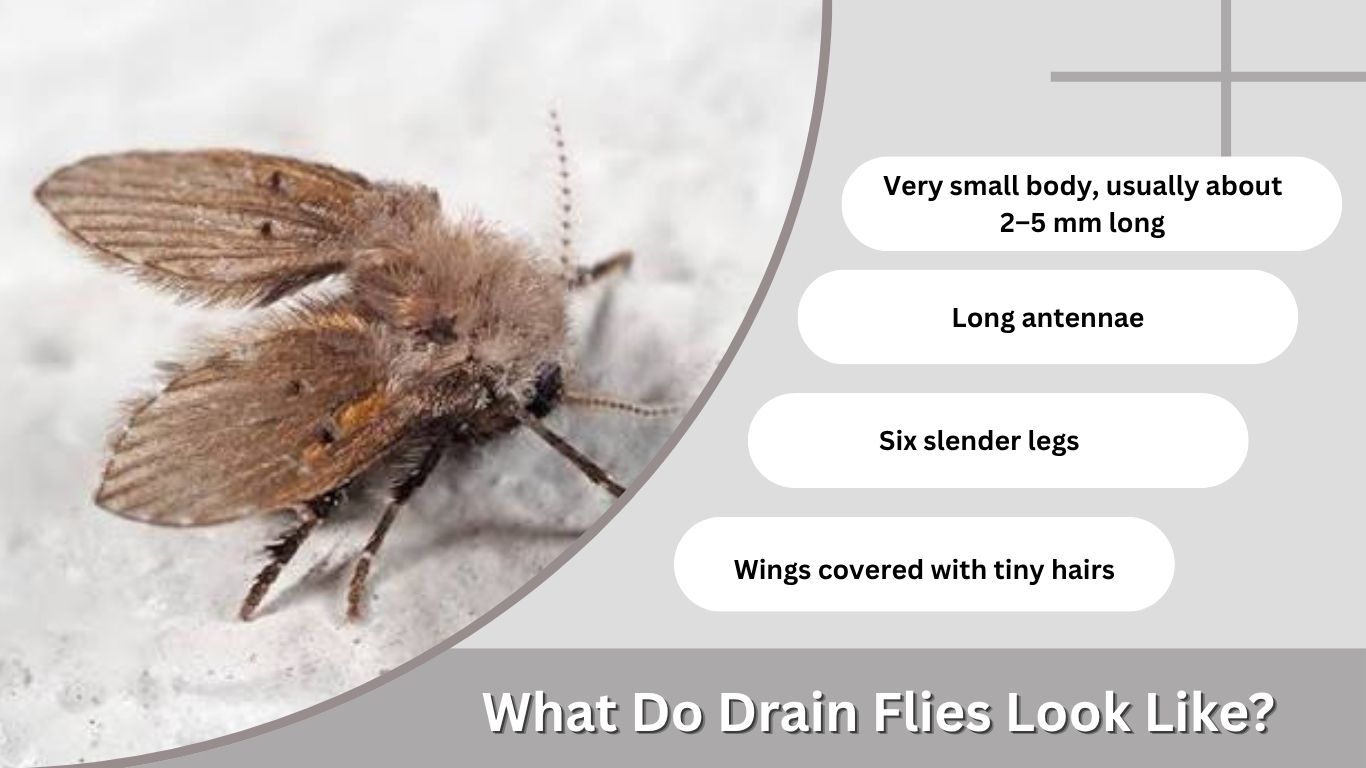
Drain flies are tiny, fuzzy insects commonly found around sinks, showers, floor drains, and other damp areas. At first glance, they may look like miniature … Read More
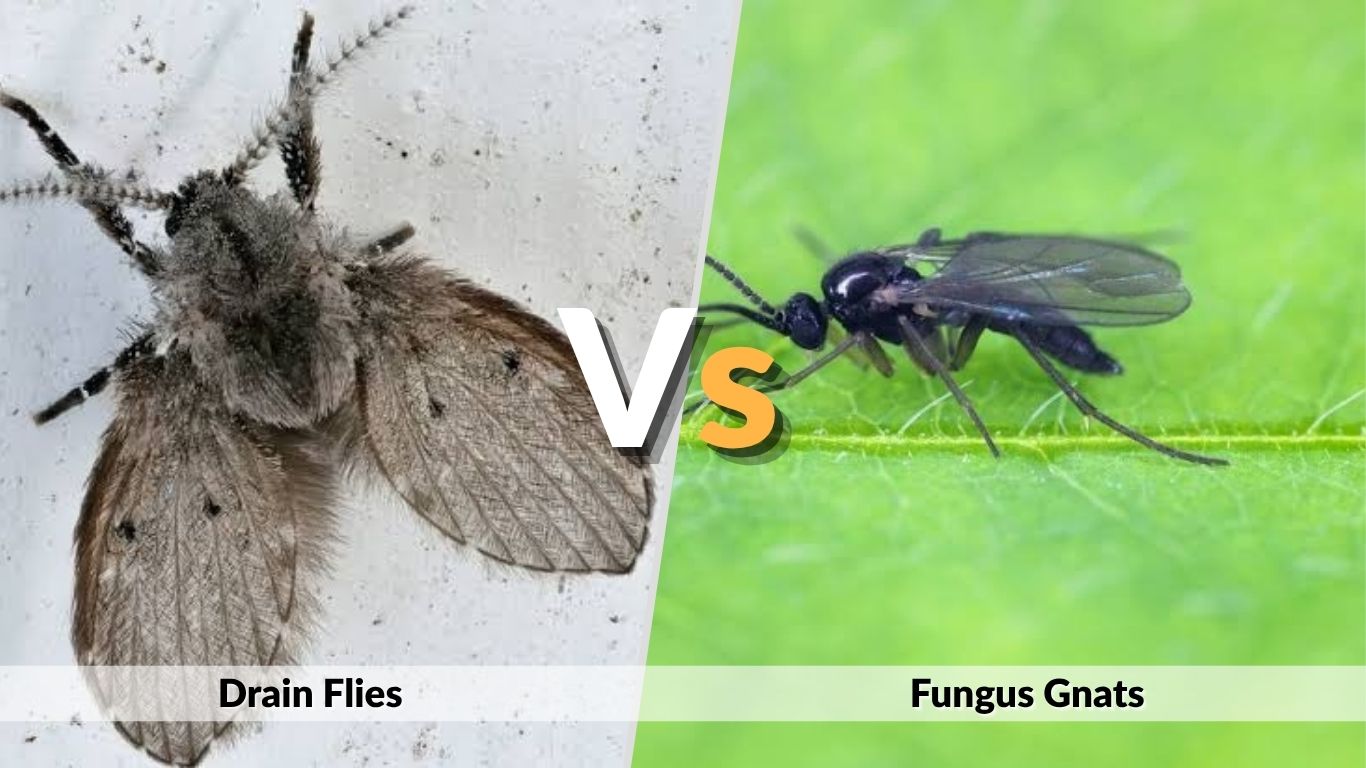
Drain flies and fungus gnats are tiny indoor pests that can look similar from a distance, but they breed in entirely different places. Drain flies … Read More
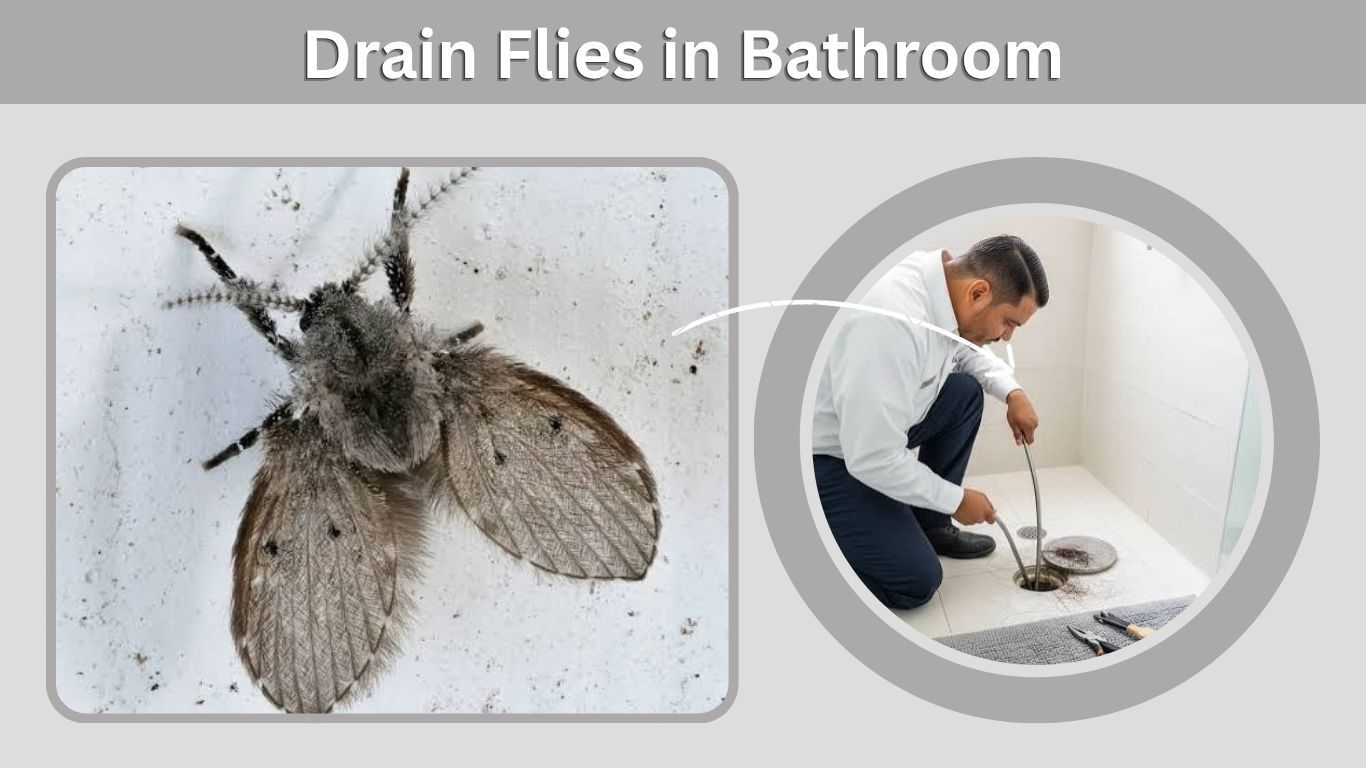
Drain flies in the bathroom usually indicate moist organic buildup where their larvae can develop. These tiny, fuzzy insects often appear near sinks, showers, and … Read More
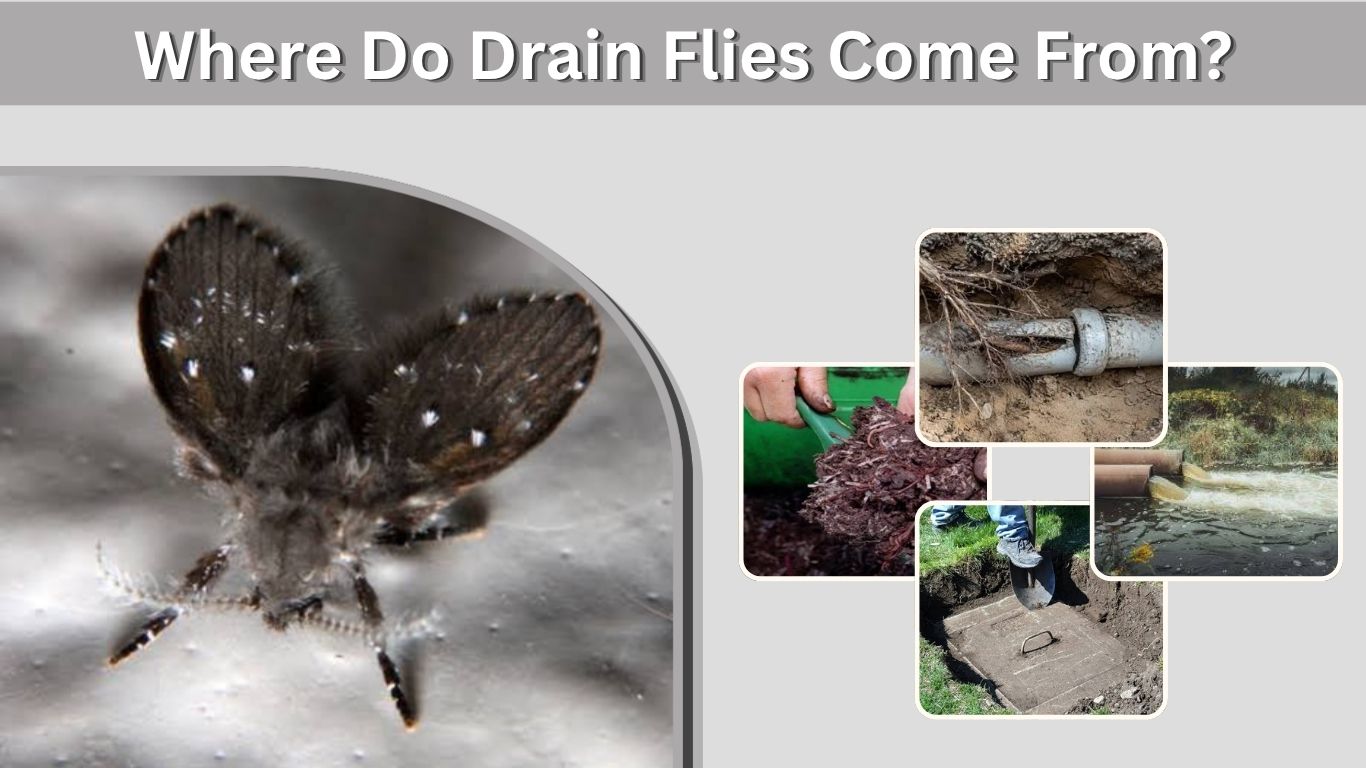
Drain flies come from moist places containing decaying organic material, especially the slimy buildup inside sink, shower, and floor drains. Adults can enter from outdoors, … Read More
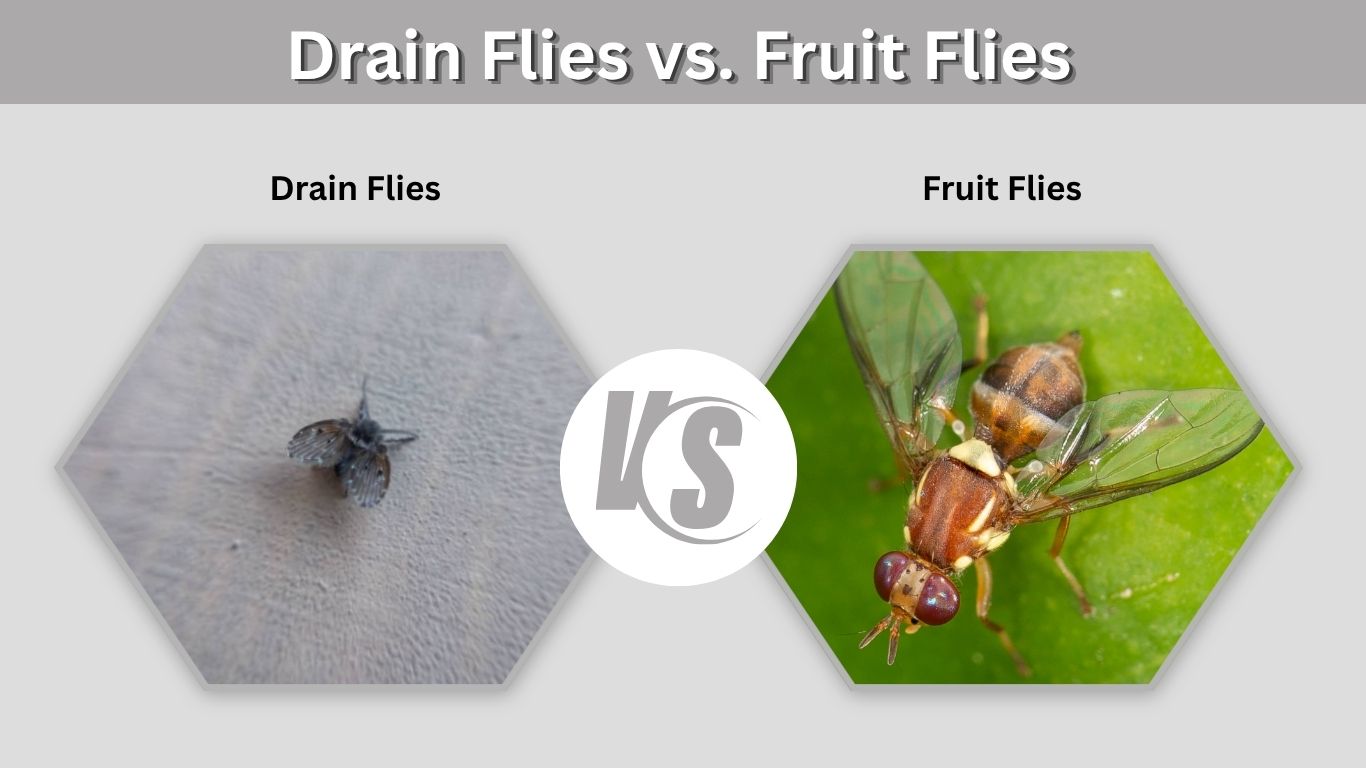
Drain flies and fruit flies are tiny household pests, but they originate from different breeding sources and require different treatments. Drain flies are fuzzy, moth-like … Read More
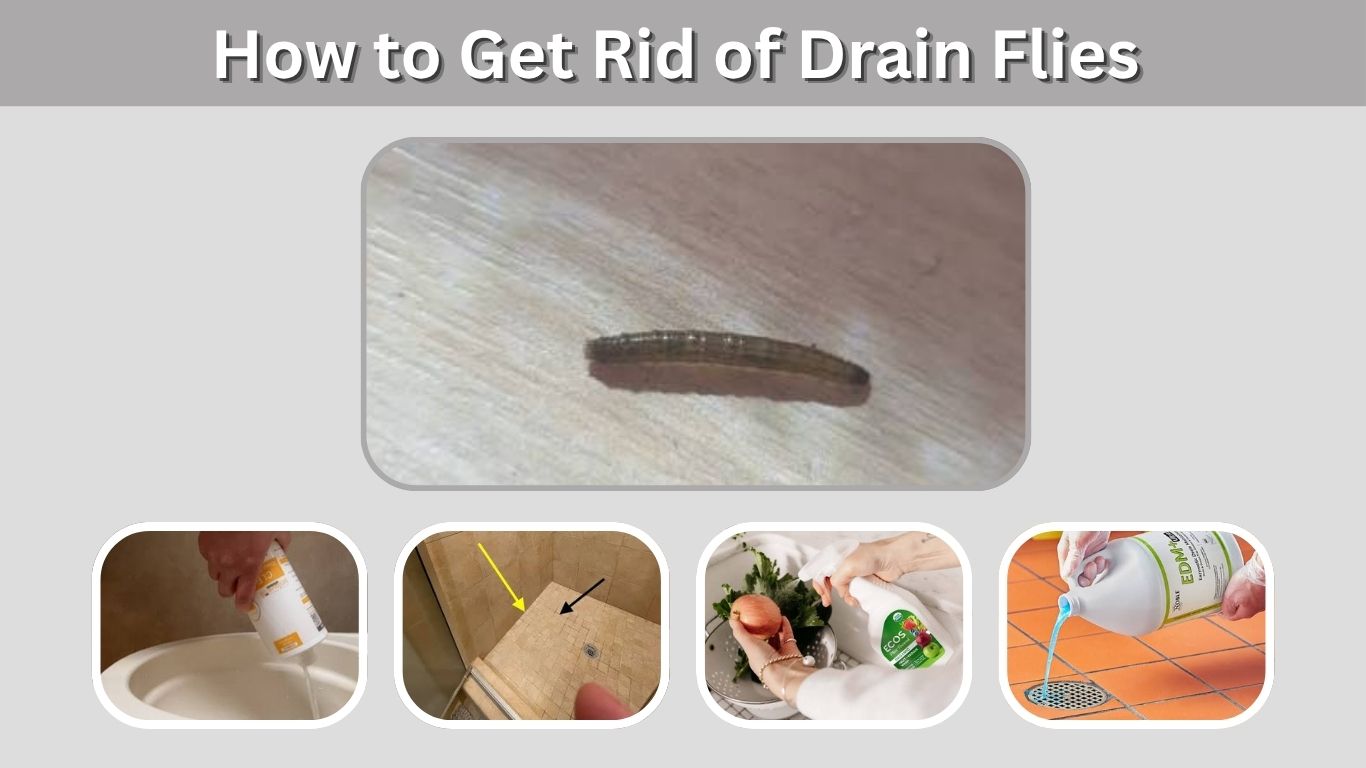
Drain flies are small, fuzzy insects that reproduce in moist organic buildup inside sinks, toilets, showers, and floor drains. Killing the adults may reduce their … Read More
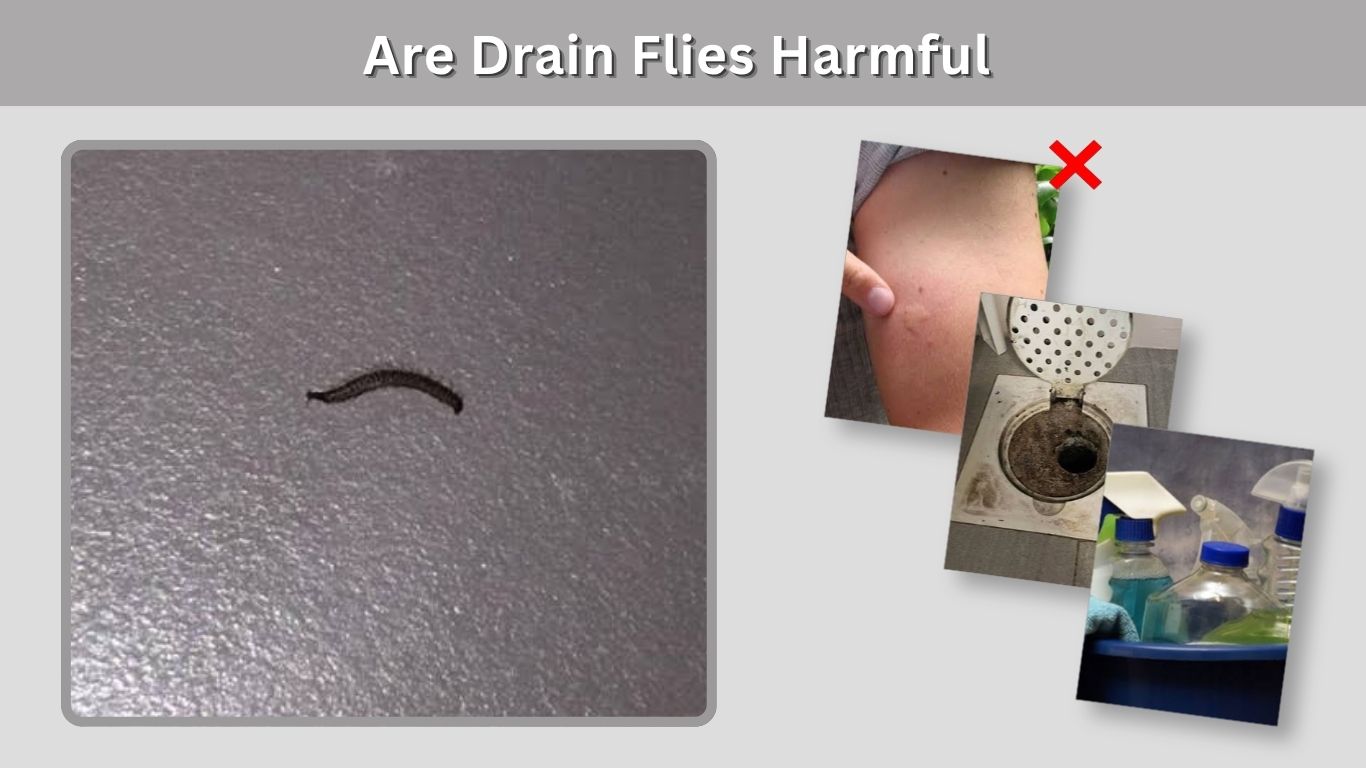
Drain flies are generally not dangerous because they do not normally bite, sting, or transmit disease directly. However, an infestation may indicate that sewage, bacterial … Read More
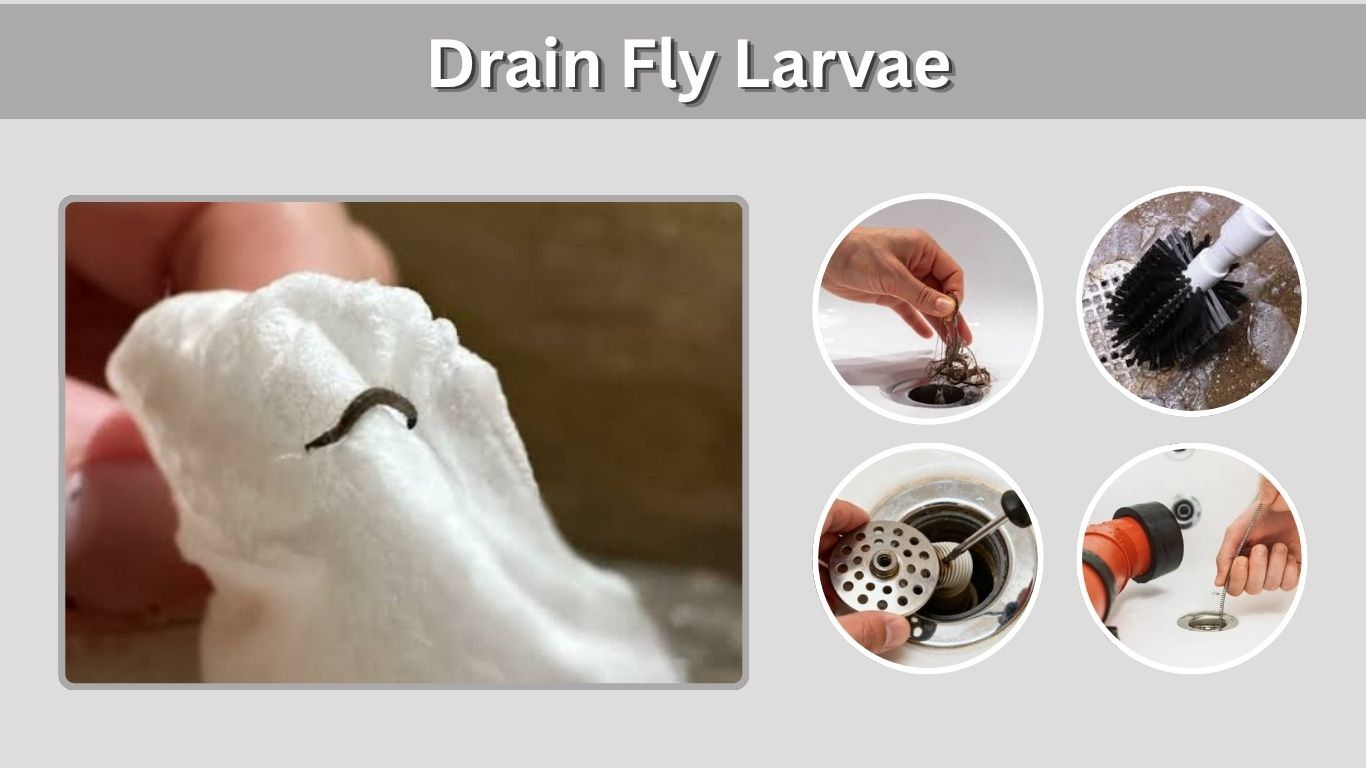
Drain fly larvae are tiny, worm-like insects that develop in wet organic buildup inside drains, toilets, showers, and other damp locations. Although they are generally … Read More