
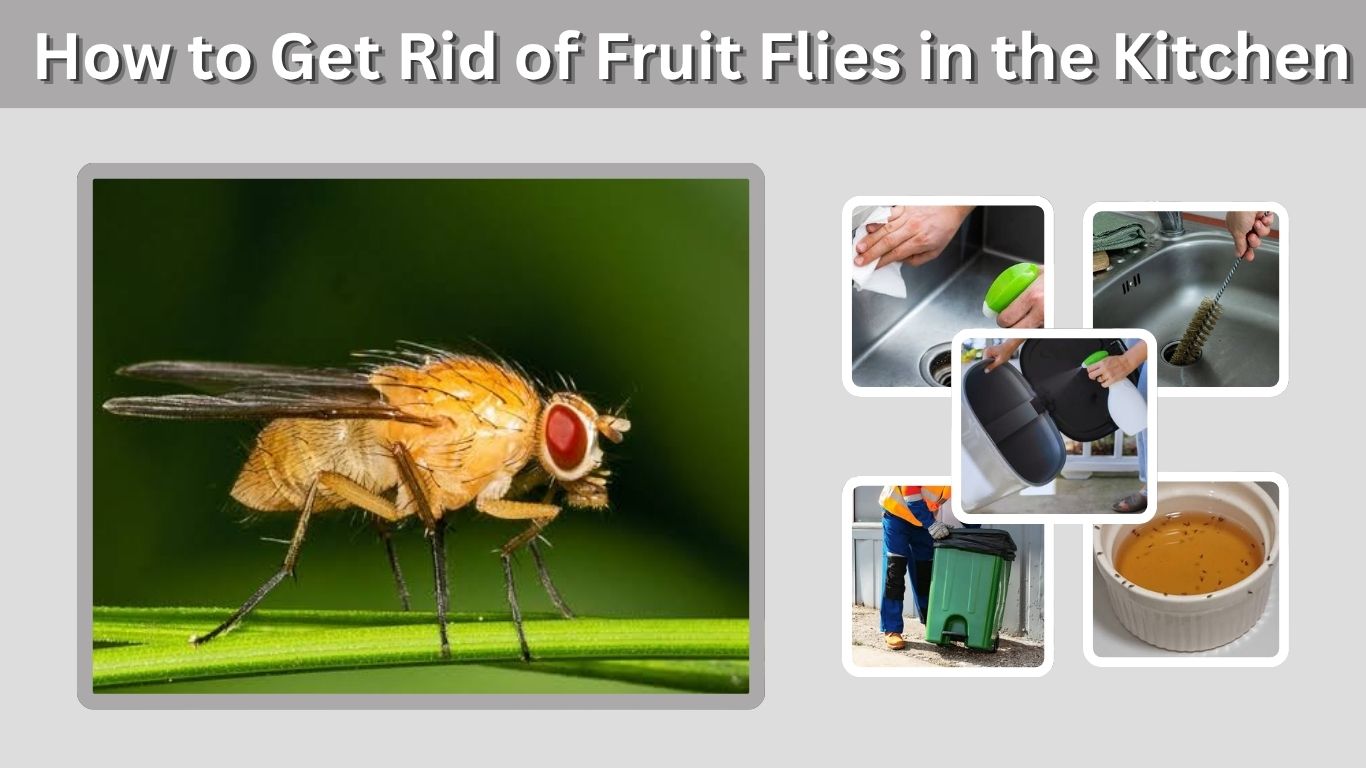
How to Get Rid of Fruit Flies in the Kitchen Fast: Causes, Traps & Removal
Fruit flies can quickly turn a clean kitchen into an irritating problem, especially around ripe fruit, trash cans, sinks, recycling bins, and spilled drinks. The … Read More
Fruit flies can quickly turn a clean kitchen into an irritating problem, especially around ripe fruit, trash cans, sinks, recycling bins, and spilled drinks. The … Read More
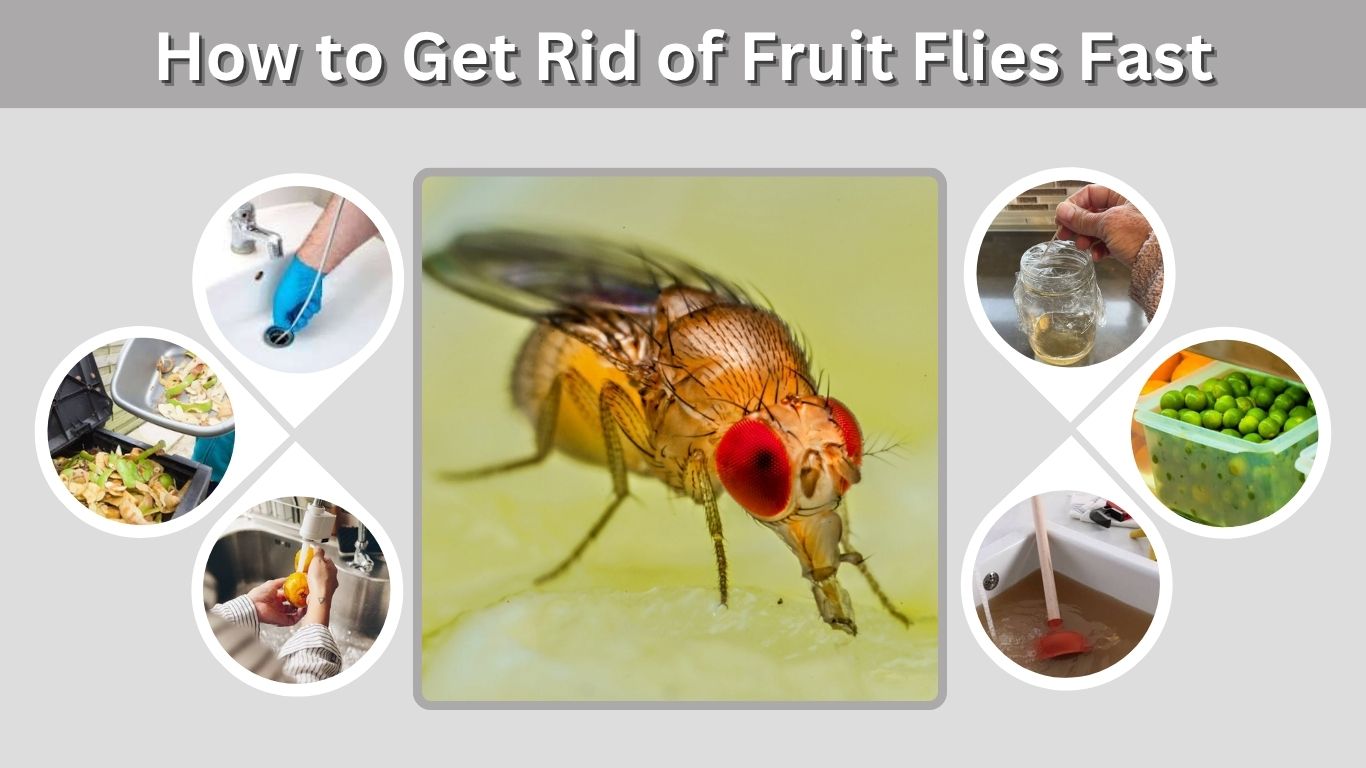
Fruit flies can seemingly appear overnight, gathering around bananas, garbage cans, drains, recycling bins, and other places where food is beginning to ferment. The fastest … Read More
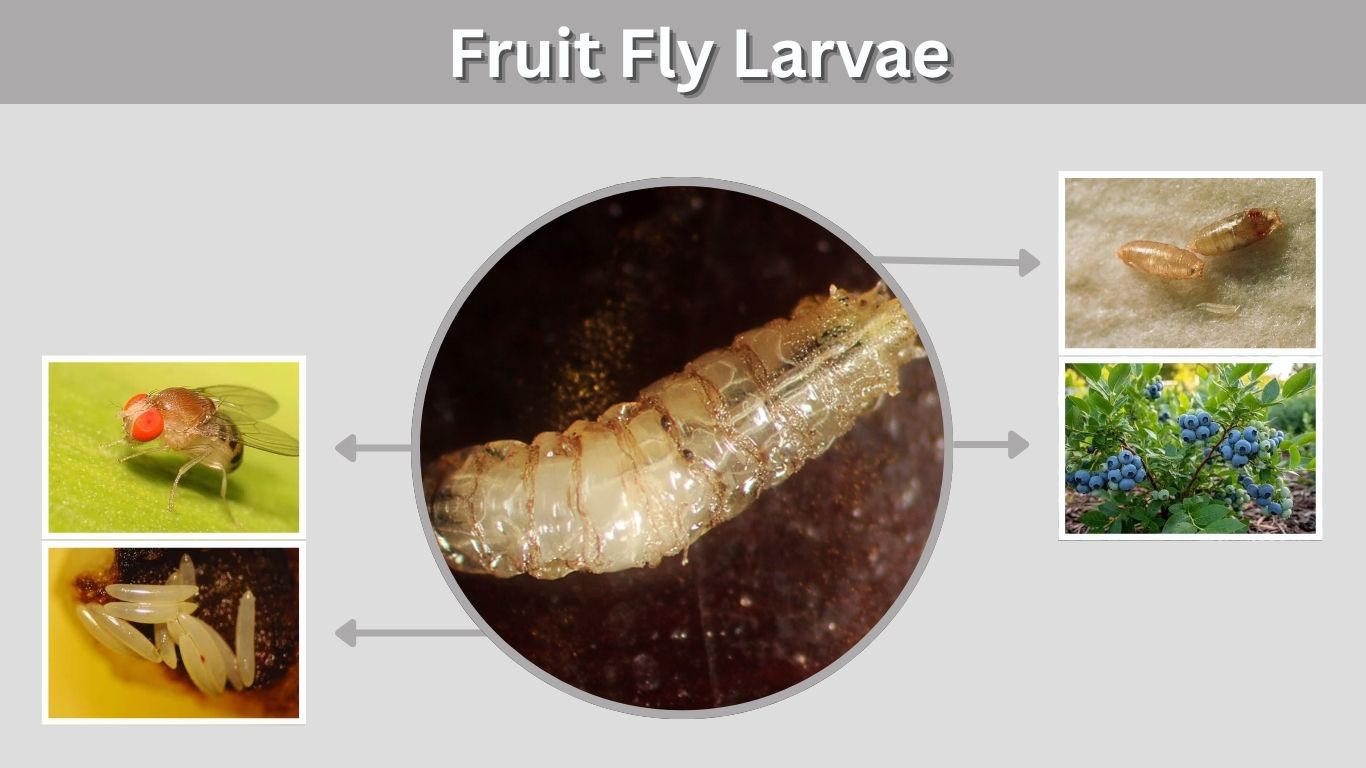
Fruit fly larvae are tiny, pale, worm-like maggots that develop in moist, fermenting organic material. In homes, common fruit fly larvae are most often found … Read More
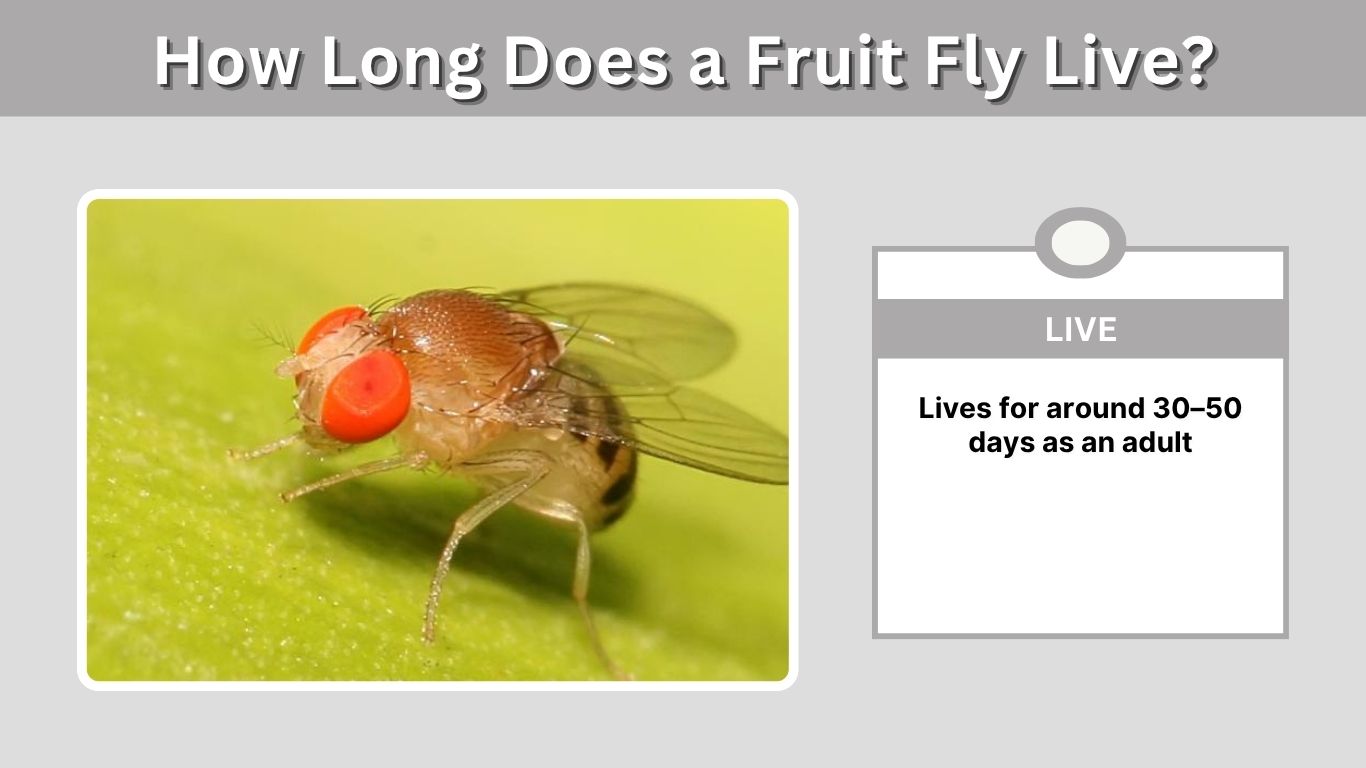
A fruit fly may look short-lived, but it can survive for several weeks under favorable conditions. The common fruit fly (Drosophila melanogaster) generally lives for … Read More
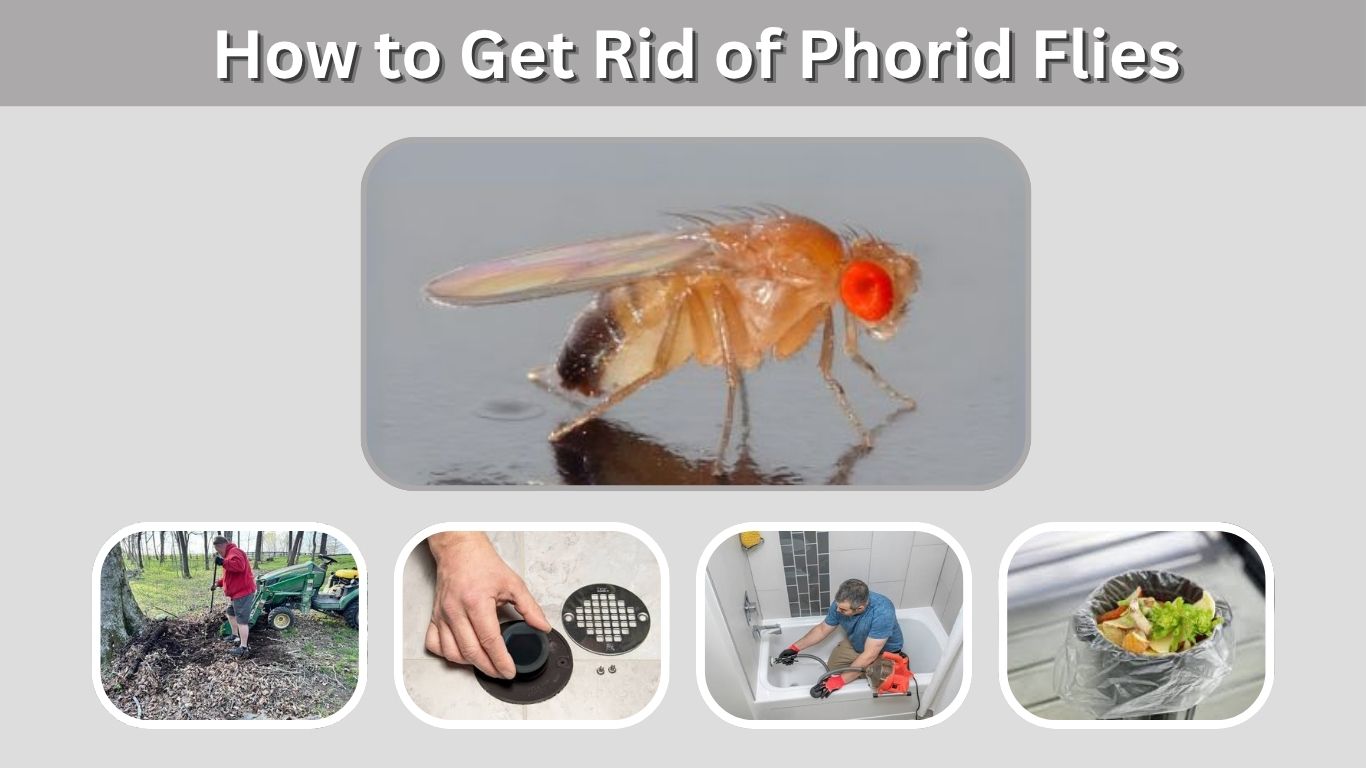
Phorid flies are tiny, humpbacked flies that can become persistent indoor pests when they find moist, decaying organic material. They often appear around drains, bathrooms, … Read More
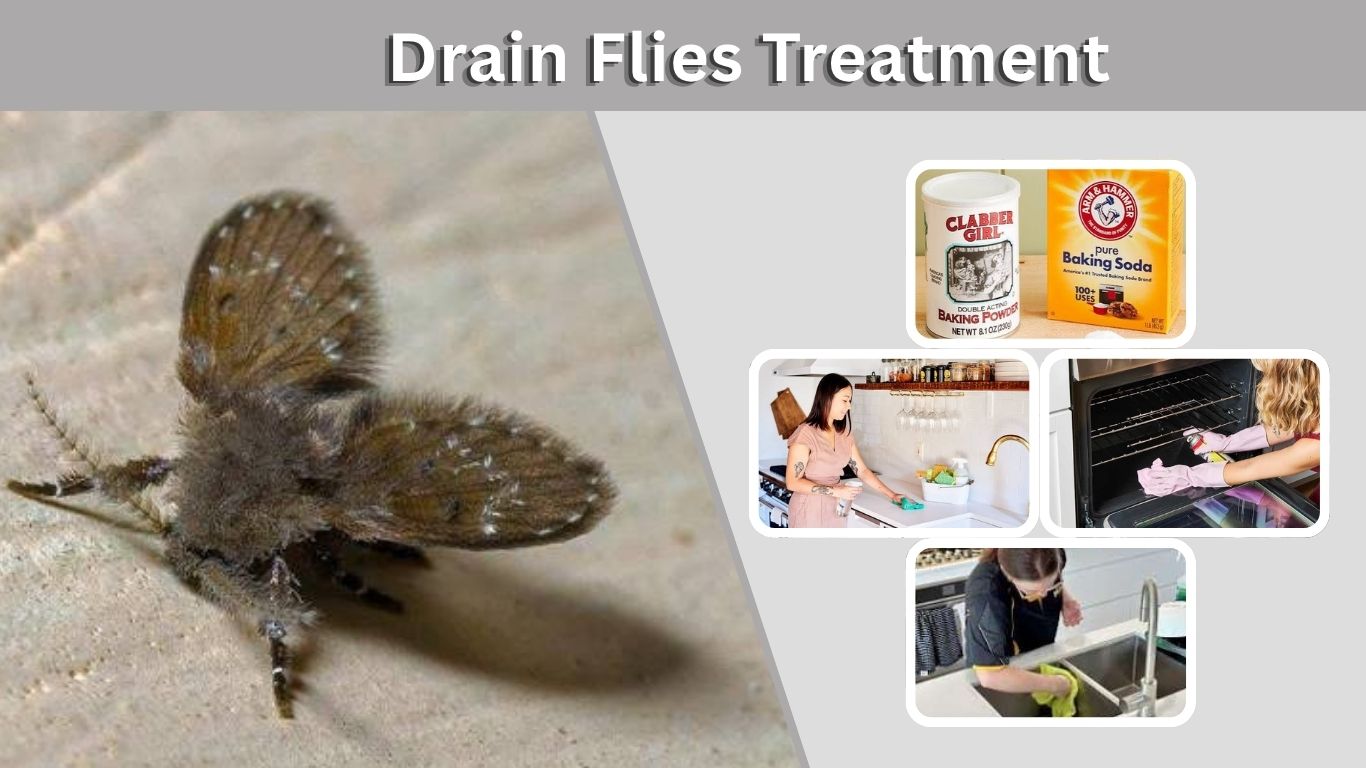
Drain fly treatment works best when you eliminate the slimy organic buildup where these tiny flies breed rather than simply killing the adults you see. … Read More
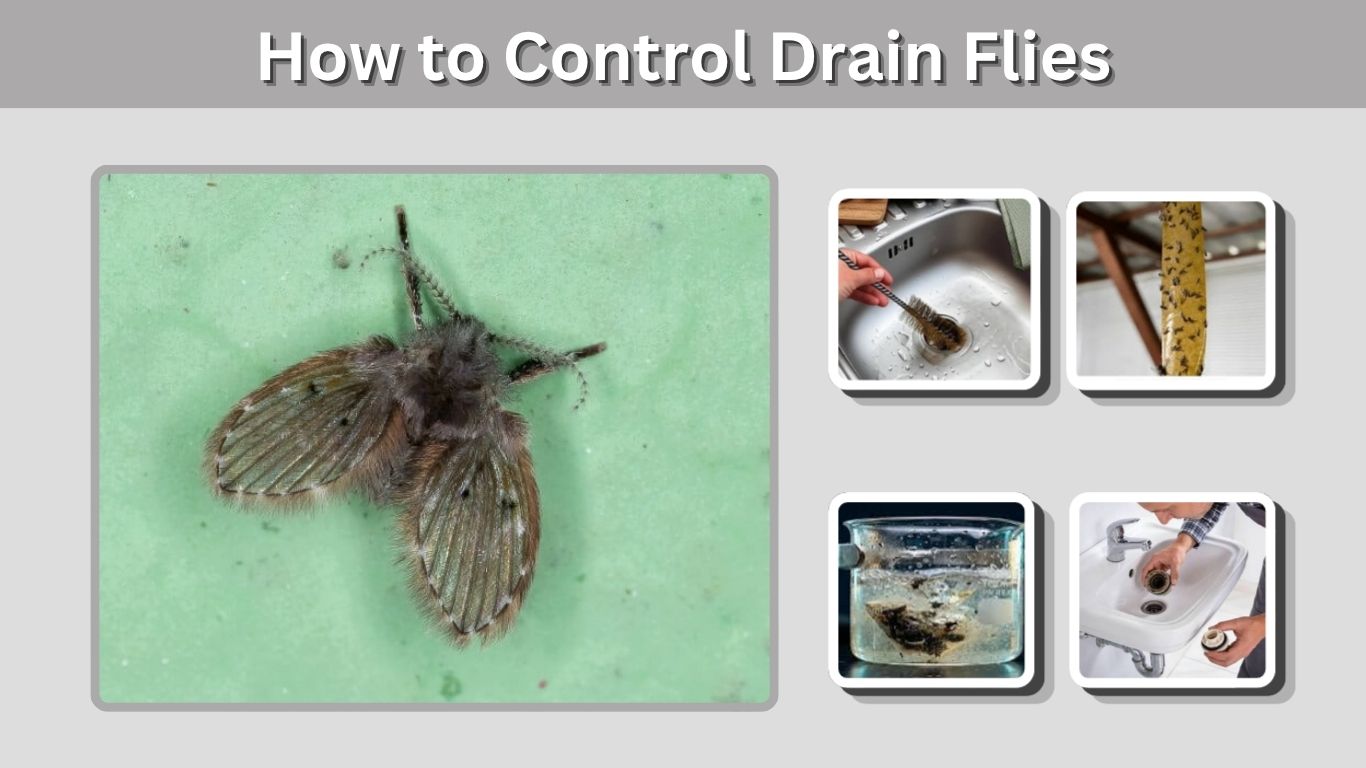
Drain flies are tiny, fuzzy insects that often appear around sinks, showers, floor drains, and other damp areas. Also called moth flies or sewer flies, … Read More
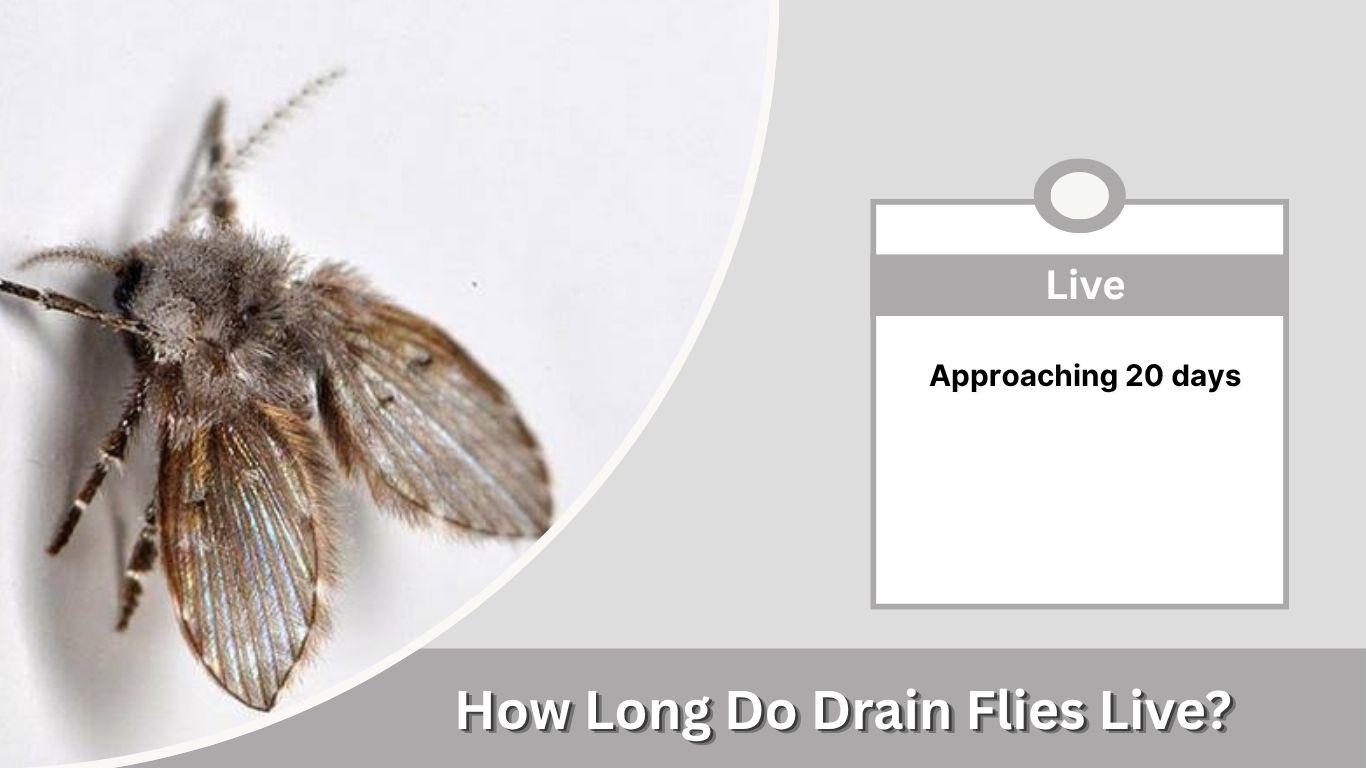
Drain flies usually have short adult lives, but an infestation can continue for weeks or months when new generations keep developing inside a drain. Depending … Read More
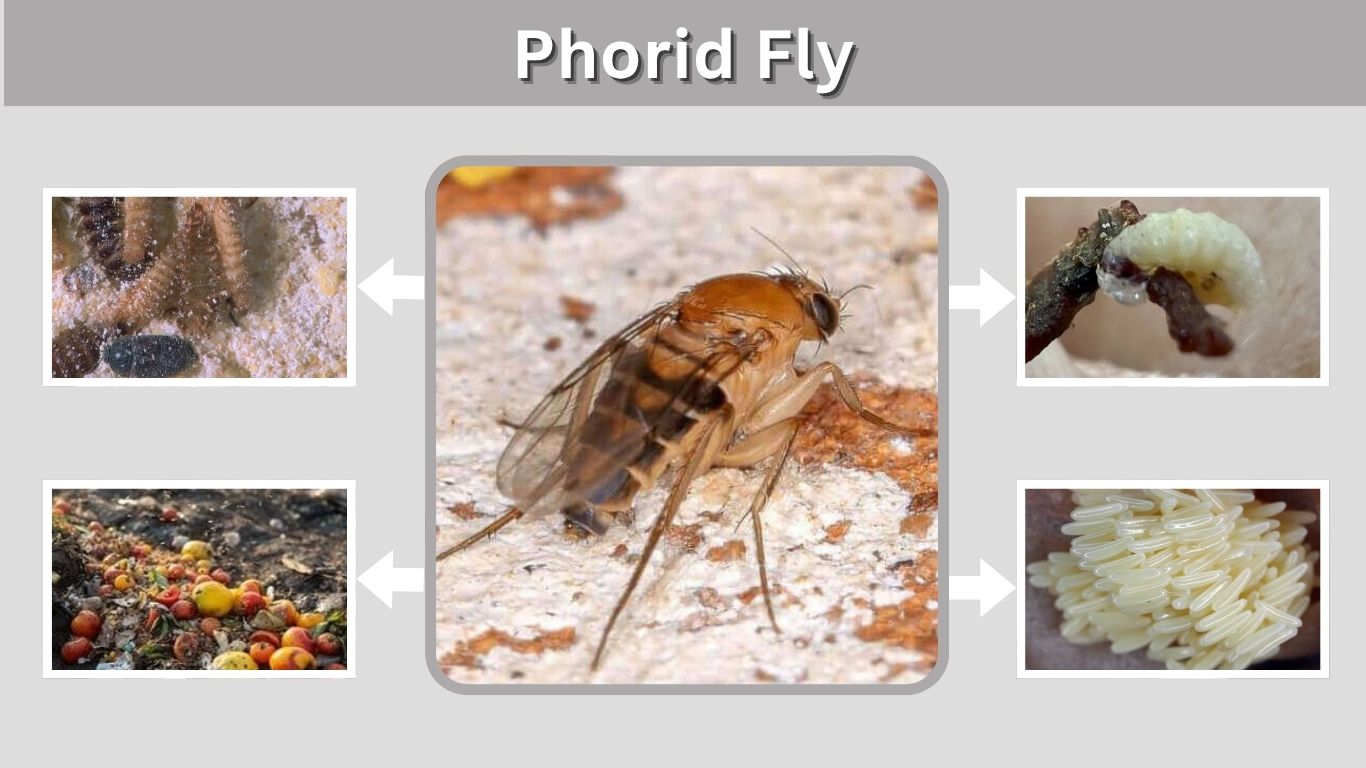
The phorid fly is a tiny, humpbacked fly commonly found around decaying organic matter, garbage, drains, sewage leaks, and spoiled food. Often called a scuttle … Read More
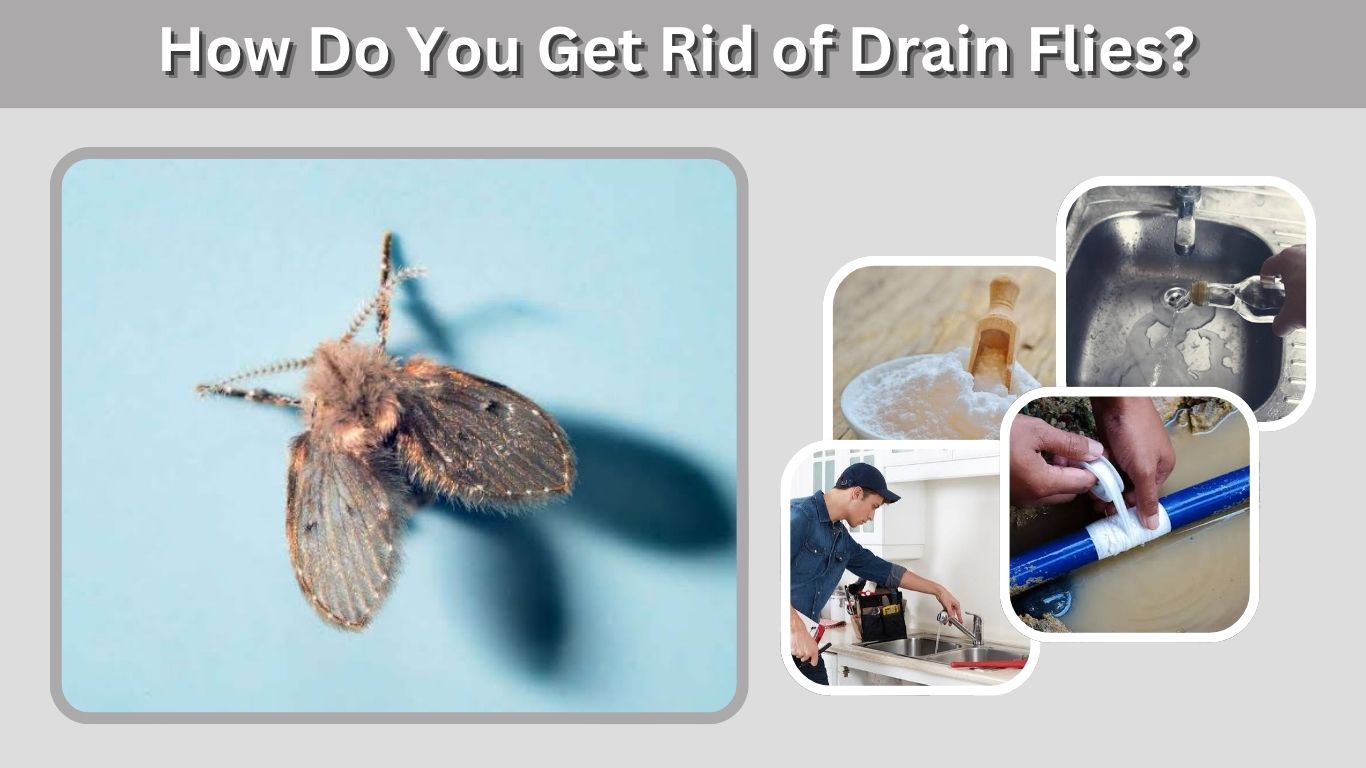
Drain flies are tiny, fuzzy insects that often appear around sinks, showers, floor drains, and other damp areas. Getting rid of the adults is easy, … Read More