
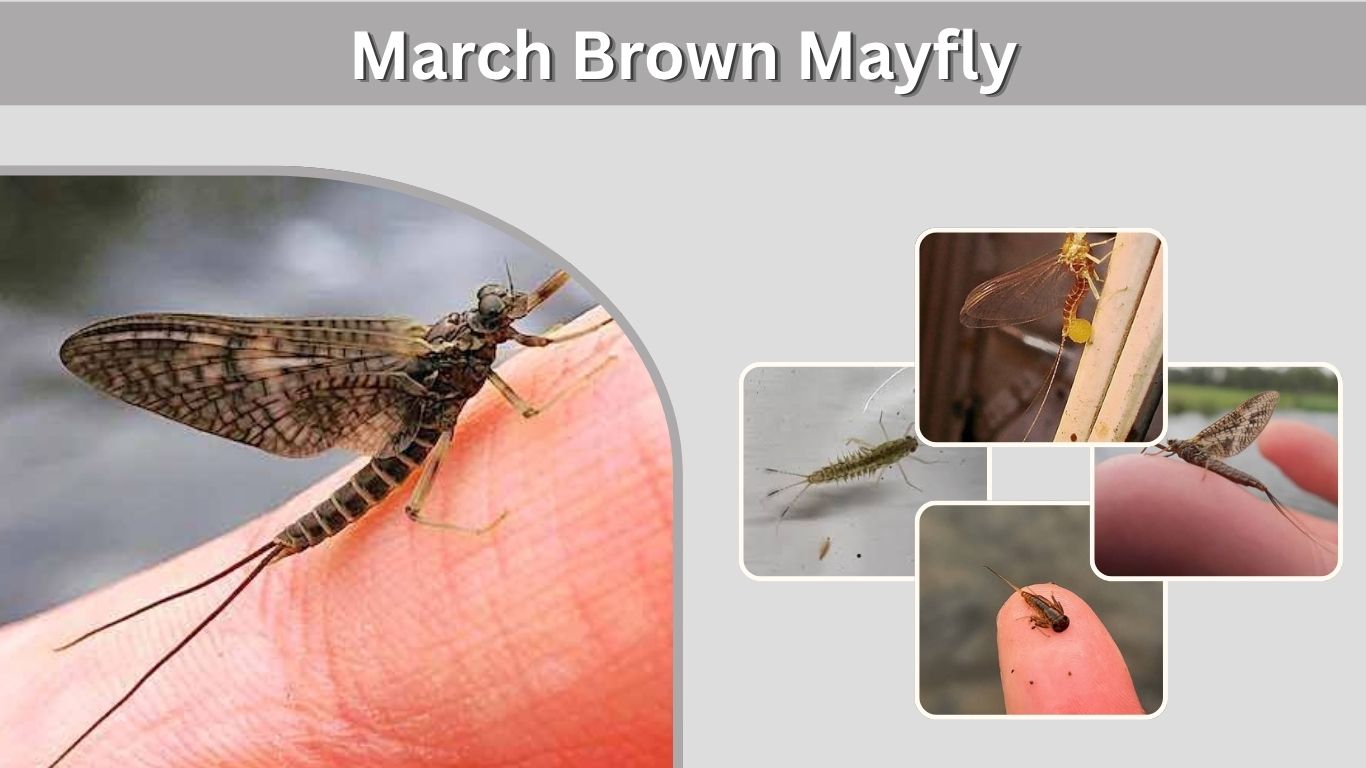
March Brown Mayfly: Identification, Nymphs, Hatch and Fly Patterns
The March brown mayfly is a large, brown-toned aquatic insect best known for producing an important seasonal trout hatch. Anglers value it because its nymphs, … Read More
The March brown mayfly is a large, brown-toned aquatic insect best known for producing an important seasonal trout hatch. Anglers value it because its nymphs, … Read More
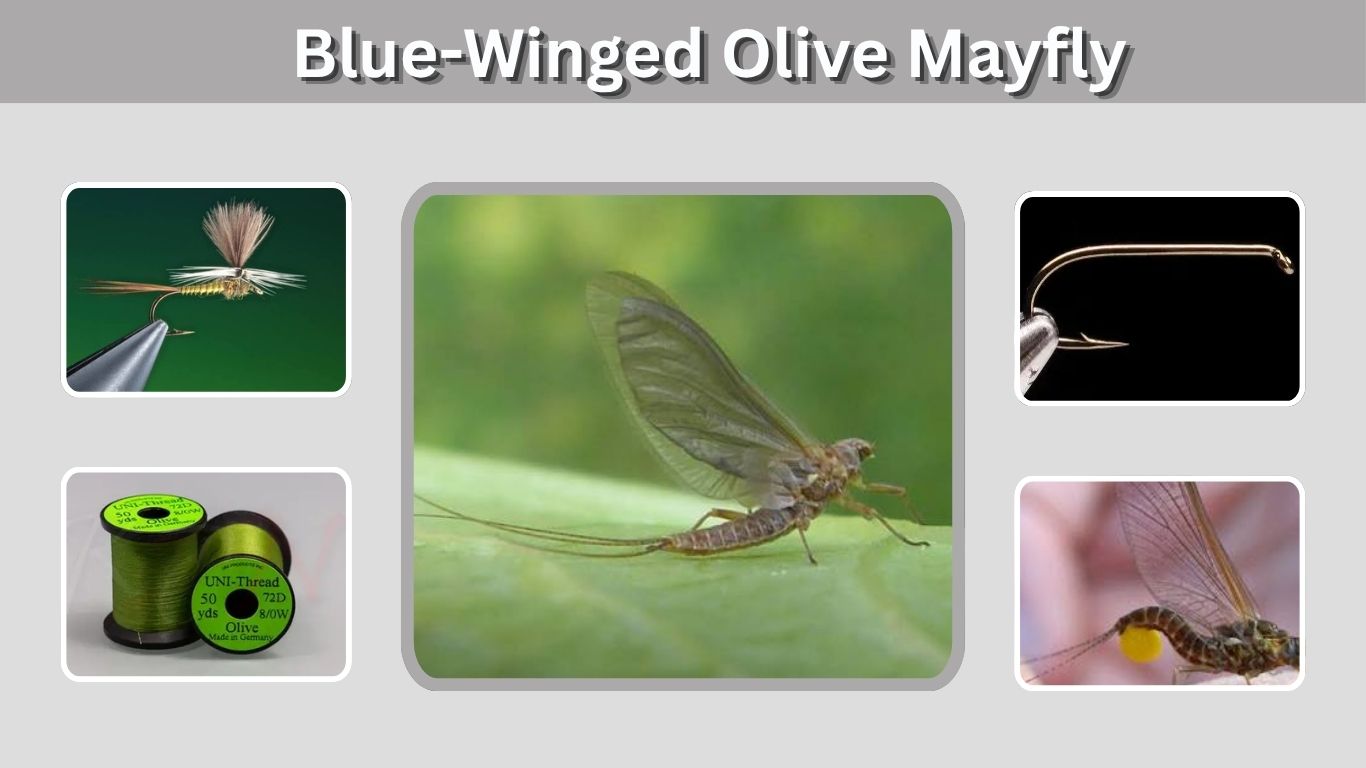
The Blue-Winged Olive mayfly, commonly abbreviated as BWO, is one of the most important aquatic insects for trout anglers. Rather than identifying a single species, … Read More
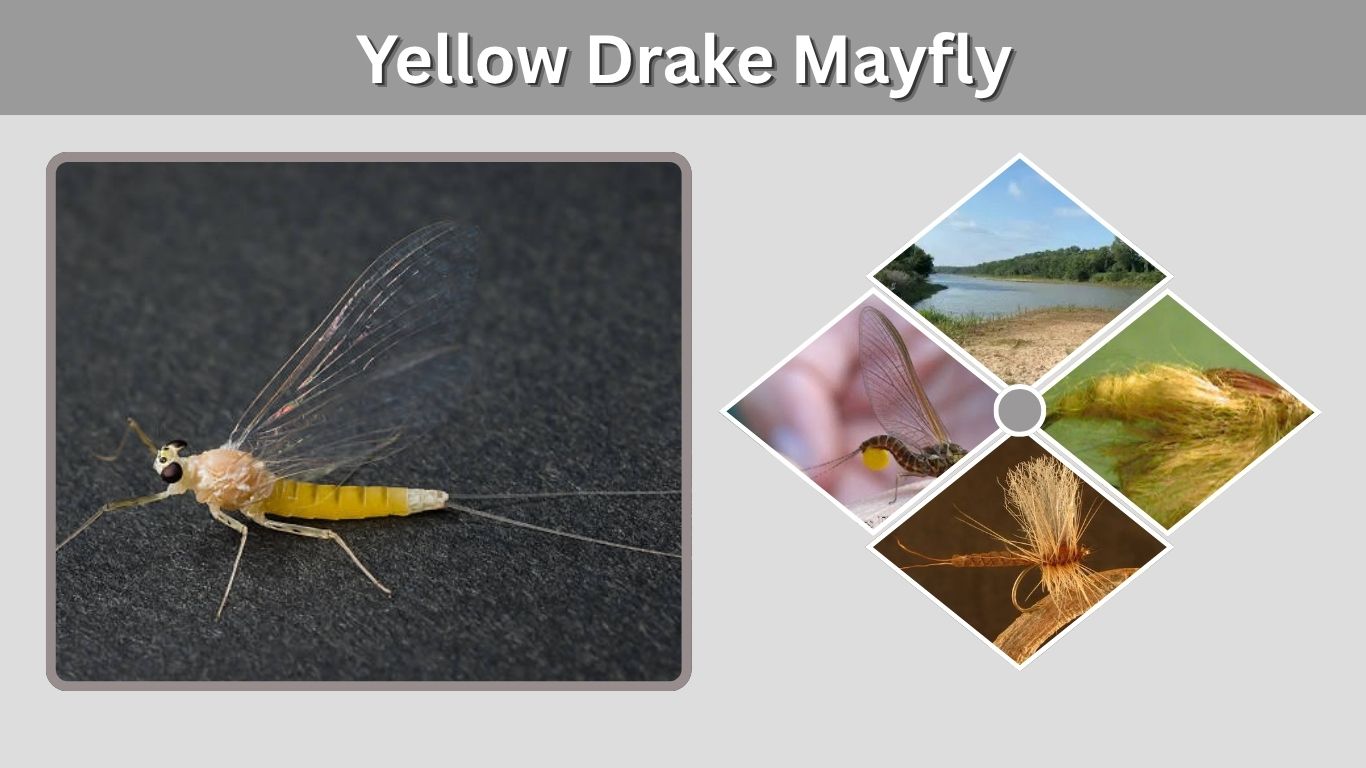
The Yellow Drake is a large North American mayfly known for its pale yellow body, patterned abdomen, and evening emergence. In eastern and central regions, … Read More
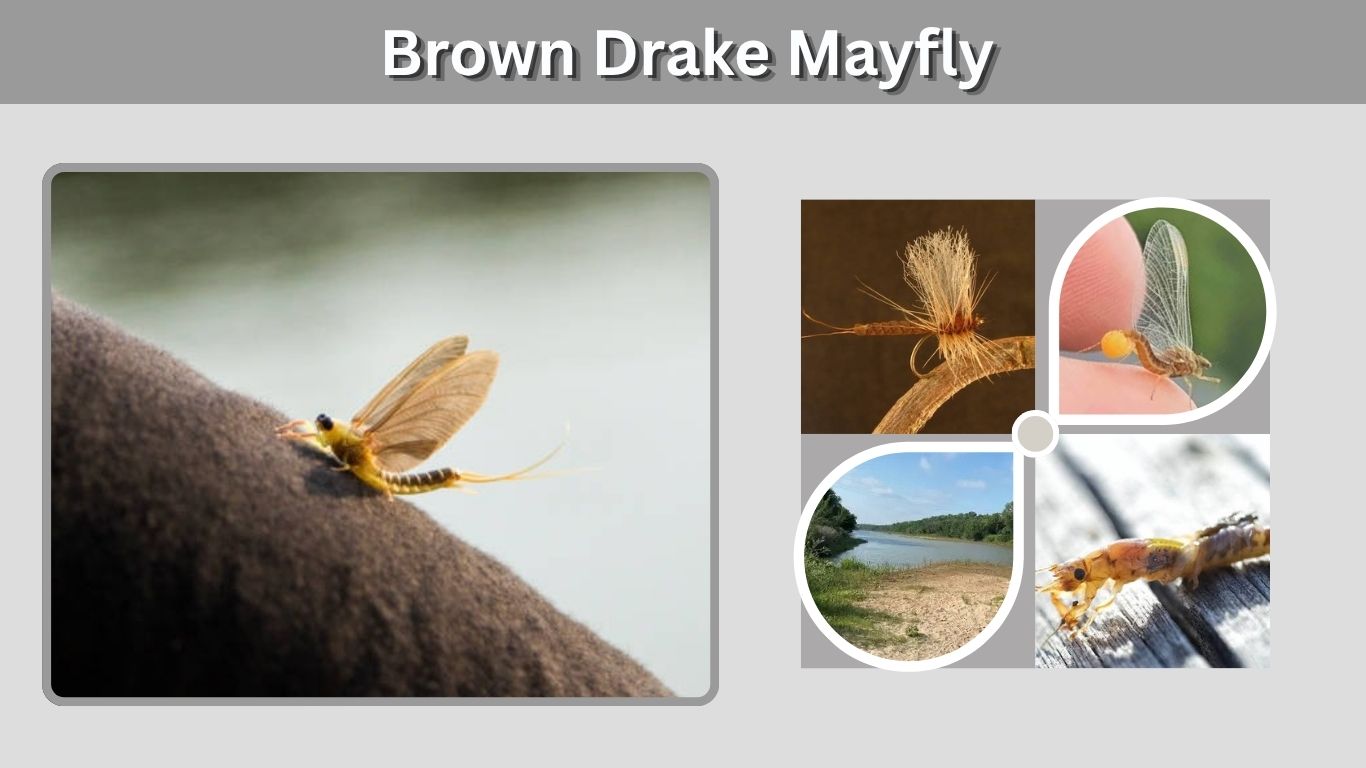
The Brown Drake mayfly is a large North American aquatic insect best known for producing brief but spectacular hatches. Usually identified as Ephemera simulans, it … Read More
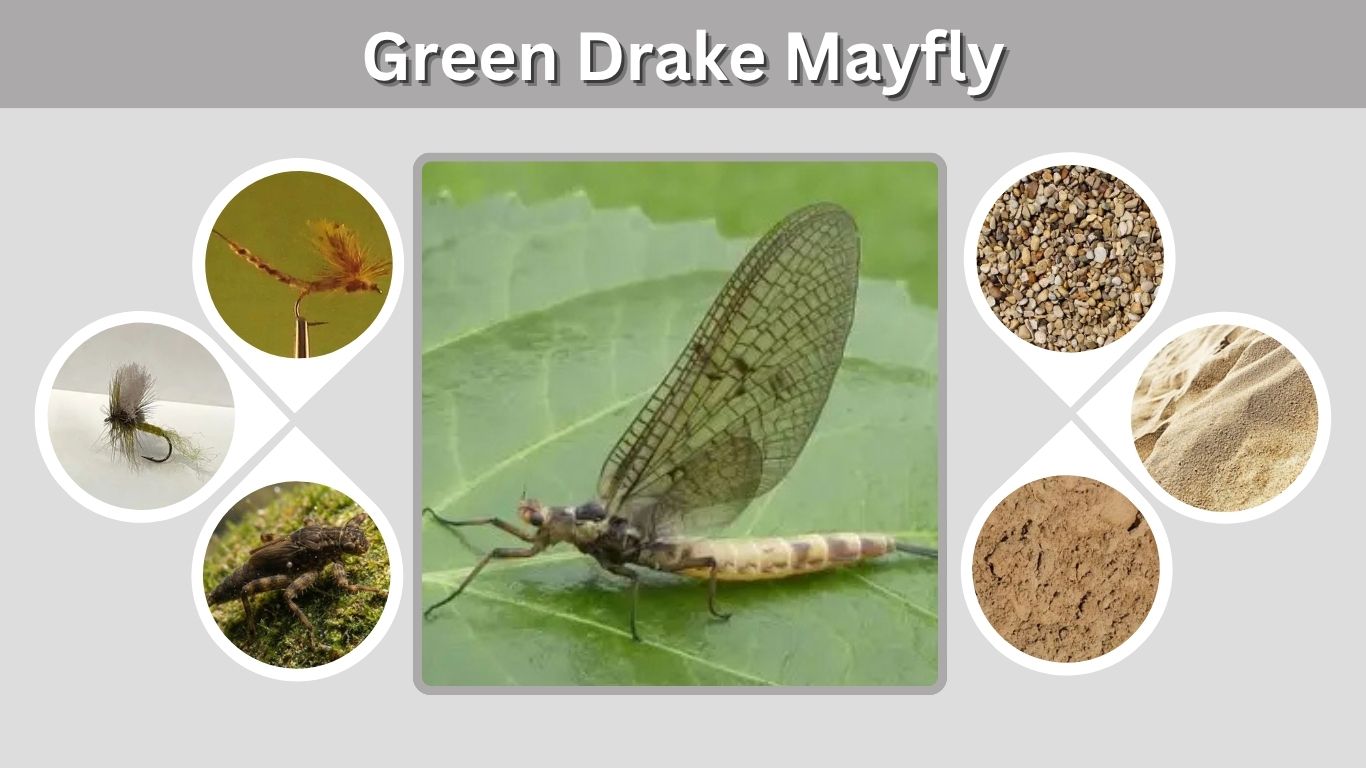
The green drake mayfly is among the largest and most important mayflies for trout anglers in North America. However, “green drake” does not describe one … Read More
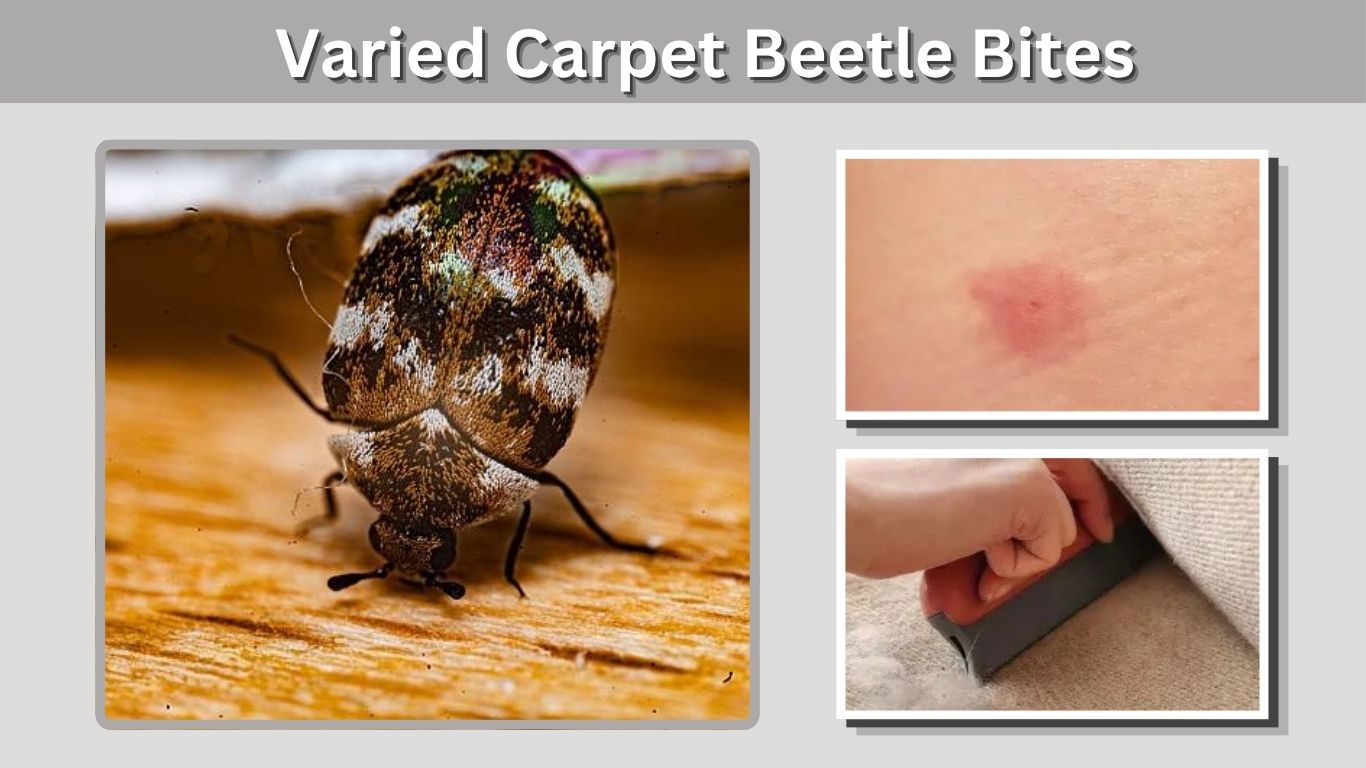
Varied carpet beetles do not bite humans. Neither adult beetles nor their larvae feed on blood or intentionally attack people. However, the stiff microscopic hairs … Read More
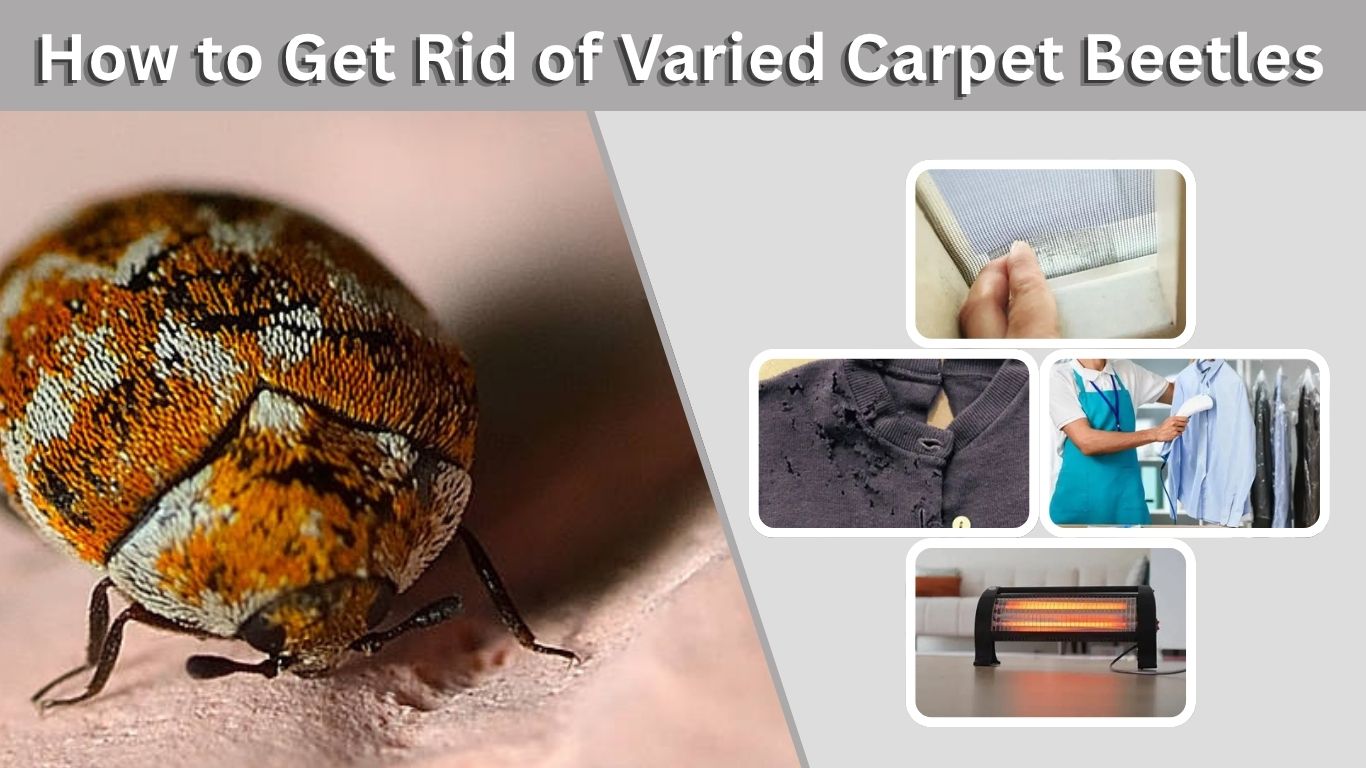
Varied carpet beetles are small household pests whose hairy larvae damage wool, fur, feathers, silk and other animal-based materials. Adults often appear near windows, but … Read More
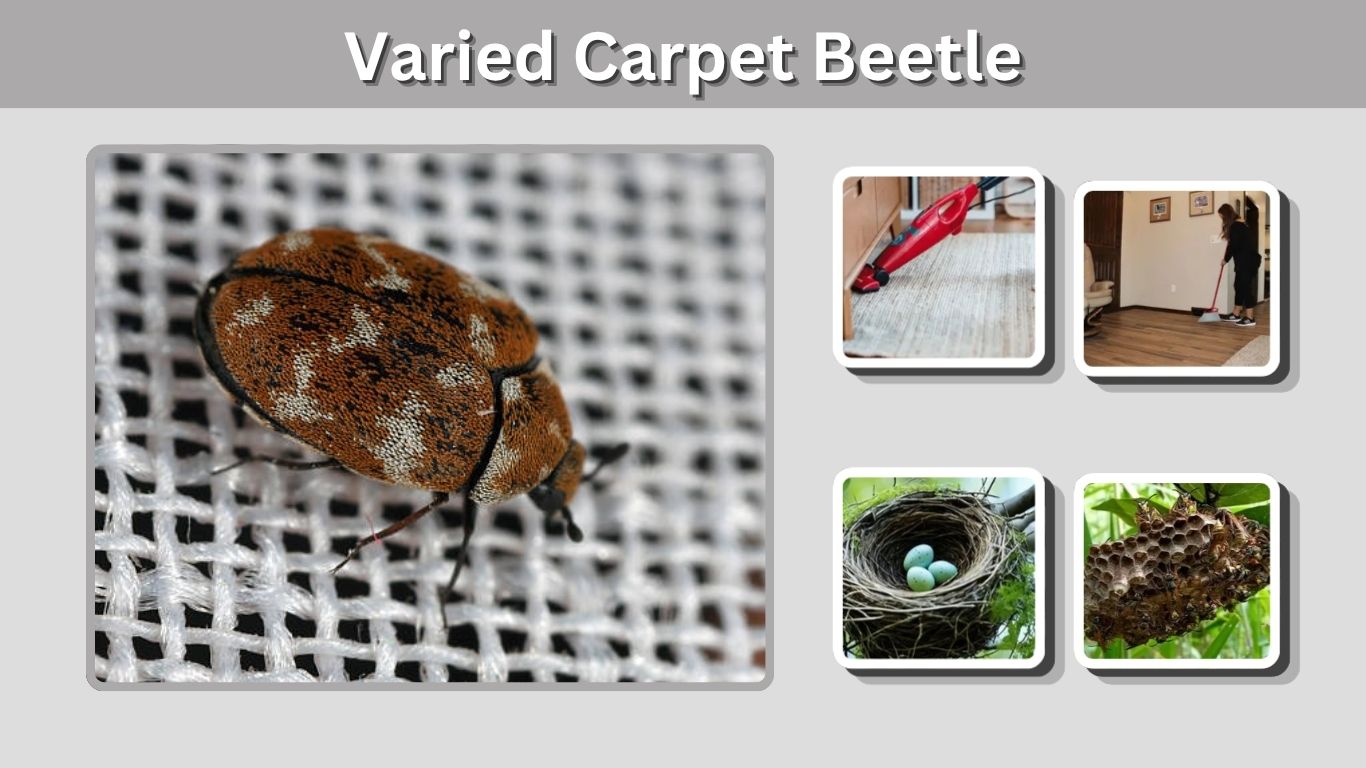
The varied carpet beetle is a tiny, rounded insect whose larvae can damage wool carpets, clothing, feathers, fur and other animal-based materials. Adults commonly appear … Read More
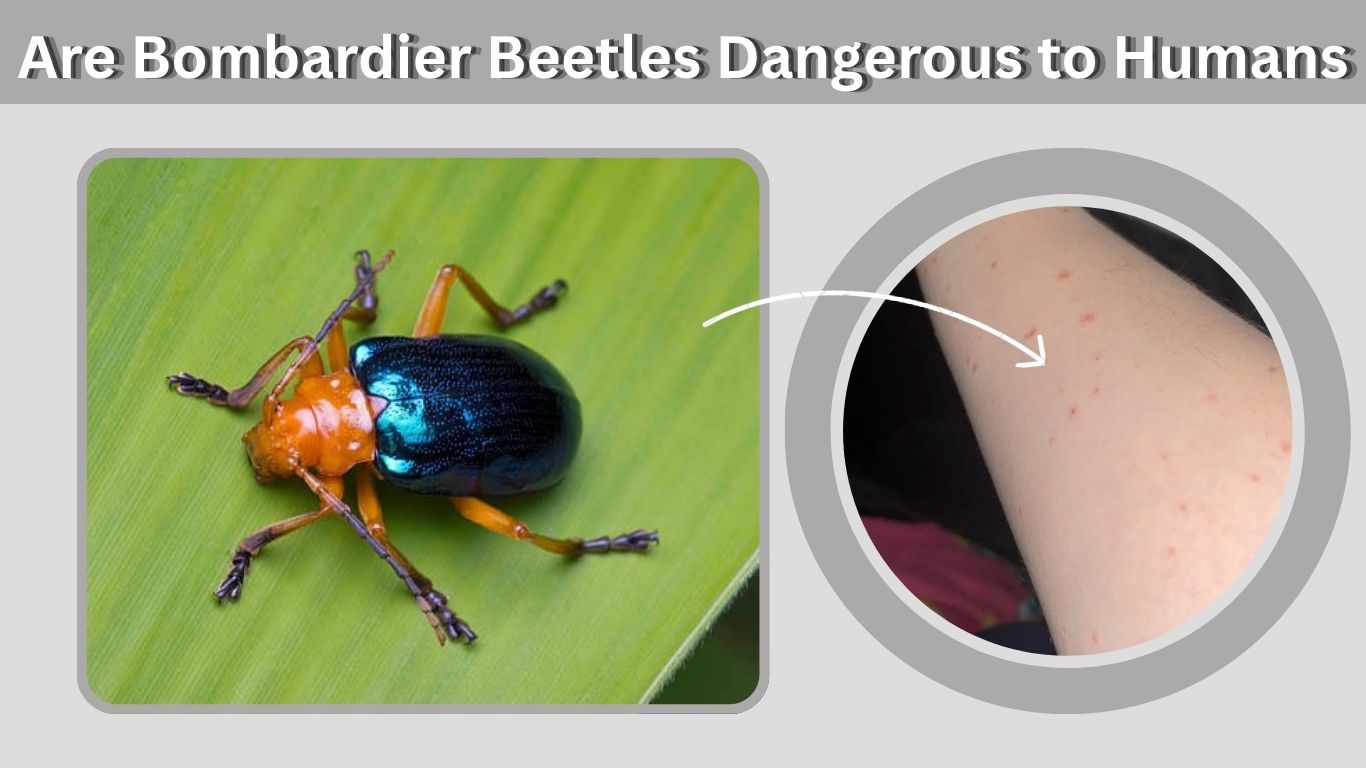
Bombardier beetles are not normally dangerous to humans, but their defensive spray can cause painful skin irritation, temporary staining, minor thermal or chemical burns, and … Read More
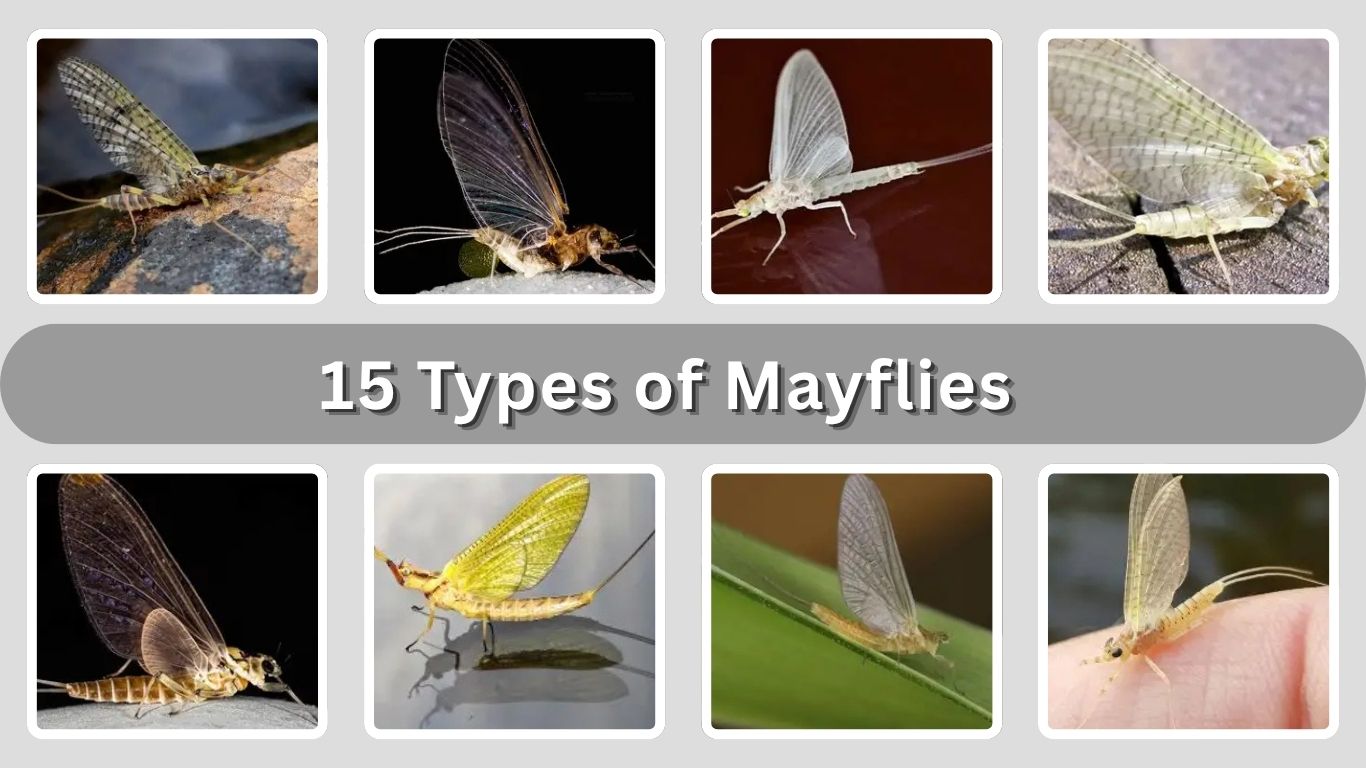
Mayflies are delicate aquatic insects known for their transparent wings, long tails, and remarkably short adult lives. More than 3,000 species occur worldwide, primarily around … Read More