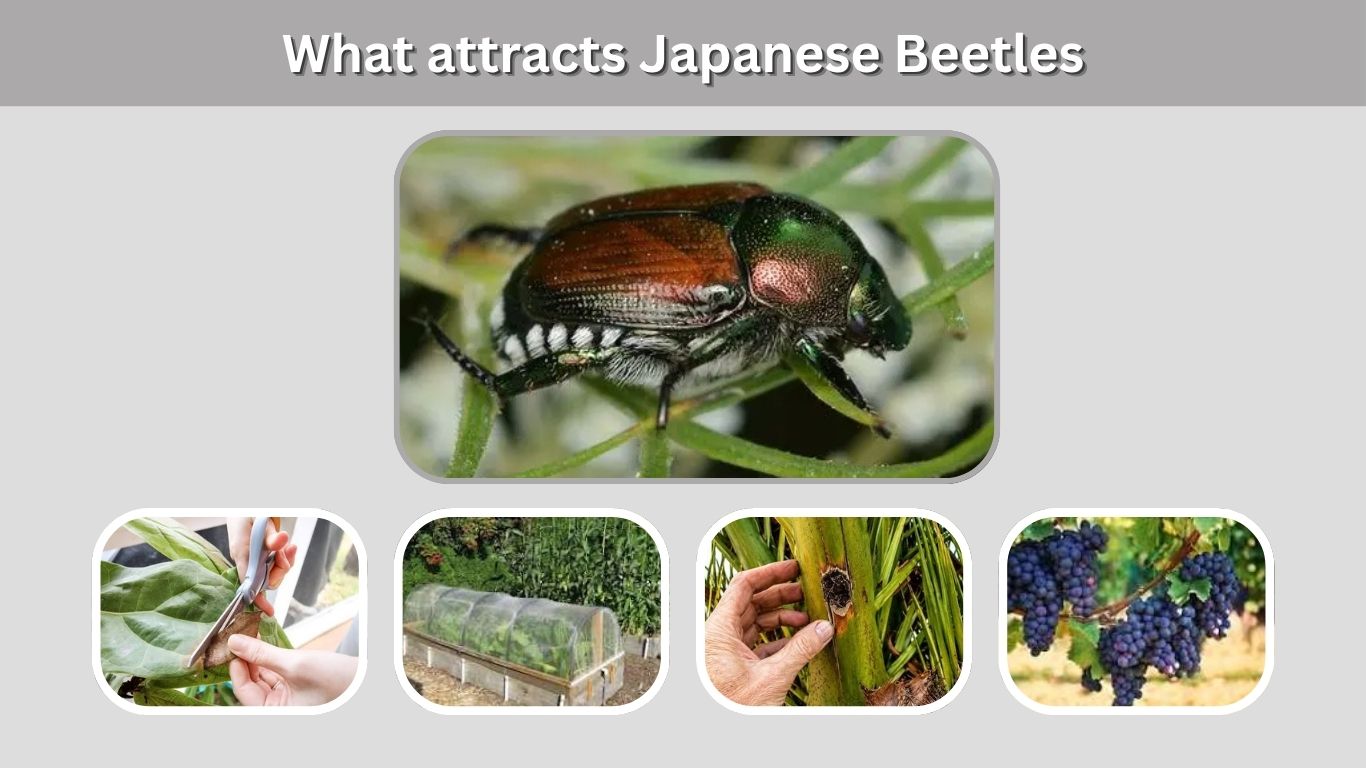
Japanese beetles are attracted to certain plants, warm sunny feeding areas, damaged leaves, floral scents, mating pheromones, and moist grassy soil where females can lay eggs. They often gather in groups, so a few beetles on roses, grapes, or fruit trees can quickly turn into a larger feeding cluster. Understanding what attracts Japanese beetles helps you choose better plants, avoid trap mistakes, and reduce beetle pressure in your yard.
What Attracts Japanese Beetles Most?
Japanese beetles are attracted by a mix of food, scent, sunlight, and reproduction. Adults feed on leaves, flowers, and fruit, while females also look for suitable soil where their eggs can hatch into root-feeding grubs. University of Minnesota Extension notes that adult Japanese beetles feed on more than 300 plant species, and beetle-damaged leaves release odors that attract more beetles to the same plant.
Main Things That Attract Them
- Roses, grapes, linden, crabapple, cherry, plum, birch, elm, raspberry, basil, Virginia creeper, hollyhock, marigold, corn silk, and soybean
- Damaged leaves that release attractive plant odors
- Warm, sunny plant surfaces
- Flowers and overripe or wounded fruit
- Female sex pheromones
- Moist grassy soil for egg laying
- Japanese beetle traps placed too close to gardens
What Plants Attract Japanese Beetles?
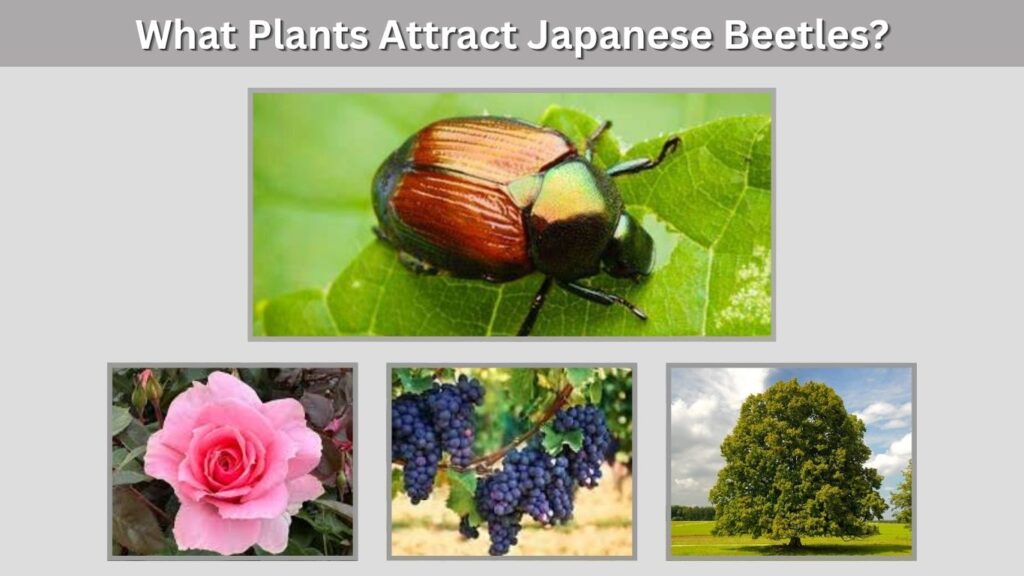
Japanese beetles are especially attracted to plants with tender leaves, fragrant flowers, or fruit. University of Maryland Extension says adult beetles feed on more than 275 plant species, especially plants in the rose family.
| Highly Attractive Plants | Plant Type |
| Rose | Flowering shrub |
| Grape | Vine/fruit |
| Linden | Tree |
| Apple and crabapple | Fruit/ornamental tree |
| Cherry and plum | Fruit tree |
| Raspberry | Fruit cane |
| Birch | Tree |
| Elm | Tree |
| Hollyhock | Flower |
| Rose of Sharon | Flowering shrub |
| Virginia creeper | Vine |
| Basil | Herb |
Why Roses Attract Japanese Beetles
Roses are one of the most common Japanese beetle targets because beetles feed on both flowers and leaves. They chew petals and skeletonize foliage, giving leaves a lace-like look. Missouri Extension lists rosebushes, rose of Sharon, and hollyhocks among their favored plants.
What Scent Attracts Japanese Beetles?
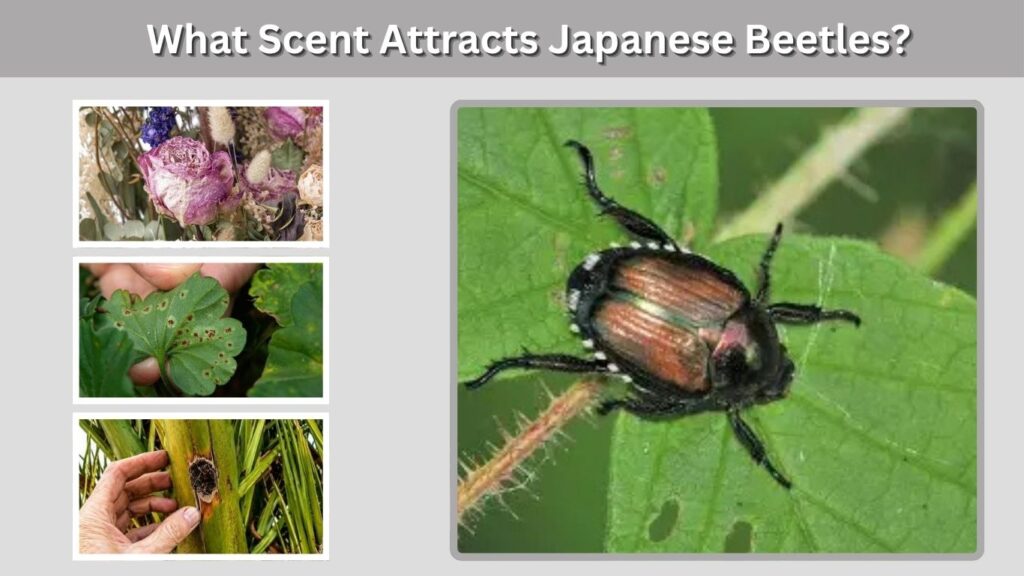
Japanese beetles are attracted to odors from damaged leaves, floral scents, and pheromones. When beetles feed on a plant, the damaged leaves can release airborne chemicals that draw in more beetles. This is why beetles often cluster on one plant while a nearby plant may have fewer beetles.
Beetle Scents and Signals
- Damaged leaf odor: attracts more feeding beetles
- Floral scent: draws beetles to flowers and traps
- Sex pheromone: virgin females attract males for mating
- Fruit odor: overripe or wounded fruit can attract feeding adults
This scent-based behavior explains why early removal is useful. Removing the first beetles can reduce feeding damage and reduce the odor signals that bring more beetles.
What Attracts Japanese Beetles to Your Yard?
A yard becomes more attractive when it has favorite host plants, sunny feeding areas, and moist turfgrass soil. Missouri Extension notes that Japanese beetles are most active on warm, sunny days and prefer plants in direct sunlight. It also notes that they like grassy areas with moist soil.
Yard Conditions That Invite Them
- Many preferred plants in one area
- Roses or grapes growing in full sun
- Irrigated lawns during egg-laying season
- Overripe fruit left on trees or ground
- Existing beetle damage on leaves
- Beetle traps placed near plants
Female beetles lay eggs in soil, and the larvae later feed on grass roots. That means a yard with attractive adult food and moist turf can support both adult beetles and grubs.
Do Japanese Beetle Traps Attract More Beetles?
Yes, Japanese beetle traps can attract more beetles than they catch when used poorly. Traps use floral attractants and sex pheromones. University of Minnesota Extension says home gardeners should not use Japanese beetle traps because they may attract more insects to the yard, and research showed more beetles fly toward traps than are caught.
Trap Problem
University of Maryland Extension also warns that single traps can attract beetles from the neighborhood and concentrate damage near the trap site. It reports a 31–40% increase in adjacent plant damage when traps were used close to susceptible plants.
If traps are used for monitoring, they should be placed far away from valuable plants, not beside roses, grapes, fruit trees, or vegetable gardens.
What Trees Attract Japanese Beetles?
Japanese beetles are commonly attracted to linden, apple, crabapple, cherry, plum, birch, and elm. These trees can suffer visible skeletonized leaves, especially in summer when beetles are actively feeding.
Trees That Often Attract Them
| Attractive Trees | Less-Preferred Trees |
| Linden | Red maple |
| Apple | Magnolia |
| Crabapple | Oak |
| Cherry | Dogwood |
| Plum | Redbud |
| Birch | Pine |
| Elm | Spruce |
| Japanese maple | Boxwood |
USDA APHIS lists several plants resistant to adult Japanese beetle feeding, including red maple, boxwood, hickory, redbud, dogwood, magnolia, spruce, pine, northern red oak, lilac, yew, arborvitae, and hemlock.
What Flowers Attract Japanese Beetles?
Japanese beetles often attack flowers with soft petals and strong visual or scent appeal. Roses, hollyhocks, hibiscus, rose of Sharon, and marigolds are common targets. They may feed on petals, buds, and leaves, leaving ragged blooms and skeletonized foliage.
Flowers Less Likely to Attract Them
Some flowers and ornamentals are usually less damaged. University of Minnesota Extension lists plants usually not damaged by Japanese beetles, including clematis, chrysanthemum, daylily, geranium, common lilac, magnolia, red and silver maple, oak, redbud, rhododendron, and yew.
How to Make Your Yard Less Attractive
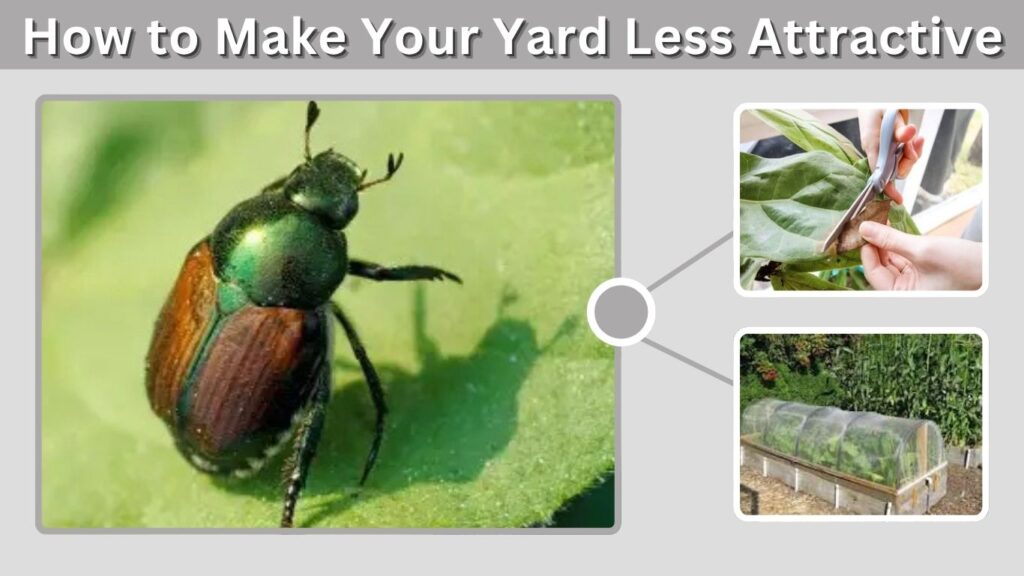
You may not remove Japanese beetles completely, but you can make your yard less inviting. The best strategy is to reduce favorite plants, remove beetles early, and avoid attracting them with traps.
Practical Prevention Tips
- Handpick beetles early in the morning into soapy water.
- Remove damaged leaves when practical.
- Do not place beetle traps near gardens.
- Pick up fallen or overripe fruit.
- Use netting on high-value plants after pollination.
- Replace heavily attacked plants with less-preferred choices.
- Avoid overwatering lawns during peak egg-laying if turf health allows.
University of Minnesota Extension recommends checking plants early and removing beetles because damaged leaves attract more beetles. It also notes that handpicking can be practical for smaller landscapes or a few plants.
Japanese Beetles vs Japanese Lady Beetles
Japanese beetles and Japanese lady beetles are not the same pest. “Japanese beetle” usually means the metallic green and copper scarab beetle that eats leaves and flowers. “Japanese lady beetle” is often confused with Asian lady beetles, which are ladybug-like insects attracted to light-colored buildings in fall, not roses and grape leaves.
FAQs
What are Japanese beetles most attracted to?
Japanese beetles are most attracted to roses, grapes, linden, crabapple, cherry, plum, raspberry, hollyhock, Virginia creeper, and other preferred plants. They are also attracted to damaged leaf odors, floral scents, pheromones, sunny areas, and moist grassy soil.
What scent attracts Japanese beetles?
Japanese beetles are attracted to odors from beetle-damaged leaves, floral scents, and sex pheromones. Once beetles begin feeding, damaged leaves can release chemicals that attract more beetles, which is why they often gather in groups on the same plant.
What flowers attract Japanese beetles?
Roses, hollyhocks, hibiscus, rose of Sharon, and marigolds commonly attract Japanese beetles. They may chew petals and leaves, causing ragged flowers and skeletonized foliage. Choosing less-preferred flowers can reduce feeding pressure in the garden.
What trees attract Japanese beetles?
Japanese beetles often feed on linden, apple, crabapple, cherry, plum, birch, and elm. Less-preferred choices include red maple, dogwood, redbud, magnolia, pine, spruce, oak, lilac, yew, and arborvitae.
Do Japanese beetle traps attract more beetles?
Yes, traps can attract more beetles into your yard if placed near plants you want to protect. They use floral lures and pheromones, but many beetles may fly toward the trap and then feed on nearby plants instead.