
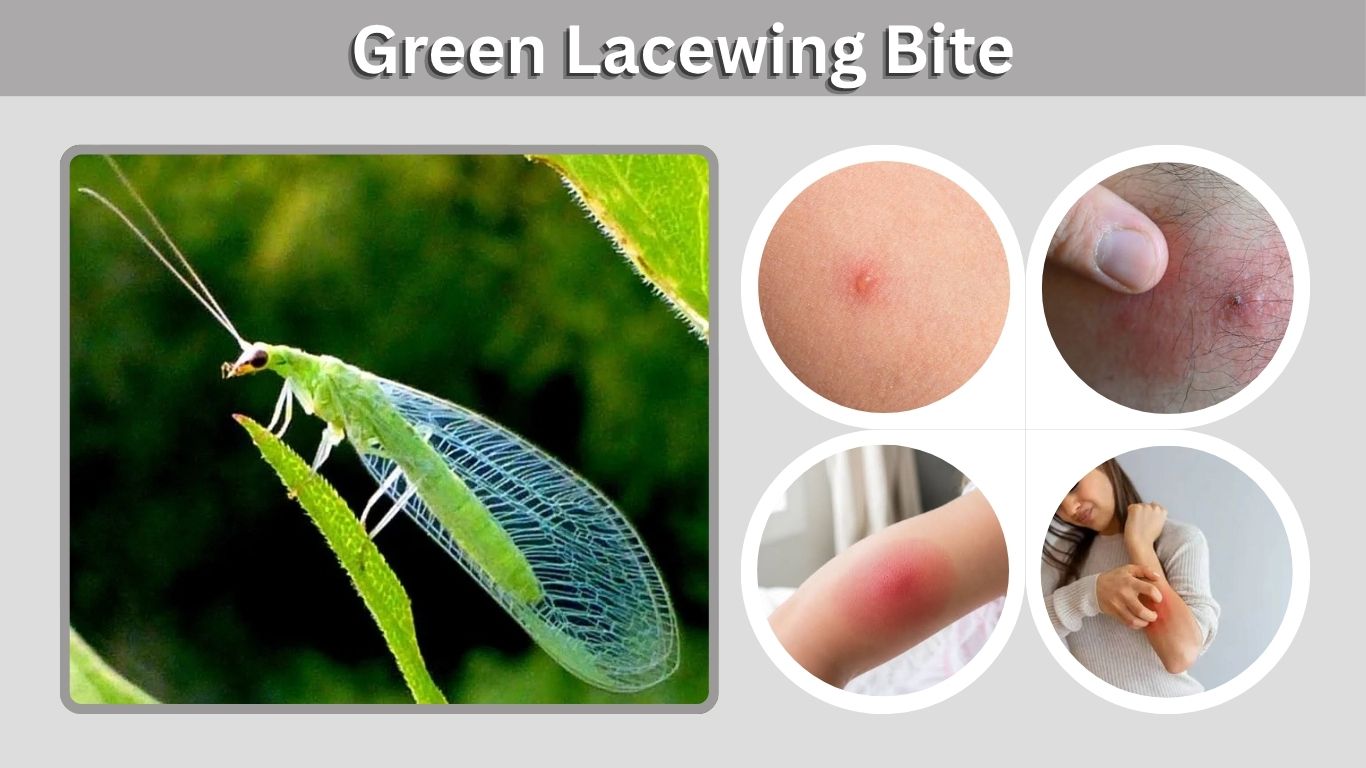
Green Lacewing Bite: Symptoms, Treatment & Risks
A green lacewing bite is uncommon, but it can happen when a lacewing larva comes into contact with human skin. Green lacewing larvae are beneficial … Read More
A green lacewing bite is uncommon, but it can happen when a lacewing larva comes into contact with human skin. Green lacewing larvae are beneficial … Read More
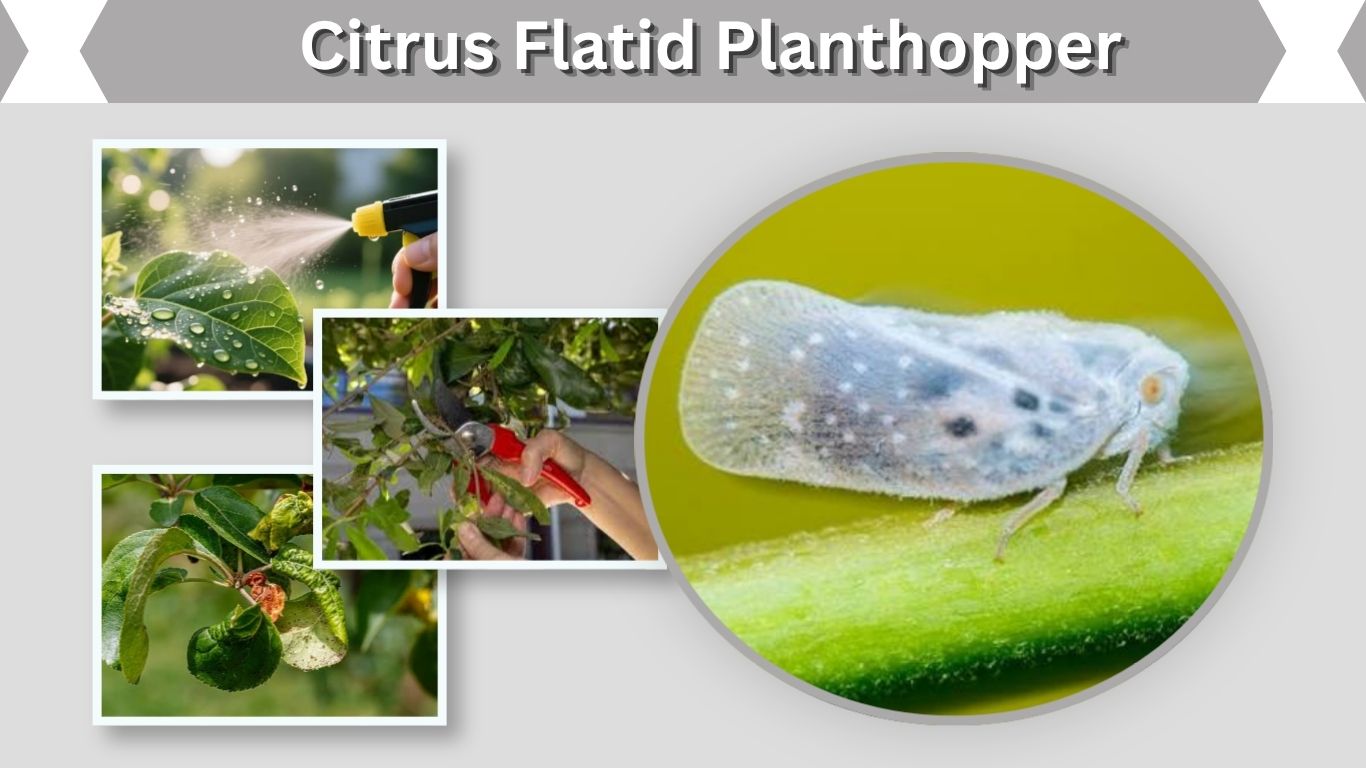
The citrus flatid planthopper is a small sap-feeding insect commonly found on citrus, fruit trees, shrubs, ornamentals, and many other plants. Its scientific name is … Read More
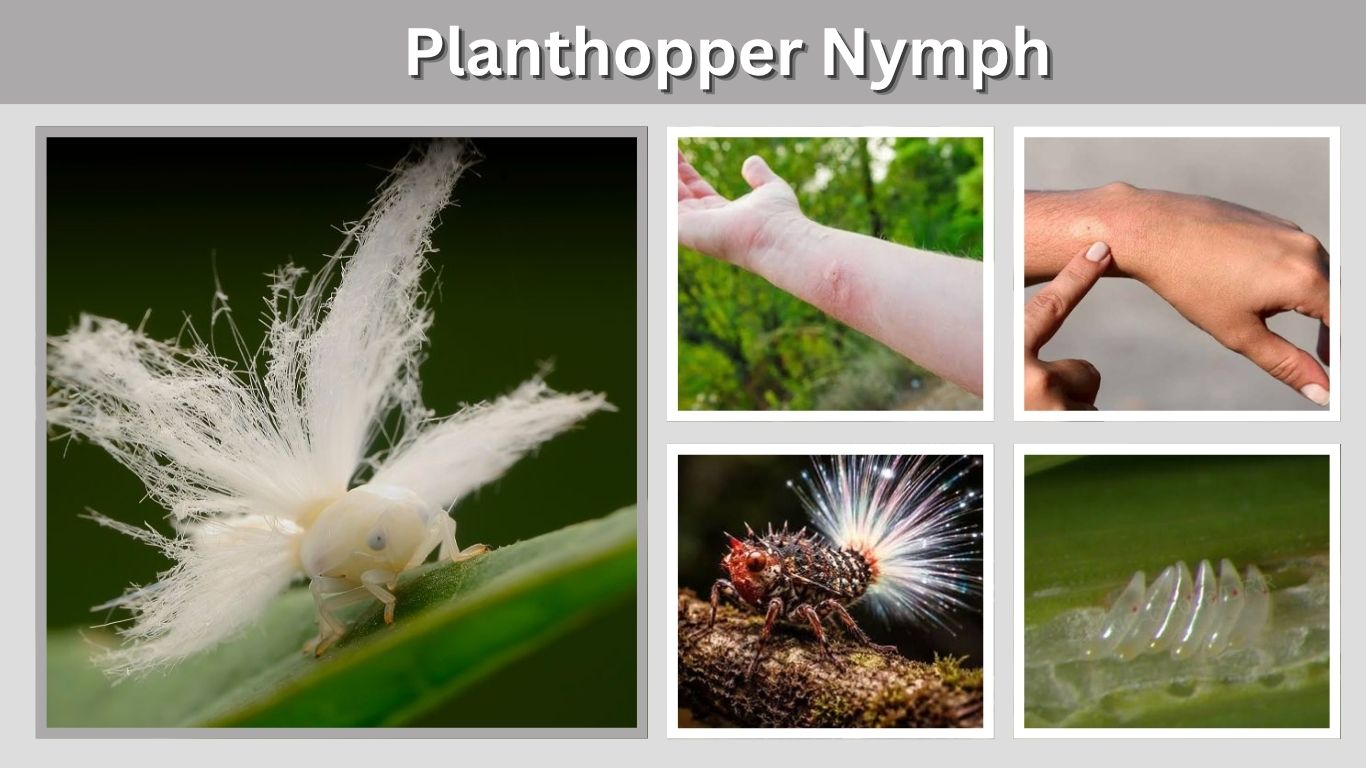
A planthopper nymph is the immature stage of a planthopper, a sap-feeding insect known for its powerful jumping ability. These tiny insects can look surprisingly … Read More
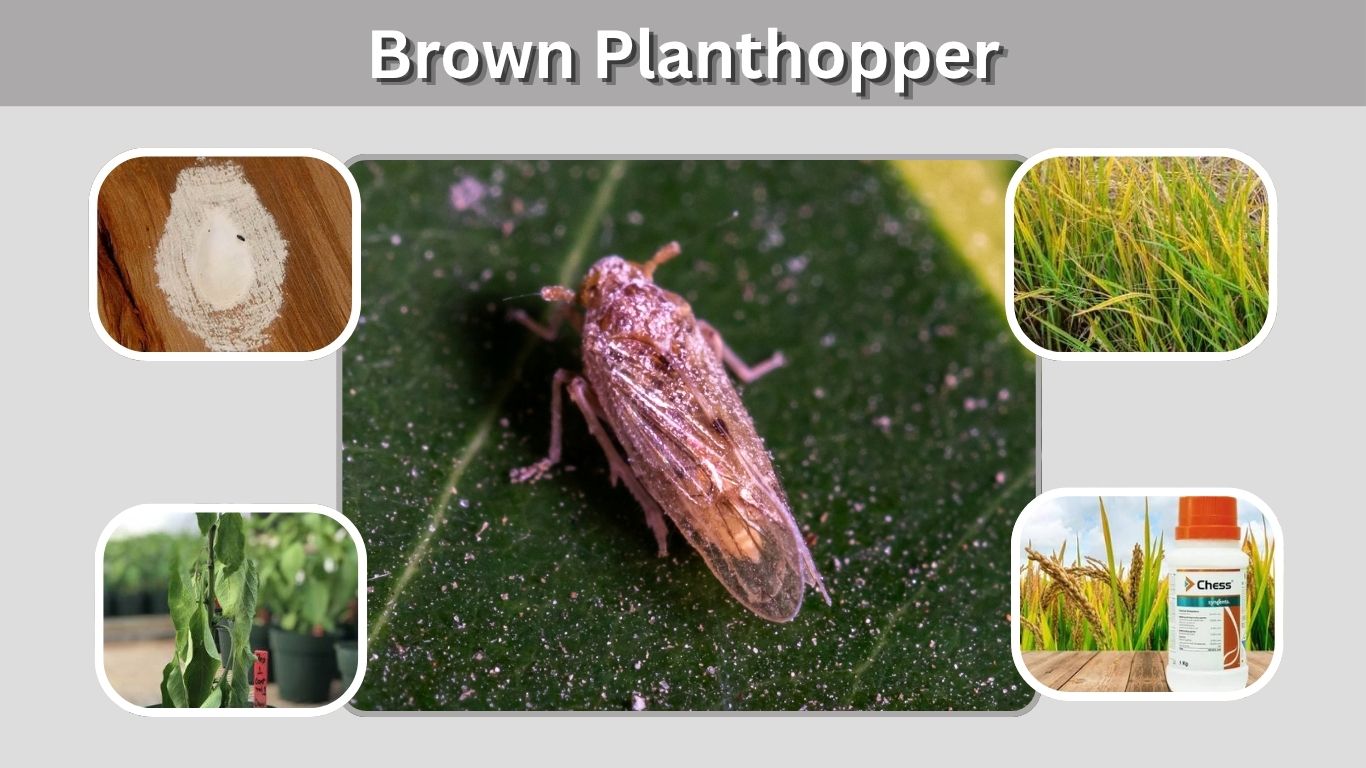
The brown planthopper (Nilaparvata lugens) is a small sap-feeding insect and one of the most important pests of rice in Asia. Both adults and nymphs … Read More
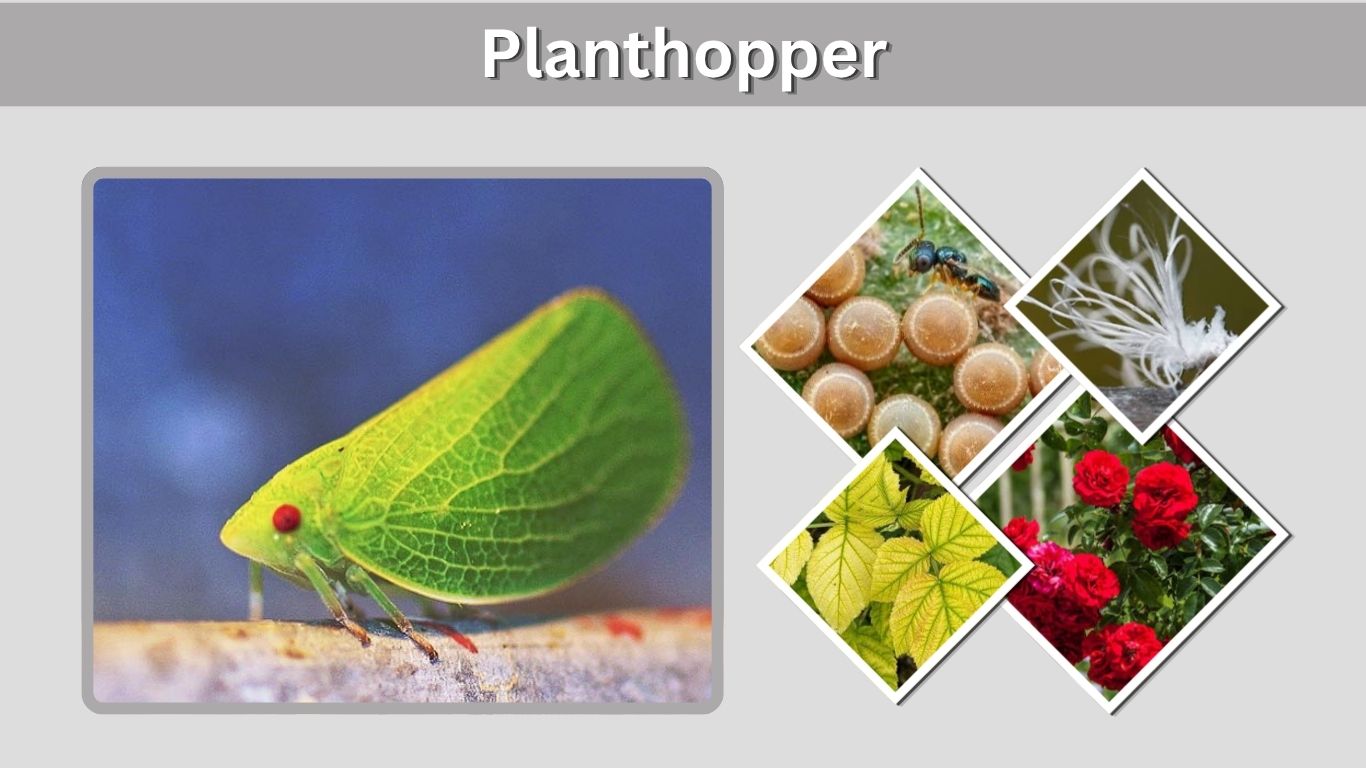
Planthoppers are small sap-feeding insects known for their impressive jumping ability, unusual shapes, and sometimes wax-covered nymphs. They occur on grasses, shrubs, trees, crops, and … Read More
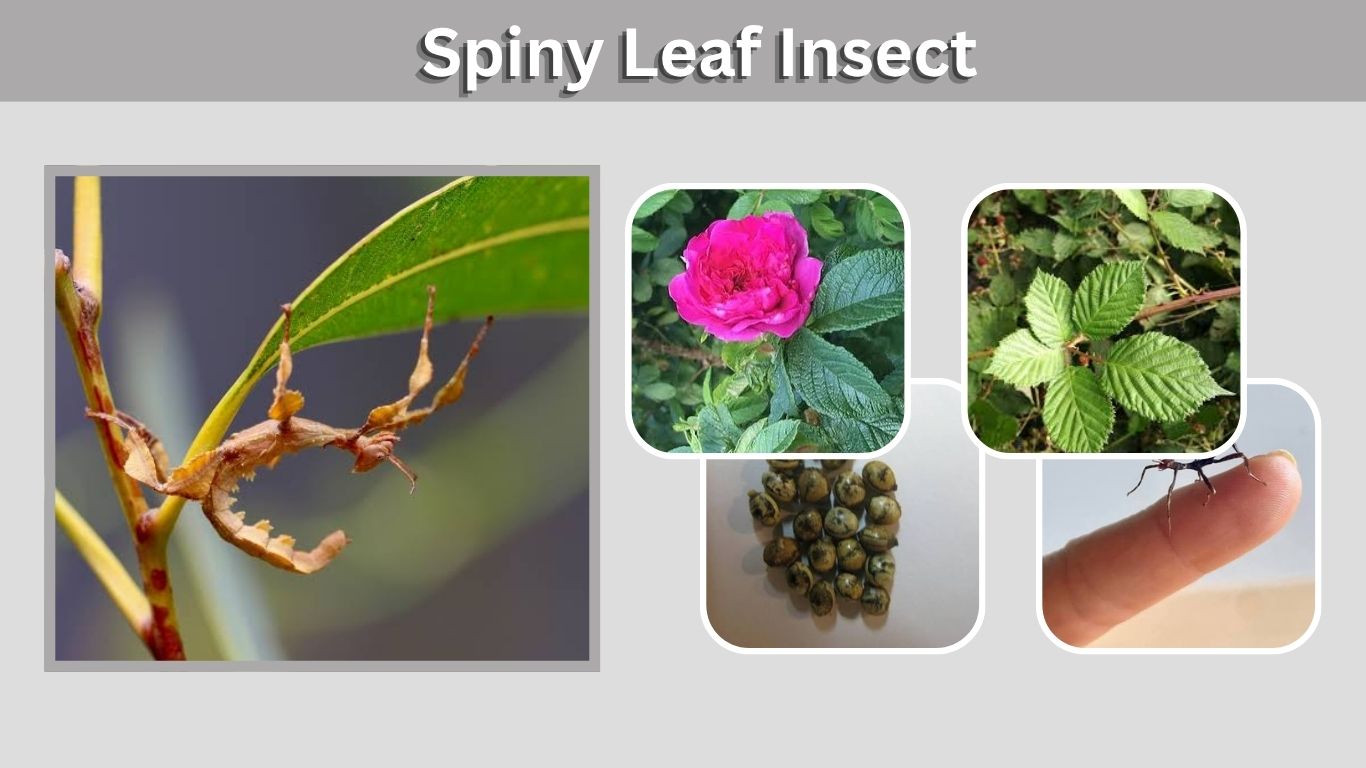
The spiny leaf insect is one of Australia’s most fascinating stick insects, famous for its leaf-like body, unusual spines, and impressive camouflage. Also known as … Read More
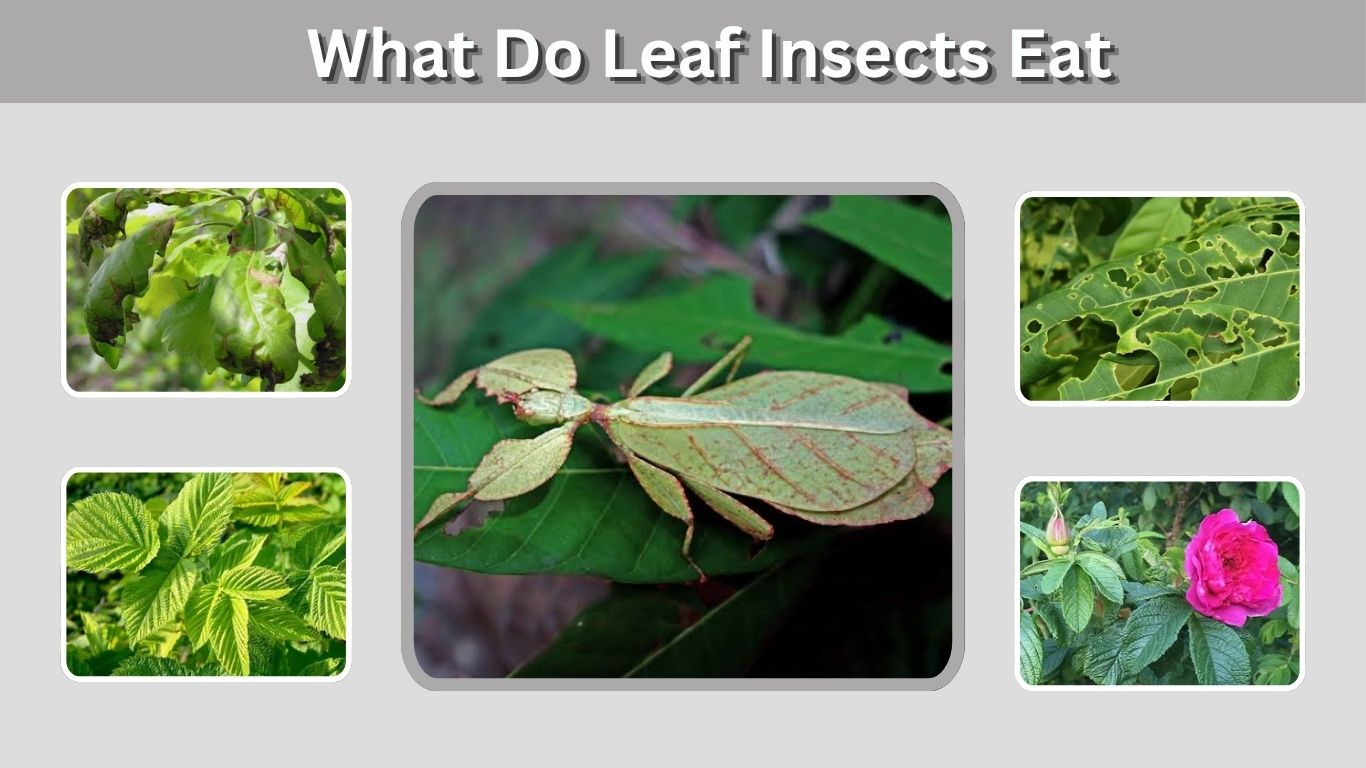
Leaf insects are herbivorous insects that survive mainly by eating fresh leaves from specific trees, shrubs, and garden plants. In captivity, they commonly feed on … Read More
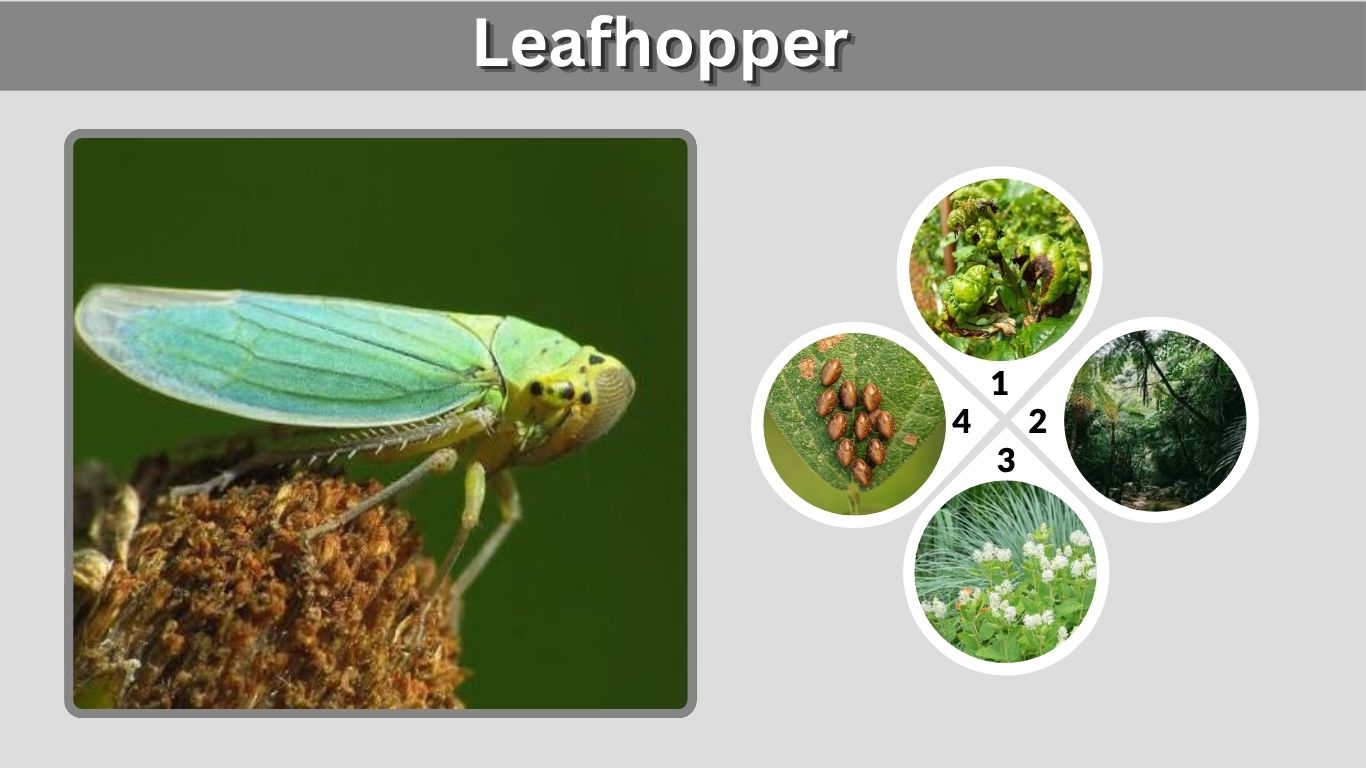
Leafhoppers are tiny, active insects commonly found on garden plants, crops, grasses, shrubs, and trees. Although their small size makes them easy to overlook, large … Read More
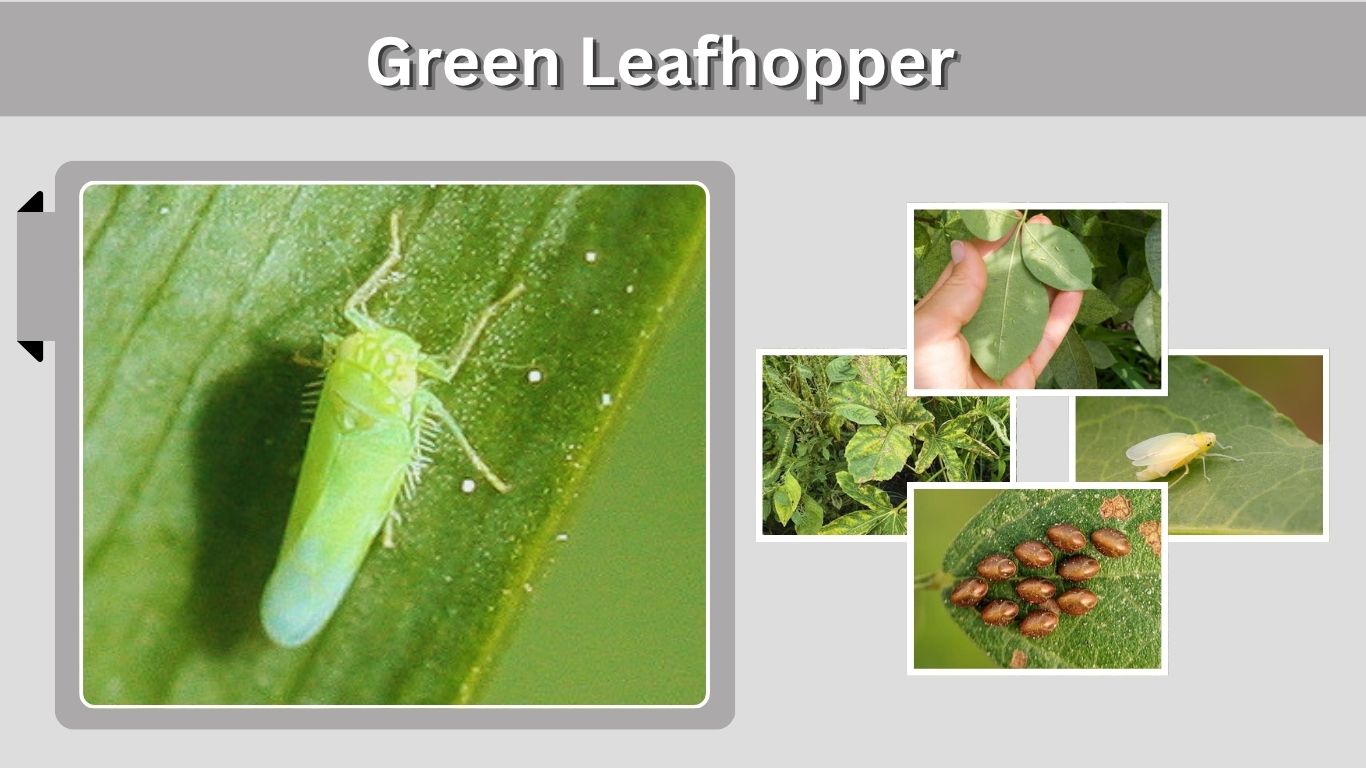
The green leafhopper is a small, active insect commonly found on grasses, garden plants, crops, and rice fields. Its bright green body helps it blend … Read More
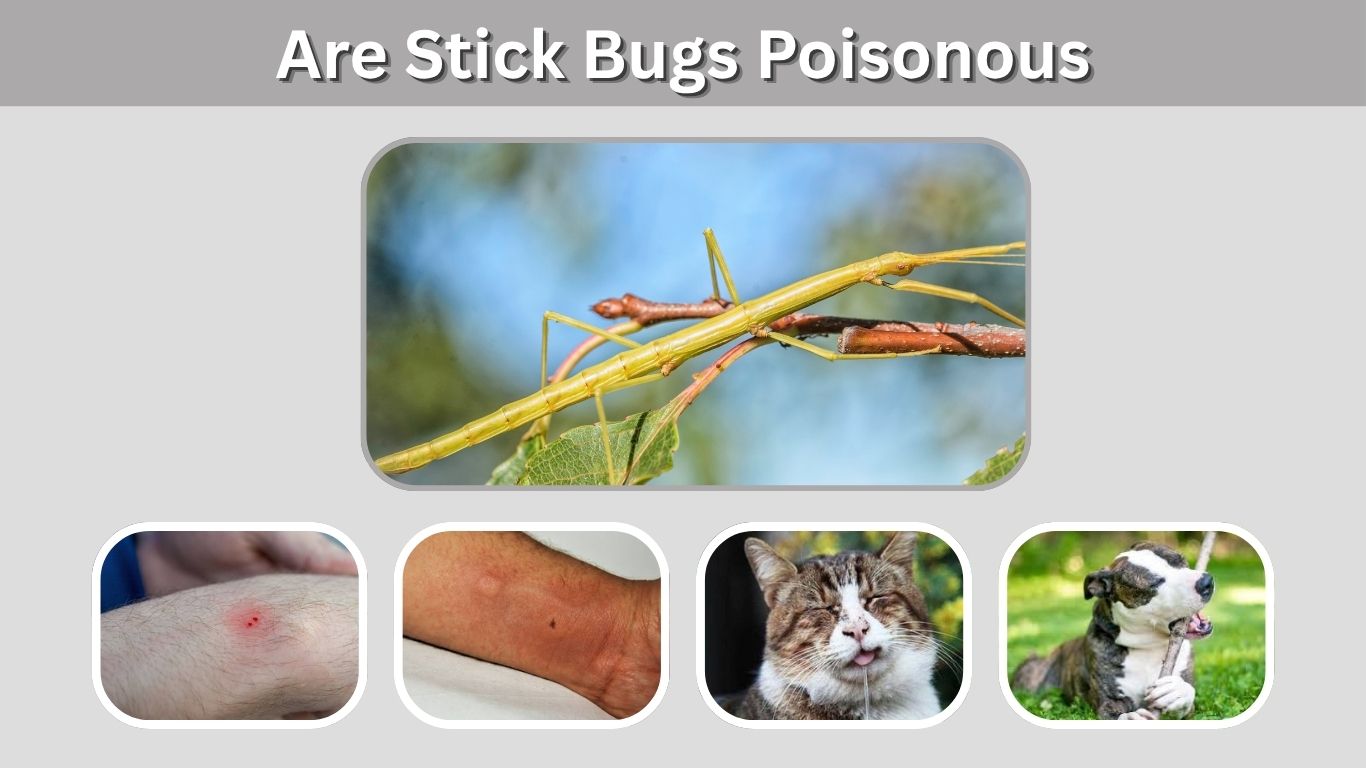
Stick bugs, also called walking sticks or stick insects, are famous for resembling twigs and branches. Despite their unusual appearance, most stick bugs are not … Read More