
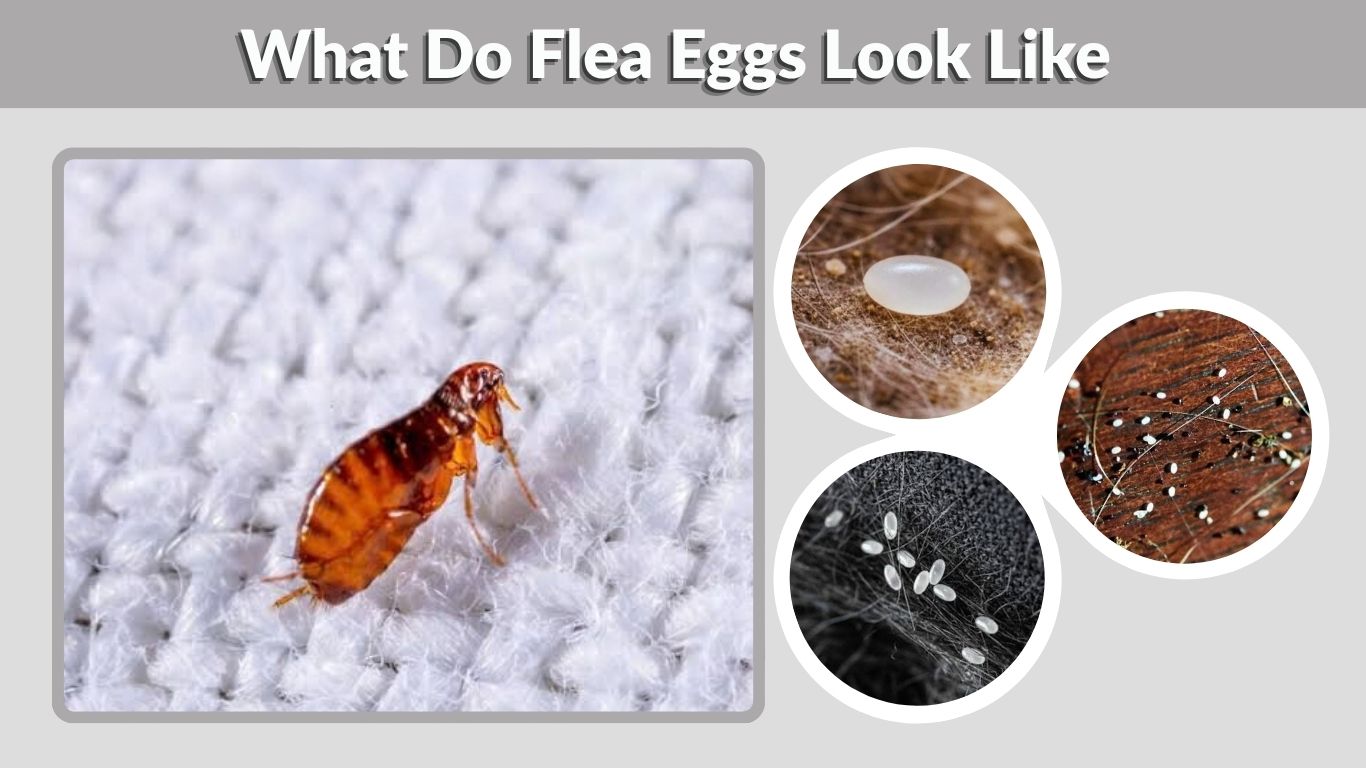
What Do Flea Eggs Look Like? Size, Color & Identification
Flea eggs look like tiny white or pearl-colored oval specks, usually measuring about 0.5 millimeters long. They are difficult to notice without close inspection, especially … Read More
Flea eggs look like tiny white or pearl-colored oval specks, usually measuring about 0.5 millimeters long. They are difficult to notice without close inspection, especially … Read More

Flea eggs are tiny, whitish, oval-shaped structures that can quickly lead to a household infestation if left undetected. Female fleas lay eggs on animals, but … Read More
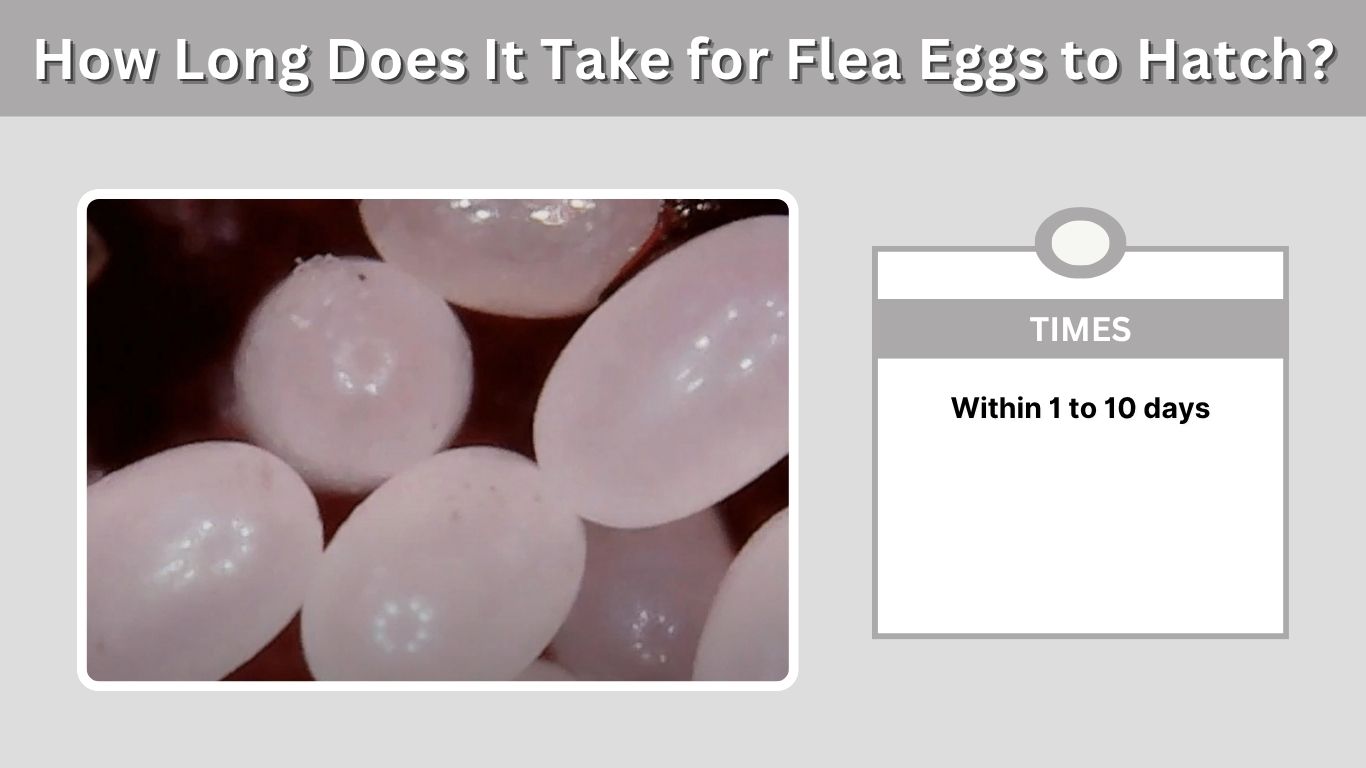
Flea eggs typically hatch within 1 to 10 days, depending on temperature, humidity, and environmental conditions. Under warm and humid conditions, most eggs hatch in … Read More
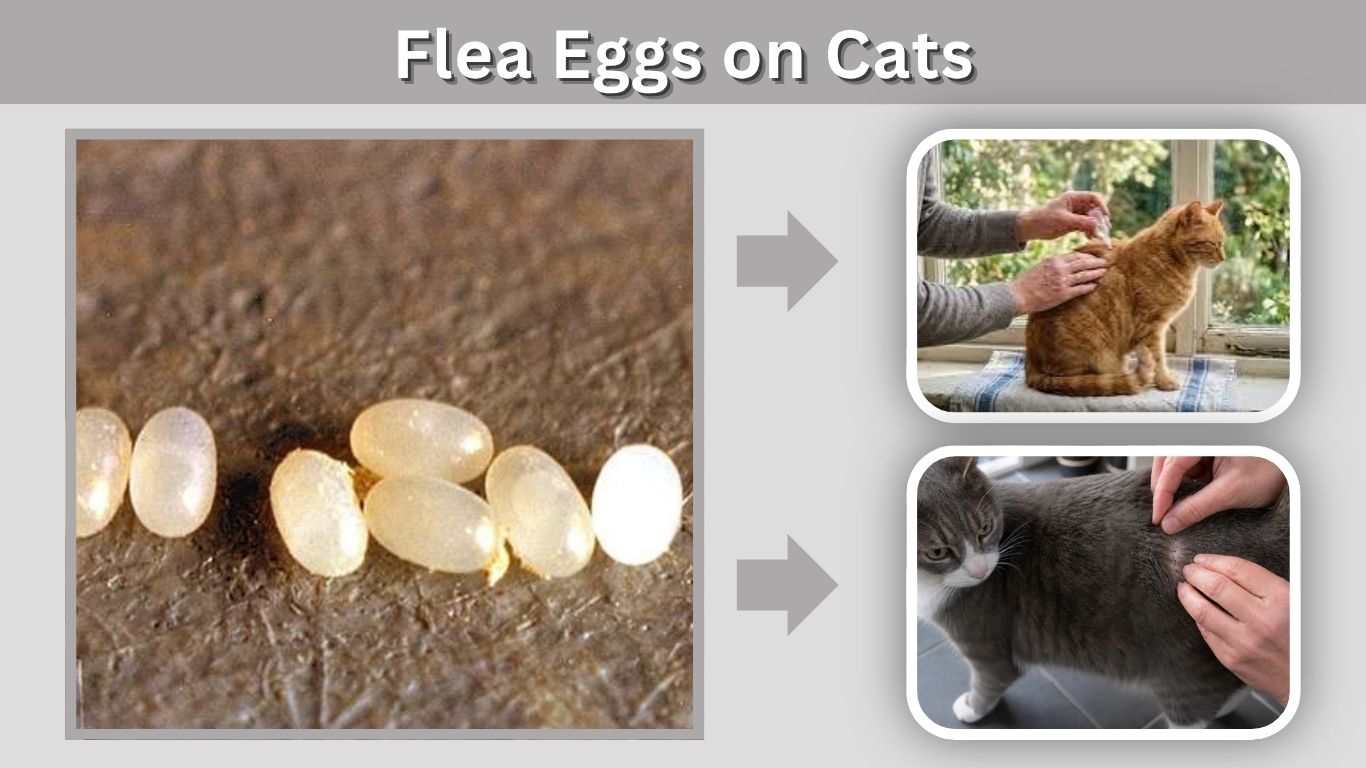
Flea eggs on cats are tiny, white, oval-shaped particles that can easily be mistaken for dandruff or dry skin. Although adult fleas live and feed … Read More
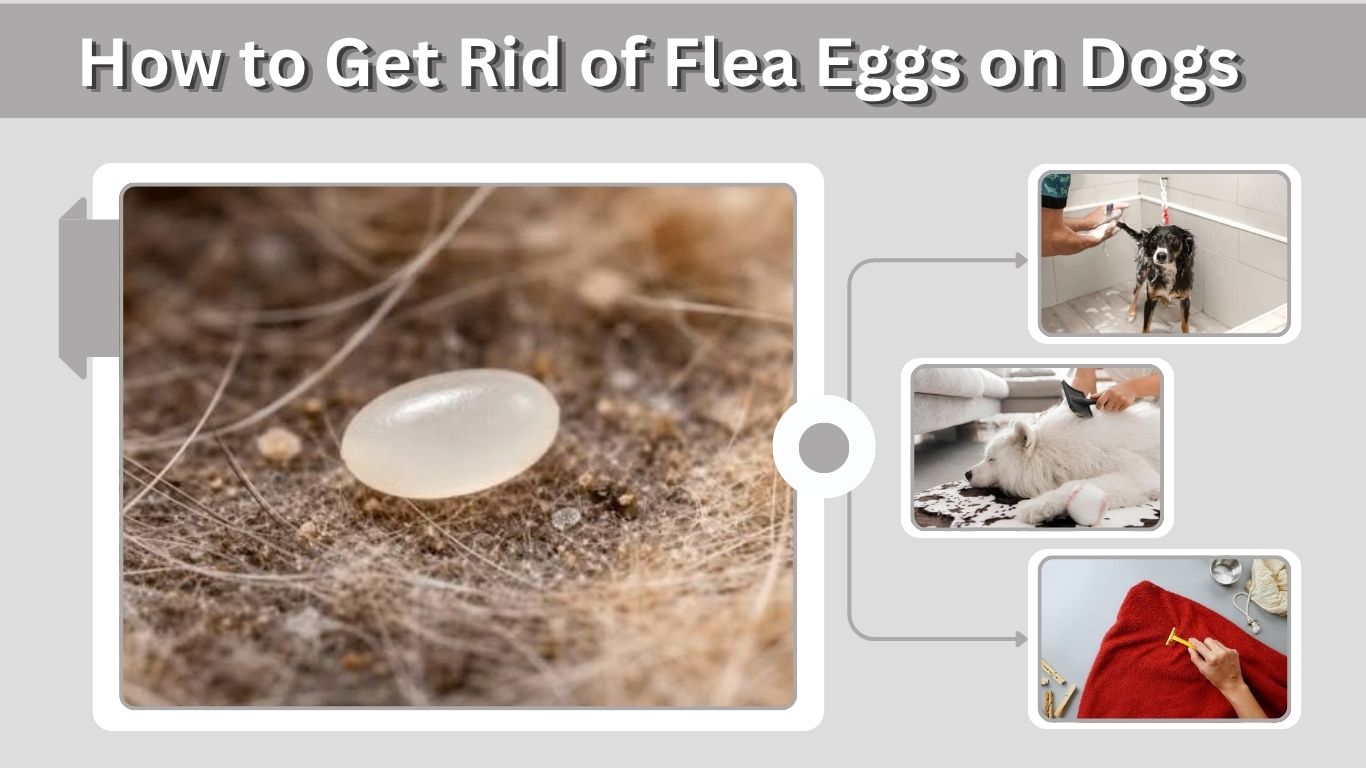
Flea eggs on dogs can quickly develop into a frustrating infestation if they are not properly managed. These tiny, white eggs are laid by adult … Read More
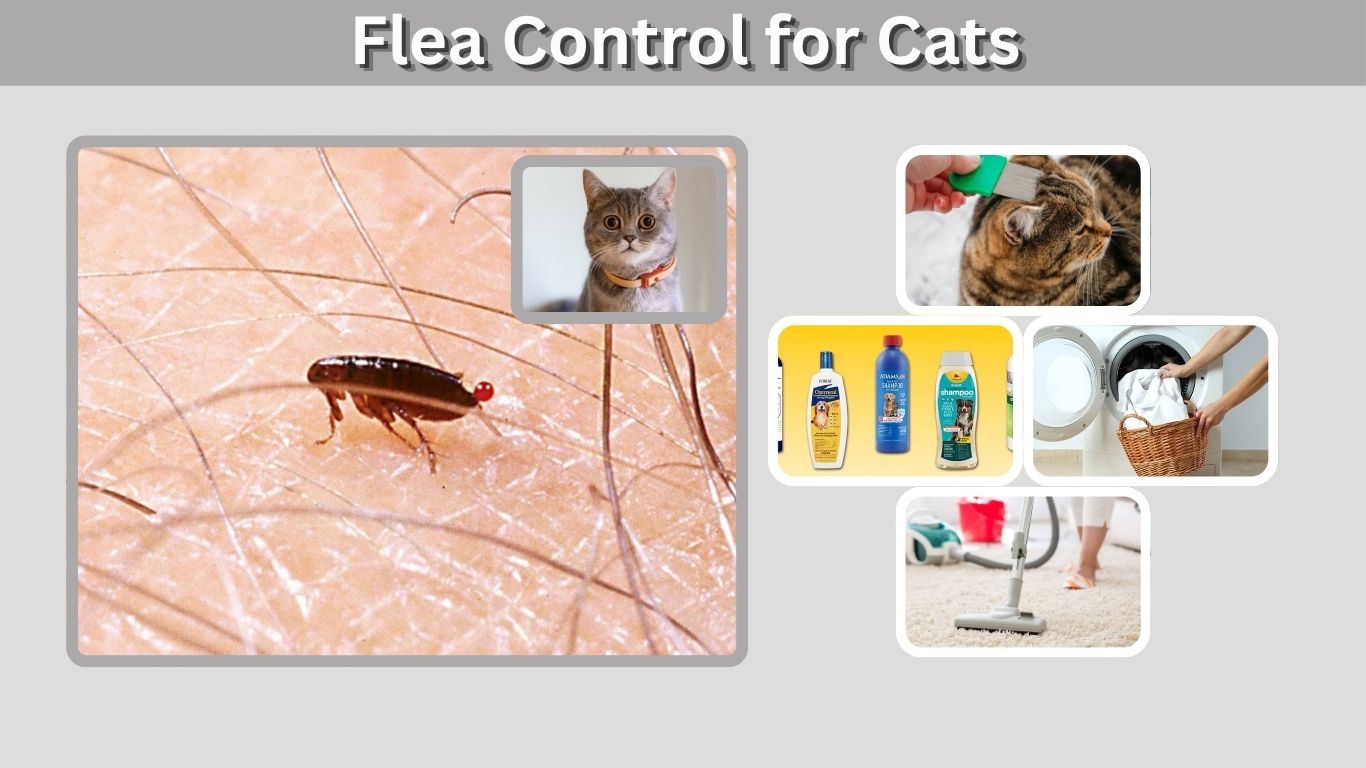
Fleas can cause far more than occasional scratching in cats. A persistent infestation may lead to irritated skin, flea allergy dermatitis, hair loss, infections, and … Read More
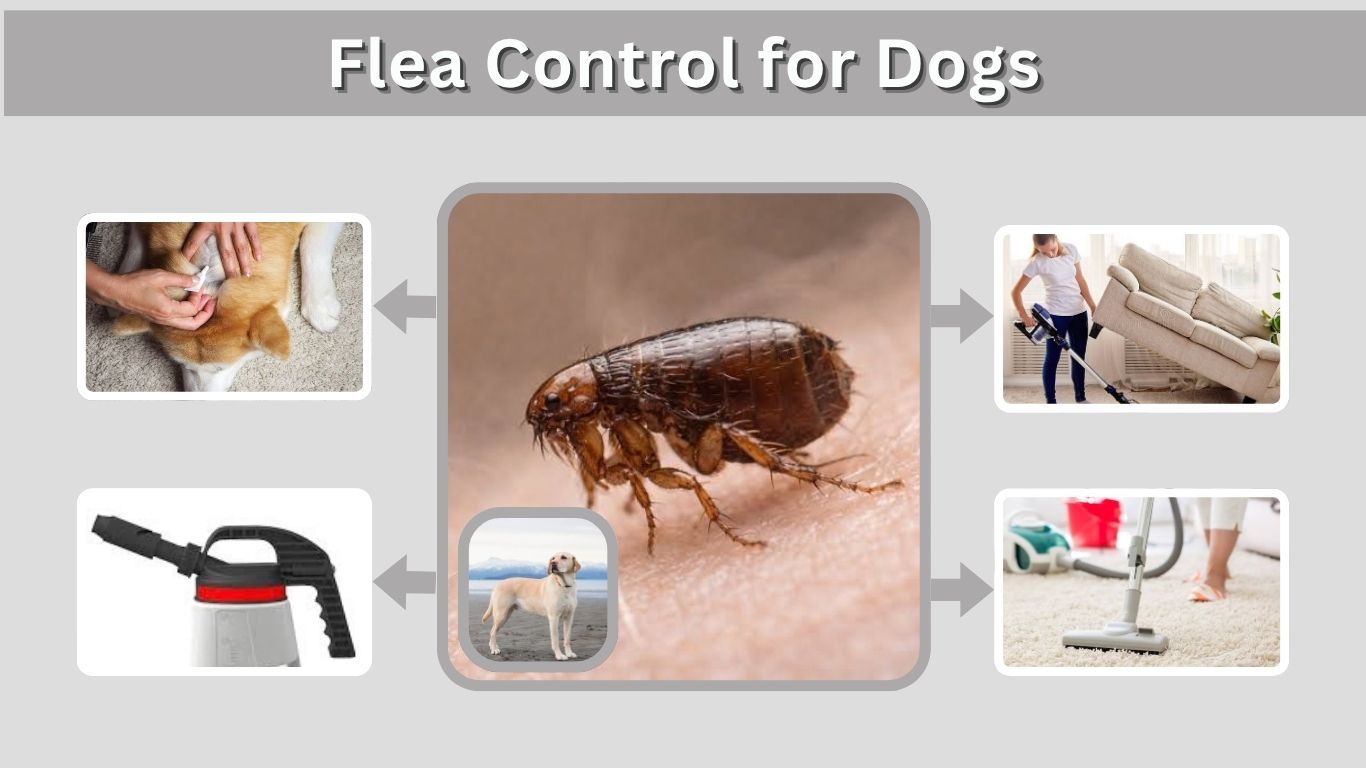
Fleas can make dogs miserable, causing constant scratching, irritated skin, hair loss, and sometimes more serious health problems. Effective flea control for dogs requires more … Read More
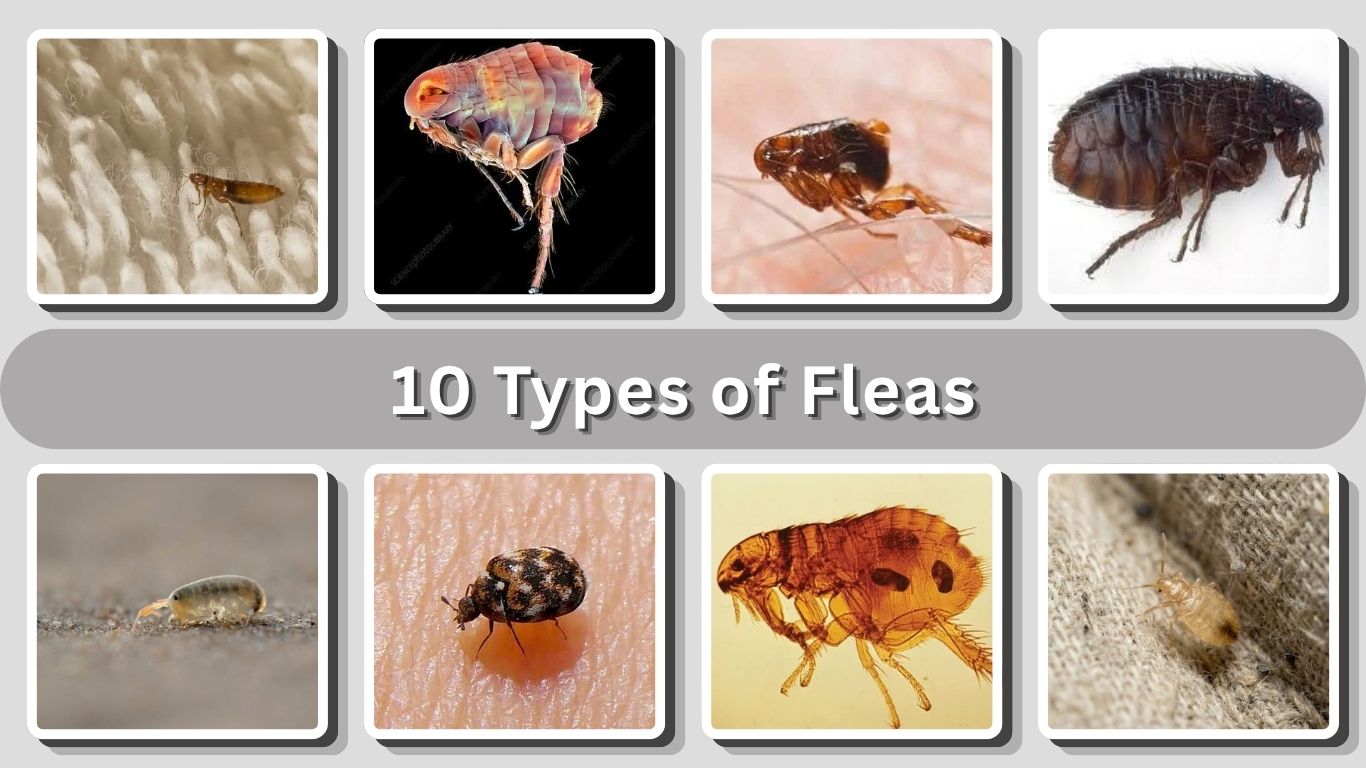
Fleas are tiny, wingless, blood-feeding insects that affect humans, pets, livestock, and wildlife. Although most fleas look similar, different species vary in size, appearance, habitat, … Read More
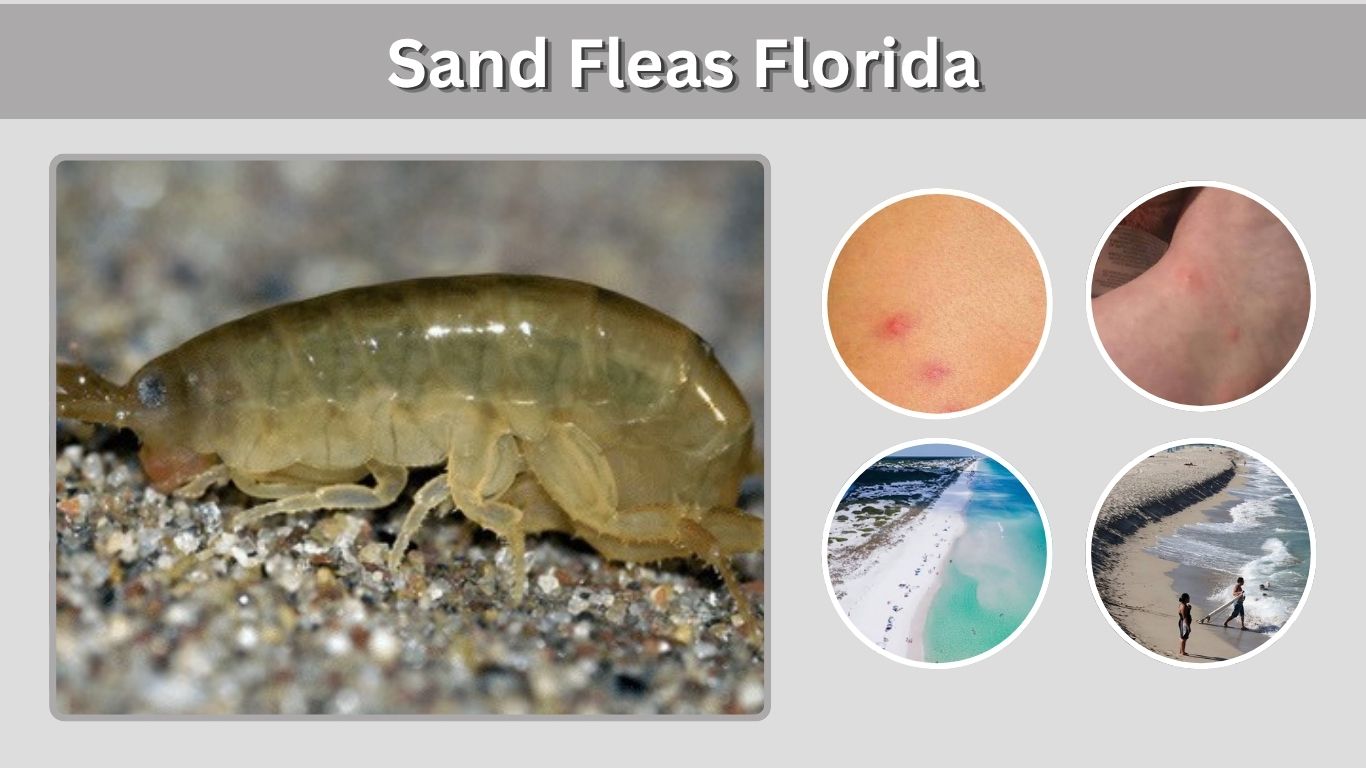
Sand fleas in Florida are common along sandy beaches, especially where waves repeatedly wash over the shoreline. These tiny crustaceans, also called mole crabs, live … Read More
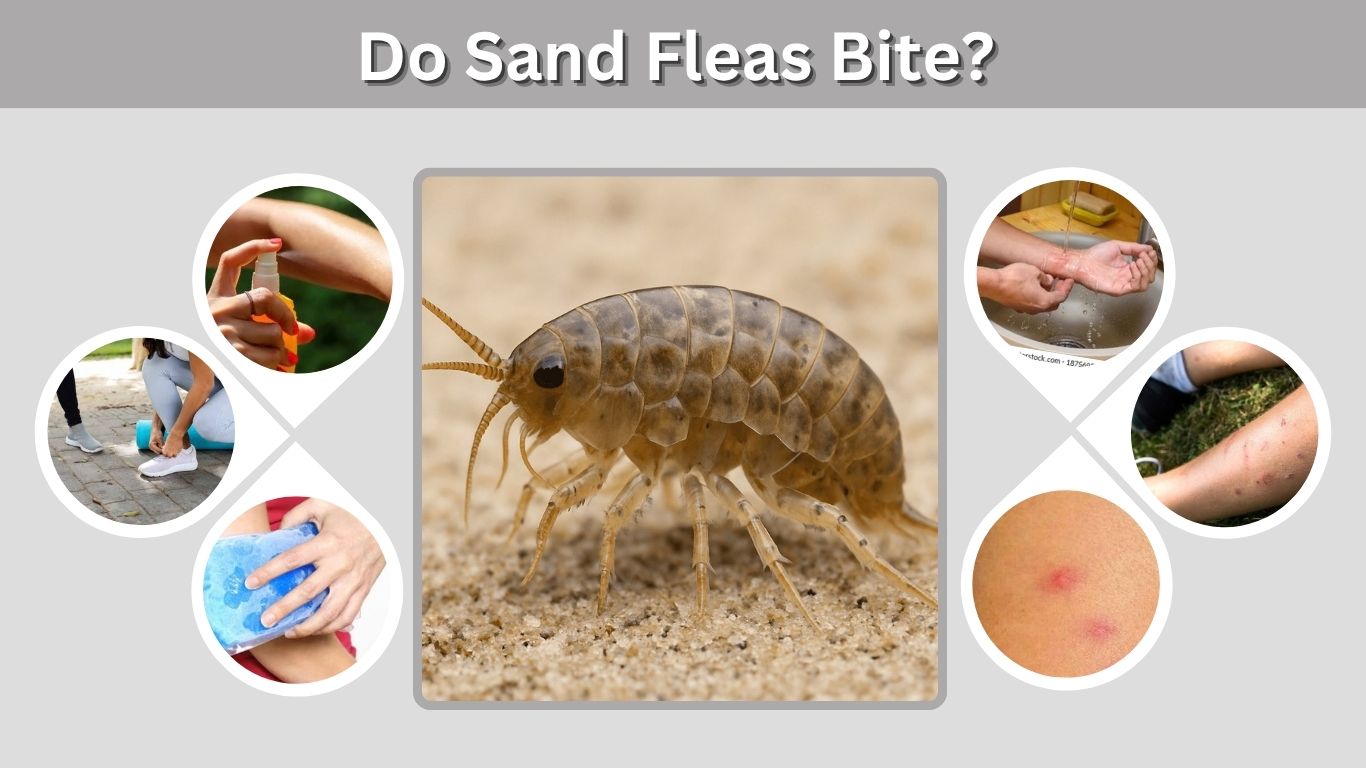
Do sand fleas bite humans, or are these tiny beach creatures harmless? The answer depends on what people mean by sand fleas. Some are harmless … Read More