
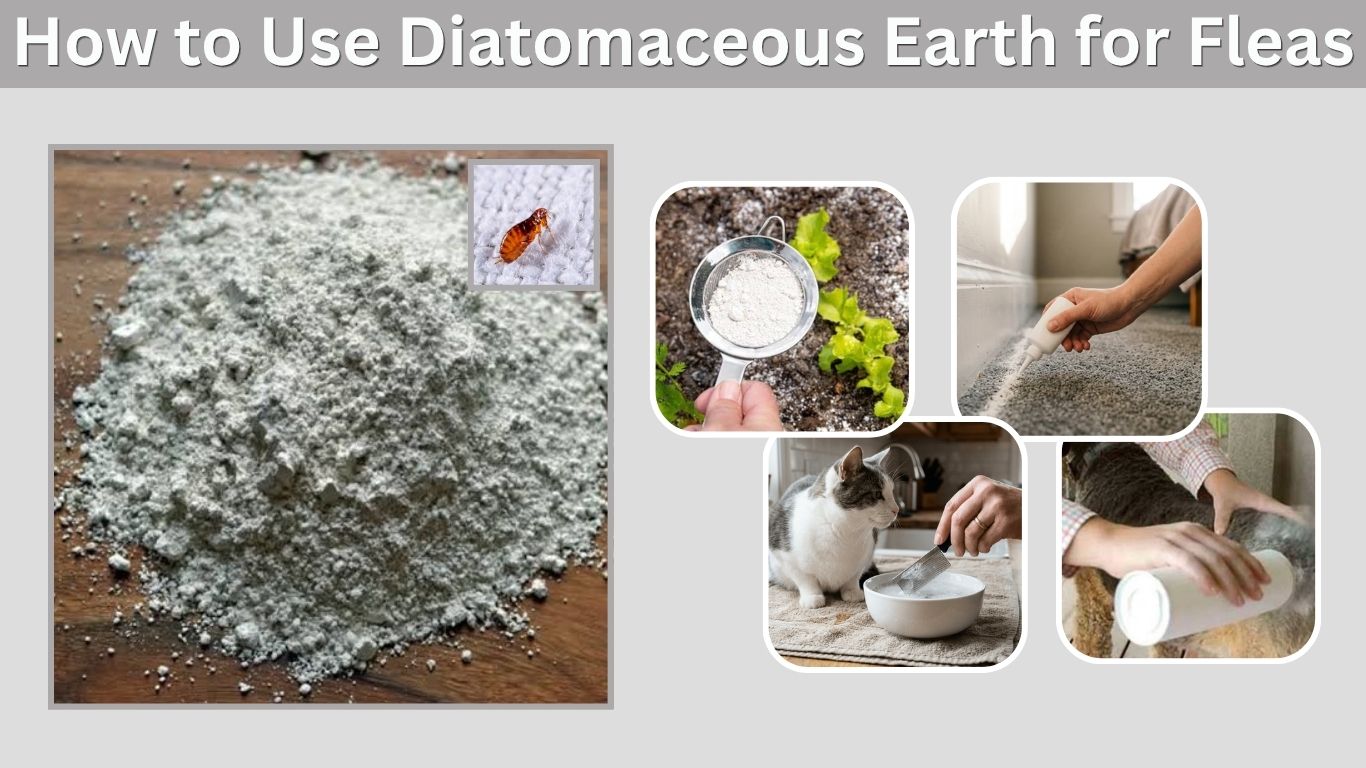
How to Use Diatomaceous Earth for Fleas: 7 Easy Steps
Fleas can quickly spread throughout your home, hiding in carpets, furniture, pet bedding, and small floor crevices. Many homeowners consider diatomaceous earth as a mineral-based … Read More
Fleas can quickly spread throughout your home, hiding in carpets, furniture, pet bedding, and small floor crevices. Many homeowners consider diatomaceous earth as a mineral-based … Read More

Fleas can turn a beautiful backyard into an uncomfortable place for pets and family members. These tiny, blood-feeding insects often hide in shaded grass, moist … Read More

Fleas can make dogs and cats uncomfortable, causing constant scratching, irritated skin, and sometimes allergic reactions. Many pet owners consider diatomaceous earth as a natural … Read More
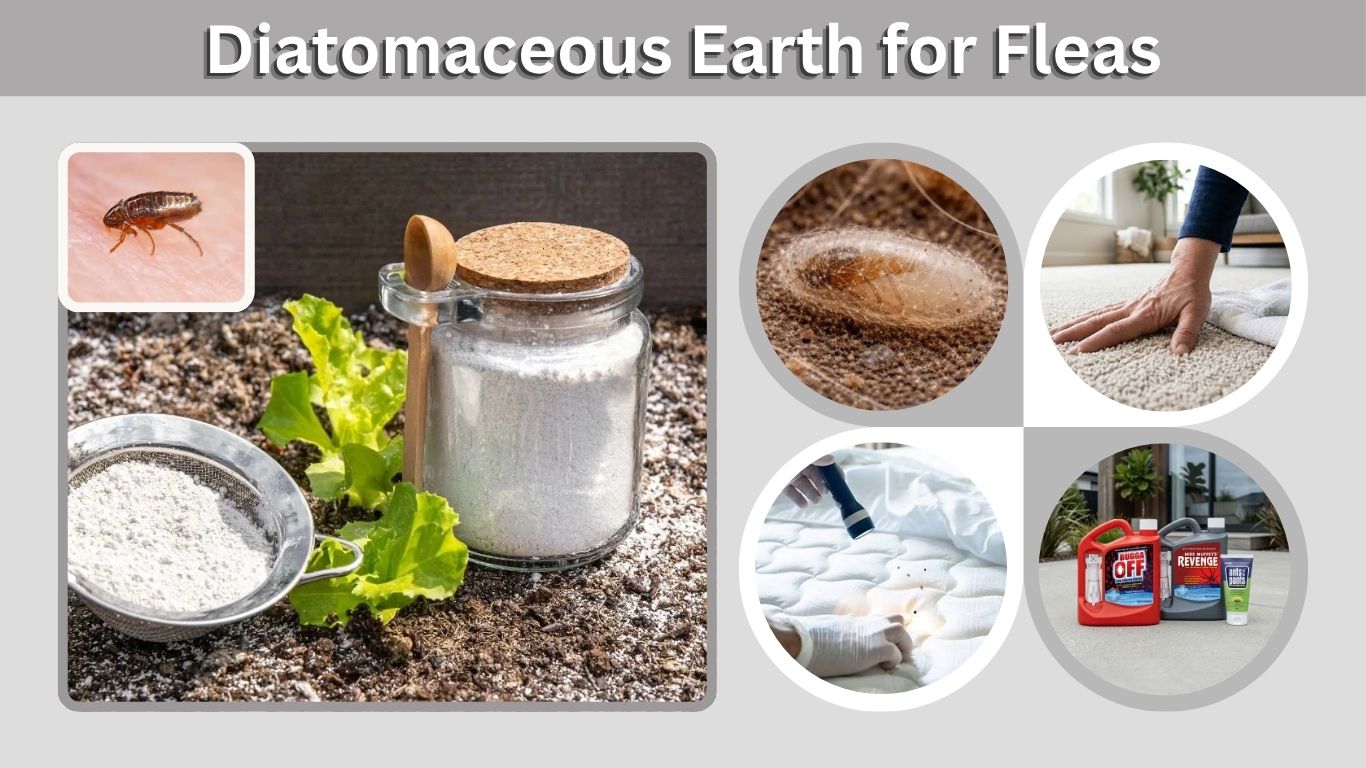
Fleas can quickly become a frustrating problem, especially when they spread through carpets, furniture, and pet bedding. Many homeowners consider diatomaceous earth for fleas because … Read More
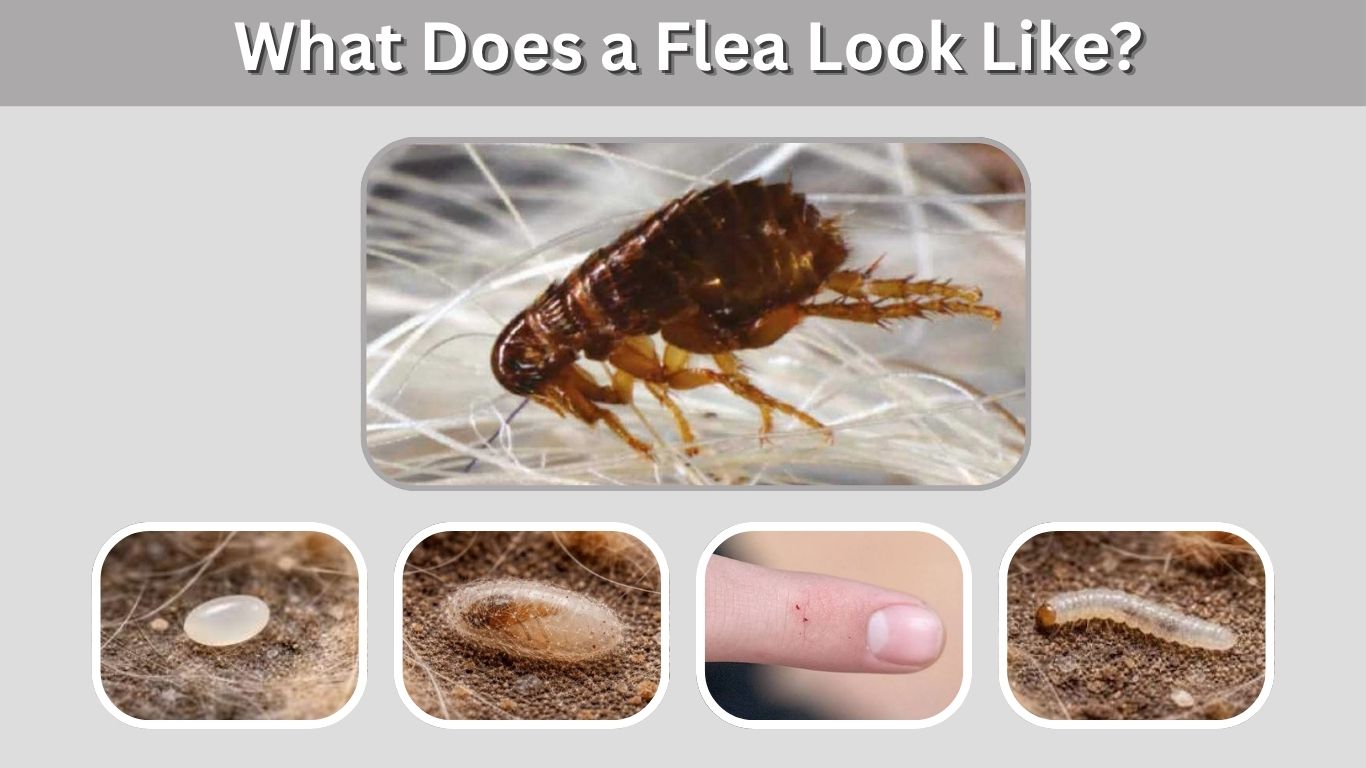
Have you noticed tiny, dark insects jumping around your home or hiding in your pet’s fur? You might be dealing with fleas, small blood-feeding parasites … Read More
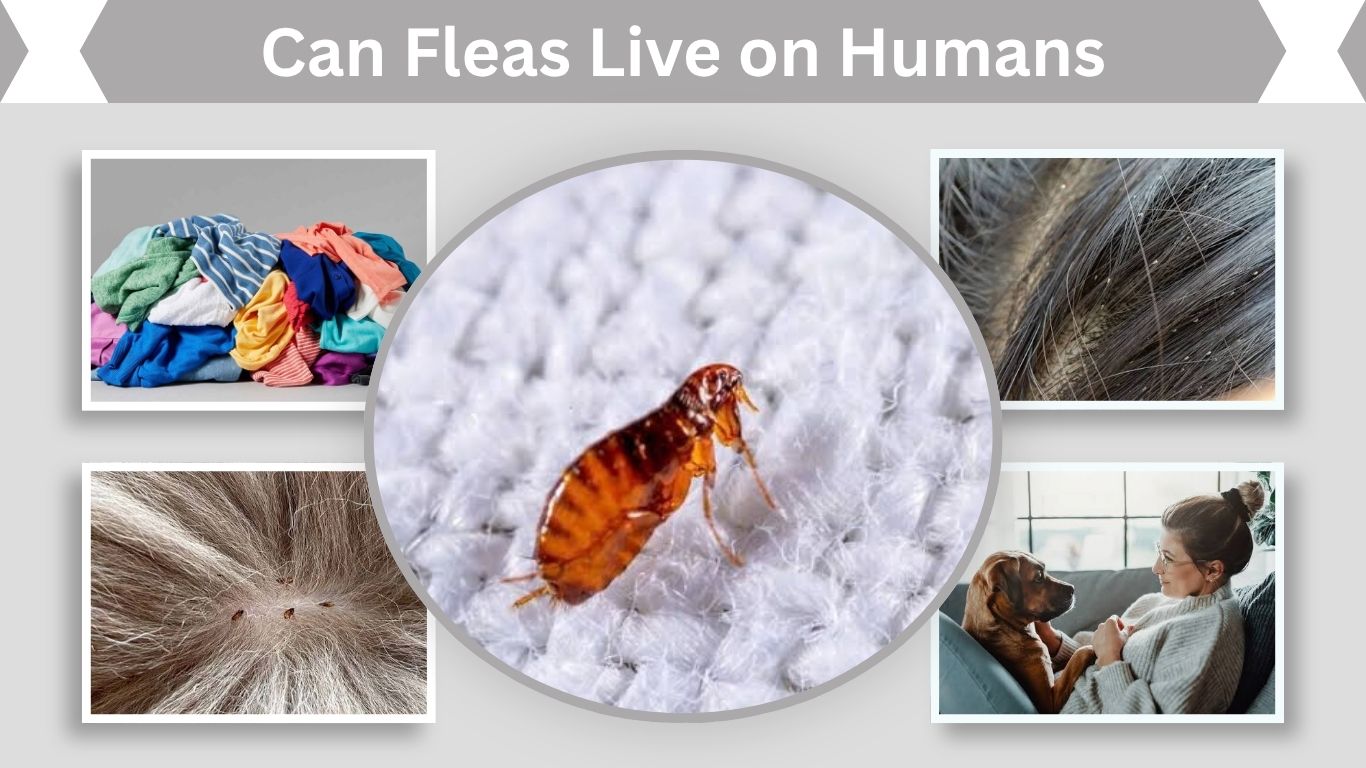
Can fleas live on humans? Fleas can bite people and feed on human blood, but common cat and dog fleas do not normally live permanently … Read More
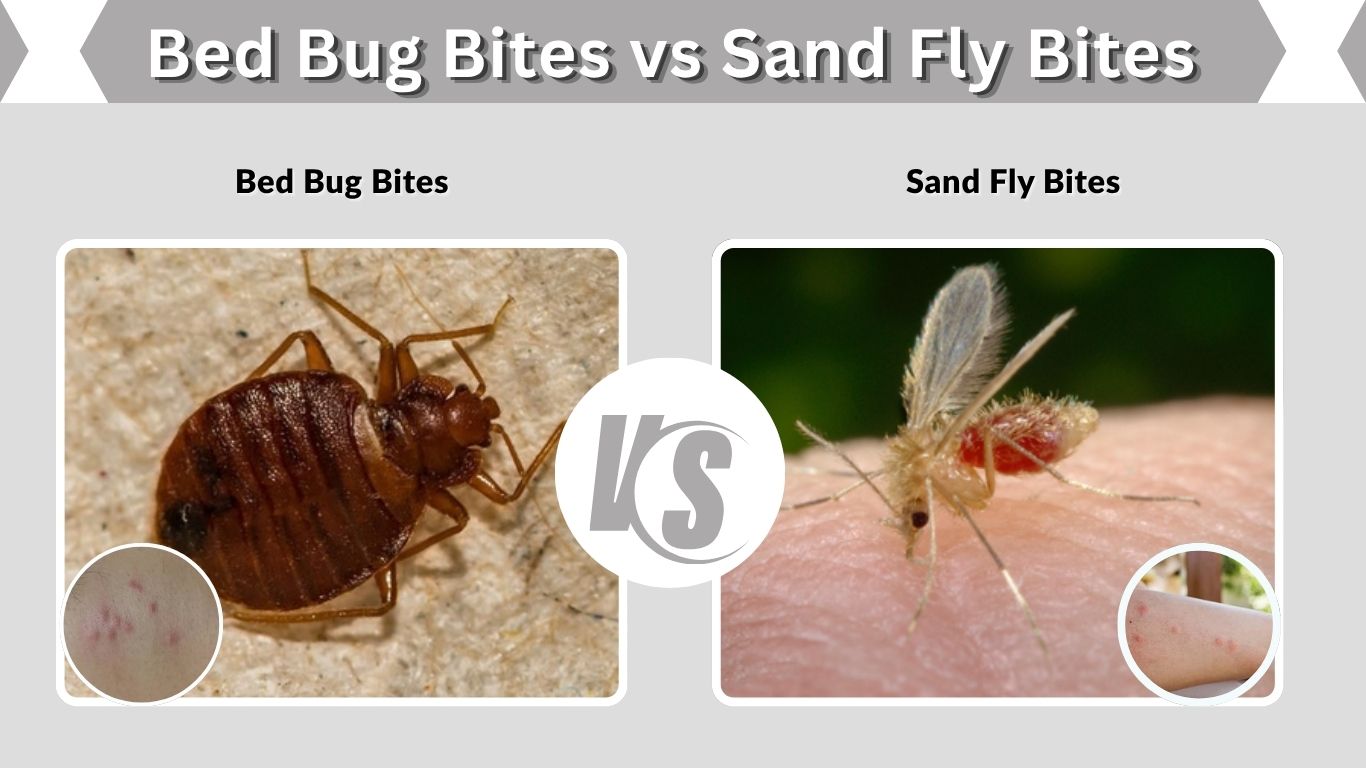
Bed bug bites and sand fly bites often look similar, causing itchy bumps, redness, and skin irritation that can last several days. However, these insects … Read More
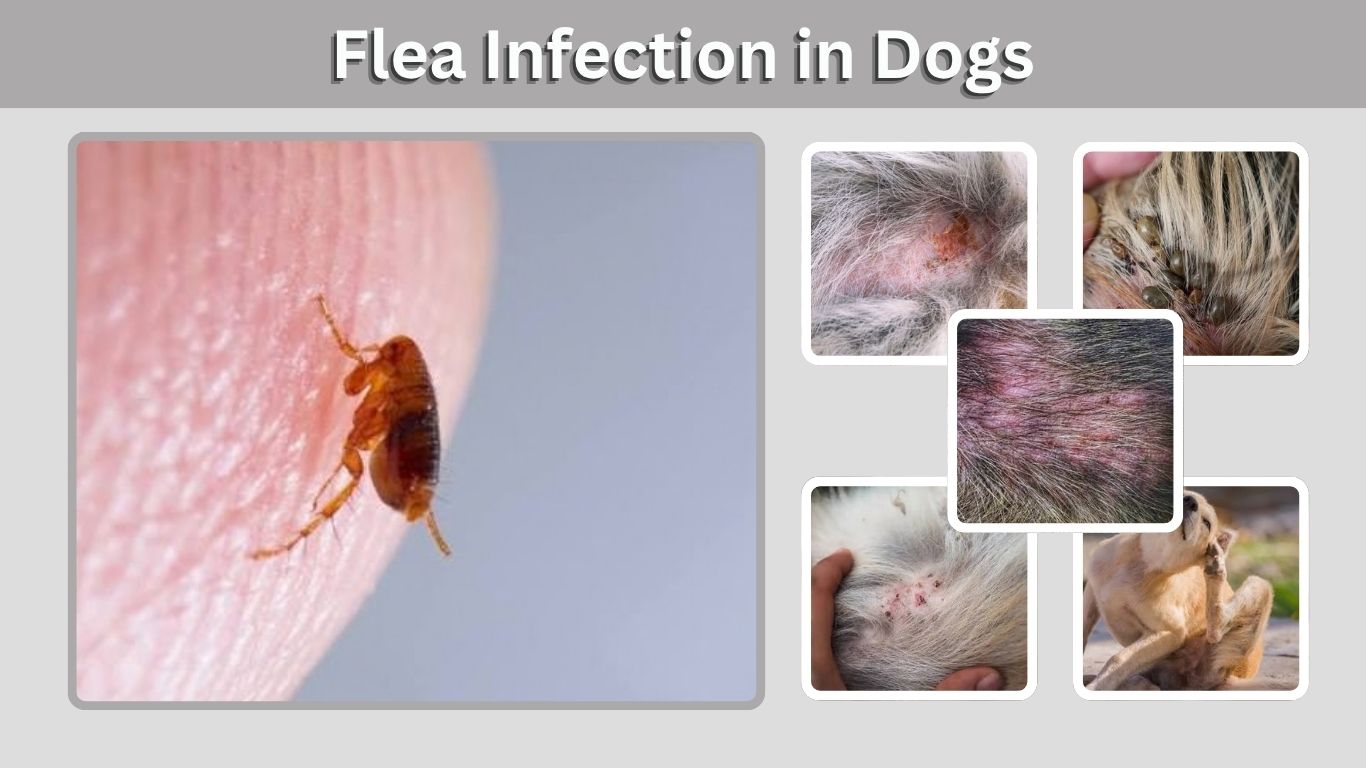
Flea infections in dogs can develop when flea bites cause intense itching, skin irritation, and repeated scratching that damages the skin. While fleas themselves are … Read More
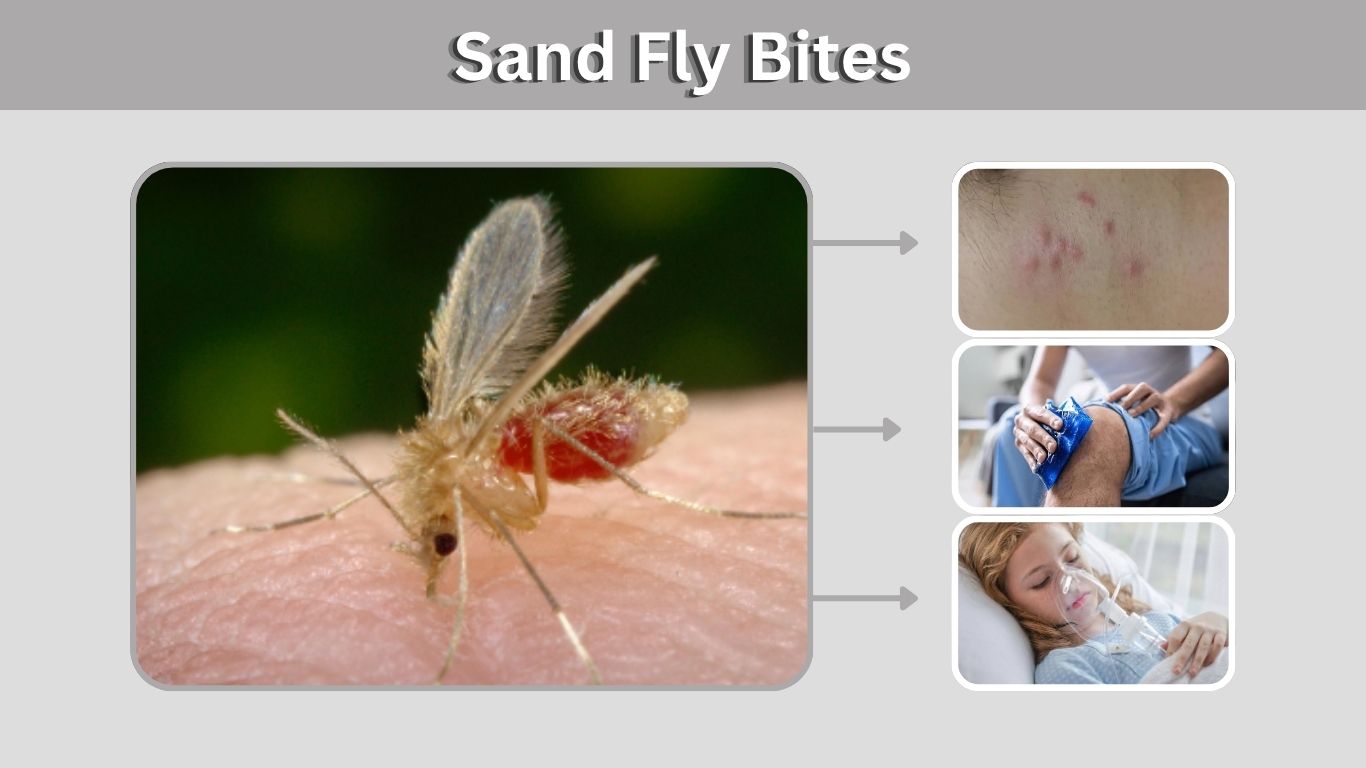
Sand fly bites can cause intense itching, small red bumps, and uncomfortable swelling that sometimes lasts for days or weeks. These tiny biting insects are … Read More
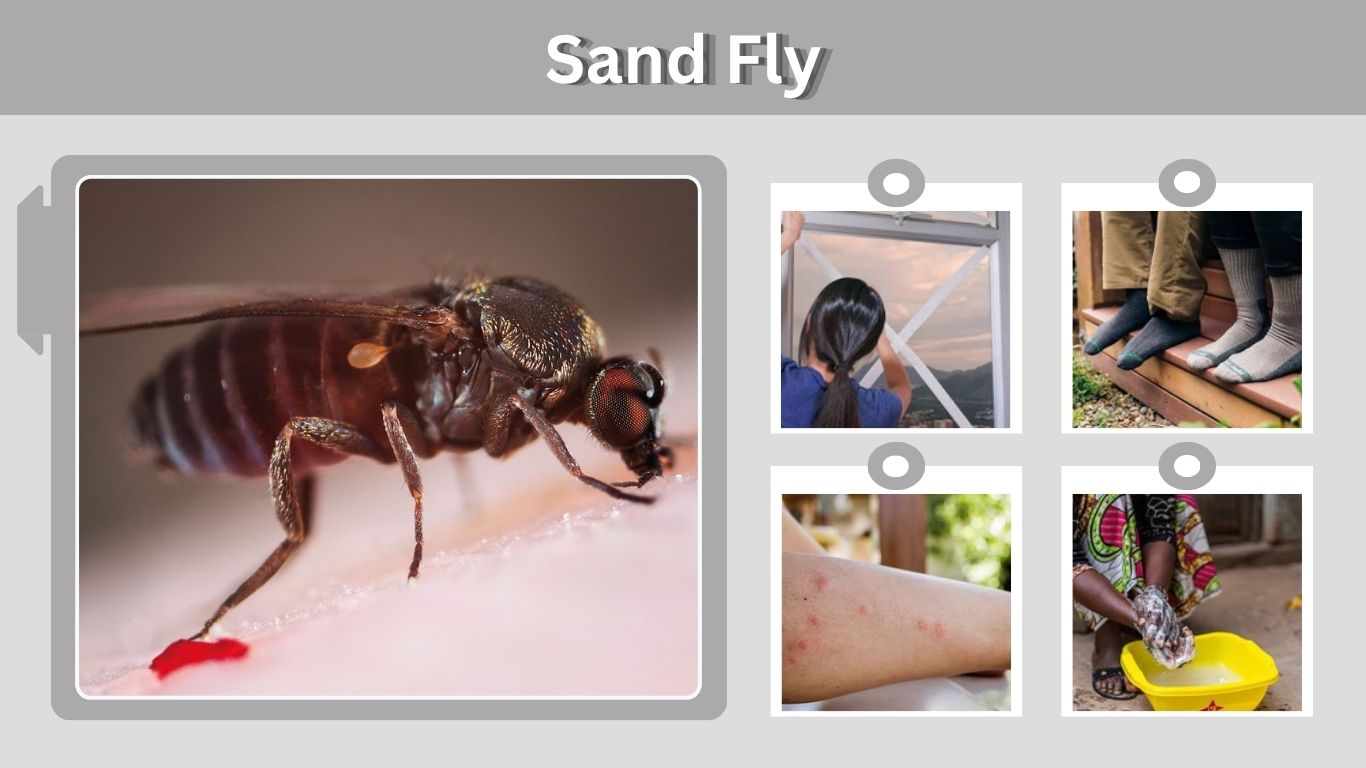
Sand flies are tiny biting insects that can cause intense itching, red bumps, and uncomfortable skin reactions. Commonly found in warm environments, these insects often … Read More