
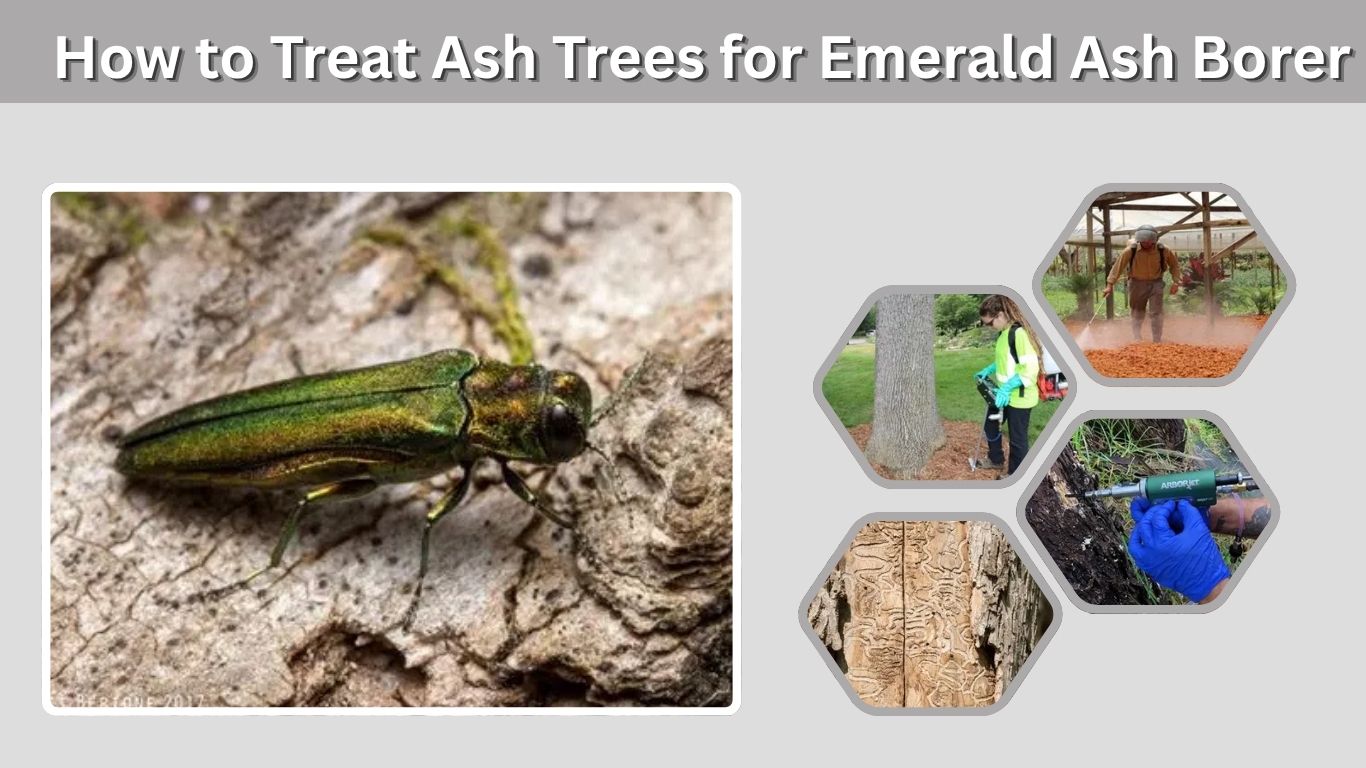
How to Treat Ash Trees for Emerald Ash Borer
Emerald ash borer can kill an untreated ash tree by damaging the living tissue beneath its bark. Fortunately, healthy or lightly infested trees can often … Read More
Emerald ash borer can kill an untreated ash tree by damaging the living tissue beneath its bark. Fortunately, healthy or lightly infested trees can often … Read More
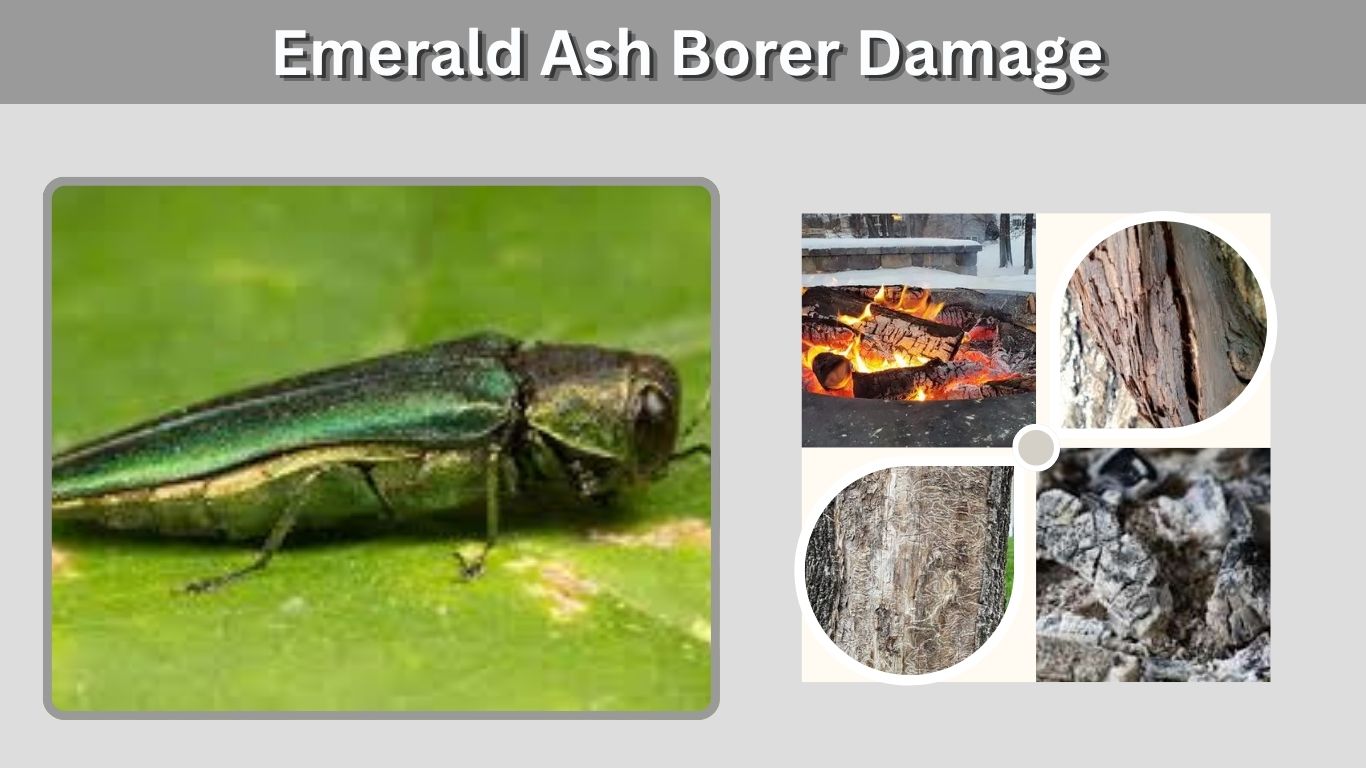
Emerald ash borer damage can remain hidden for years because most of it occurs beneath an ash tree’s bark. The beetle’s larvae create winding tunnels … Read More
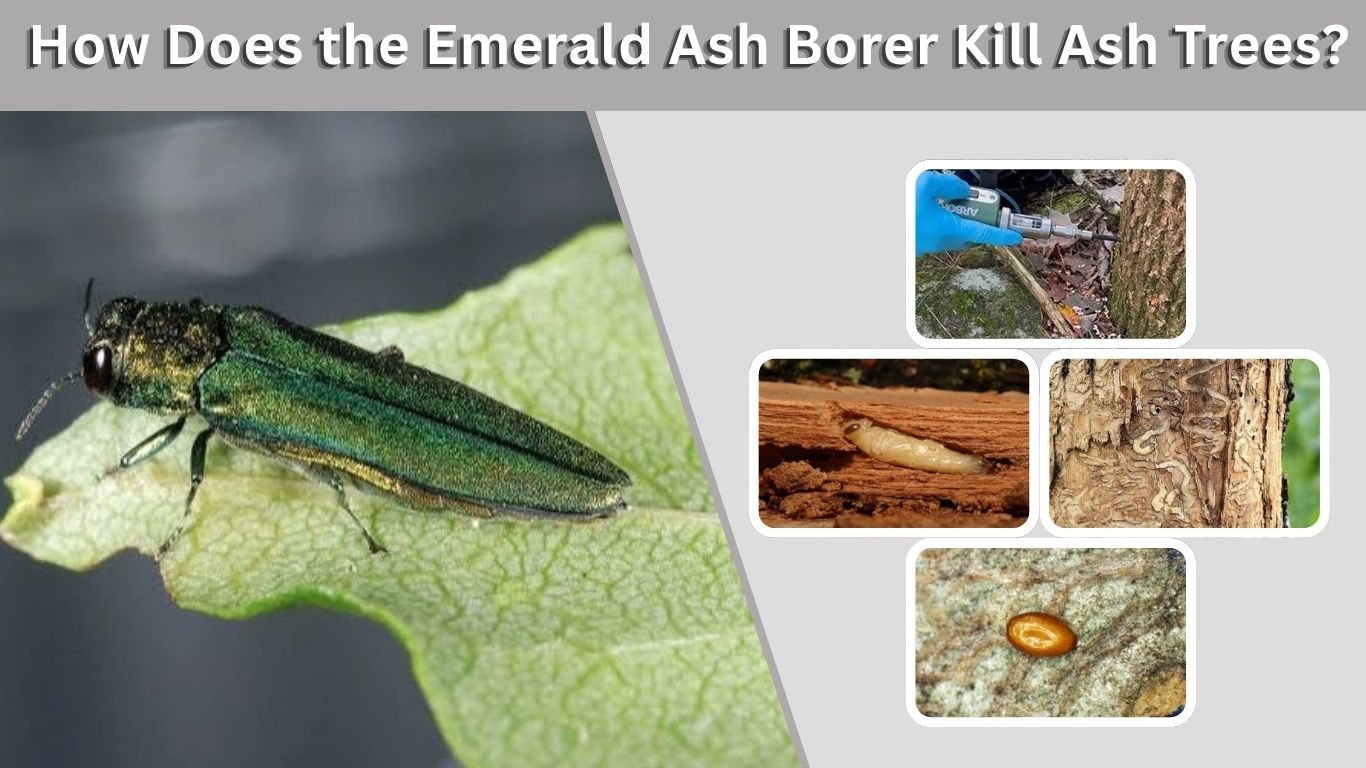
The emerald ash borer kills ash trees by feeding on the living tissues beneath their bark. Although the adult beetle eats small amounts of foliage, … Read More
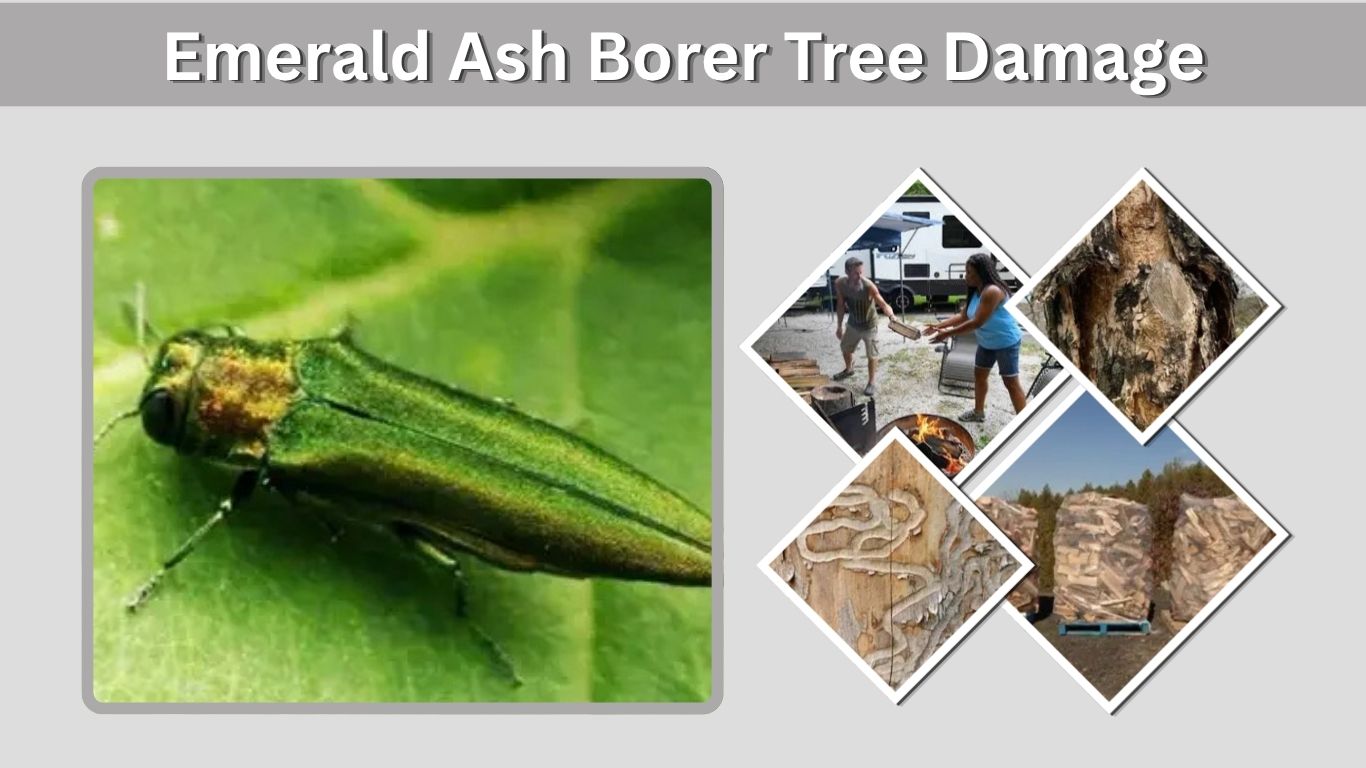
Emerald ash borer tree damage often begins beneath the bark, making an infestation difficult to notice during its early stages. As larvae feed on the … Read More
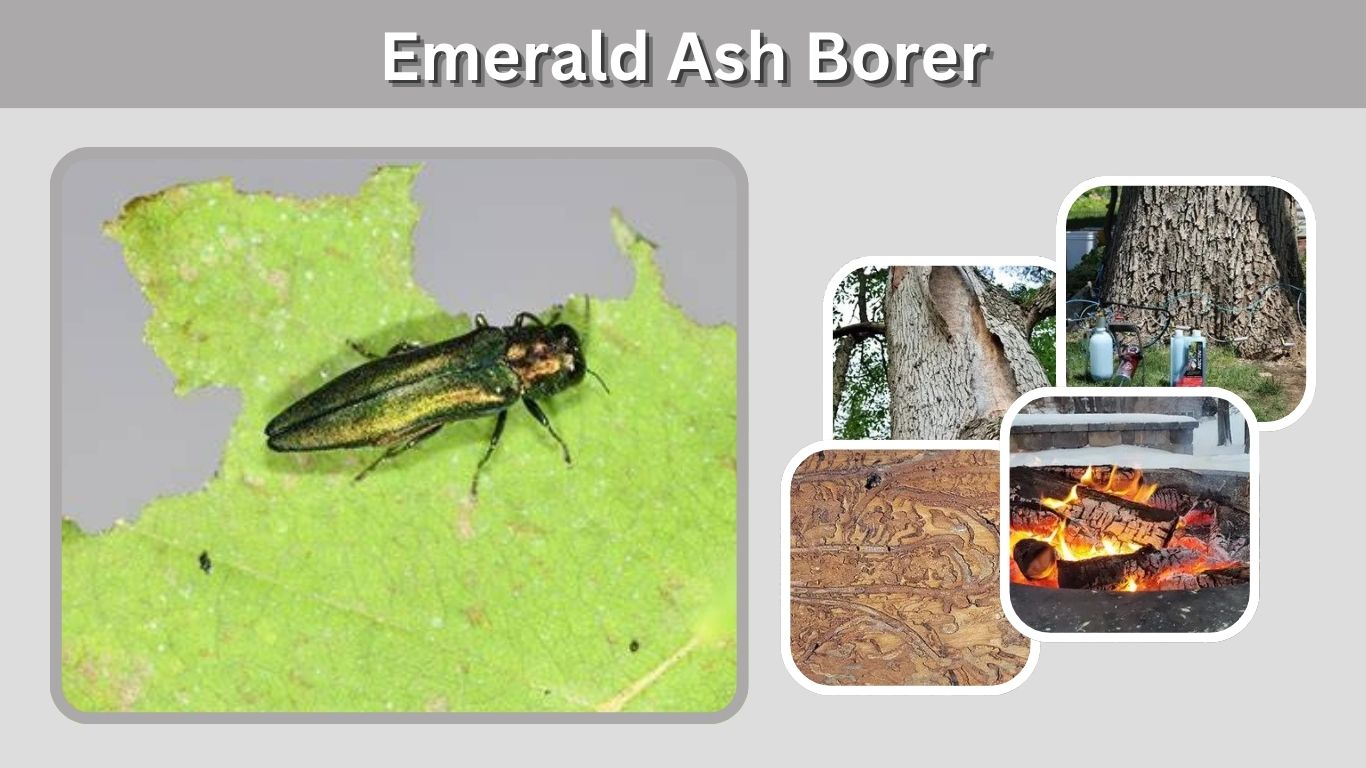
The emerald ash borer is a small invasive beetle capable of killing healthy ash trees within only a few years. Because most of its destructive … Read More
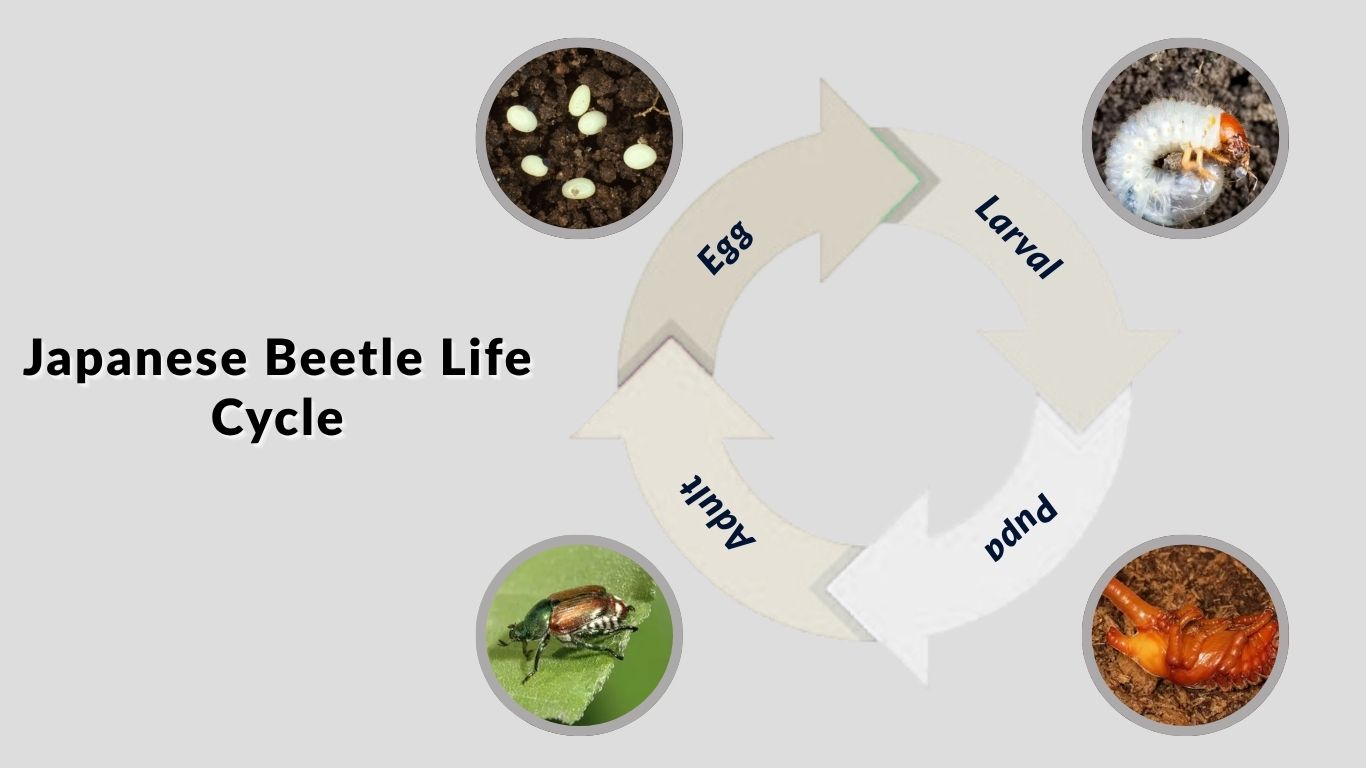
The Japanese beetle life cycle includes four distinct stages: egg, larva, pupa, and adult. This is known as complete metamorphosis. Although the shiny adult beetles … Read More
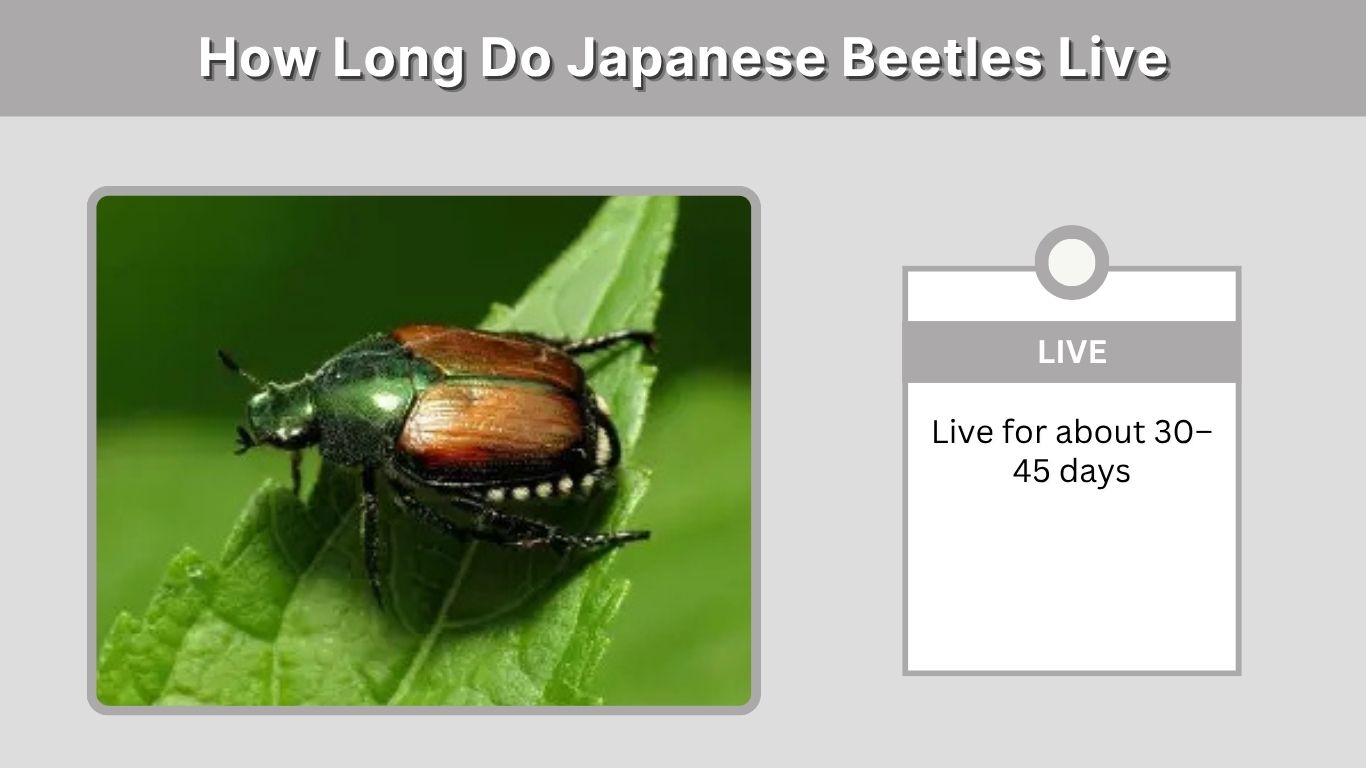
Adult Japanese beetles usually live for about 30–45 days, although some may survive for up to two months under favorable conditions. Their adult life is … Read More
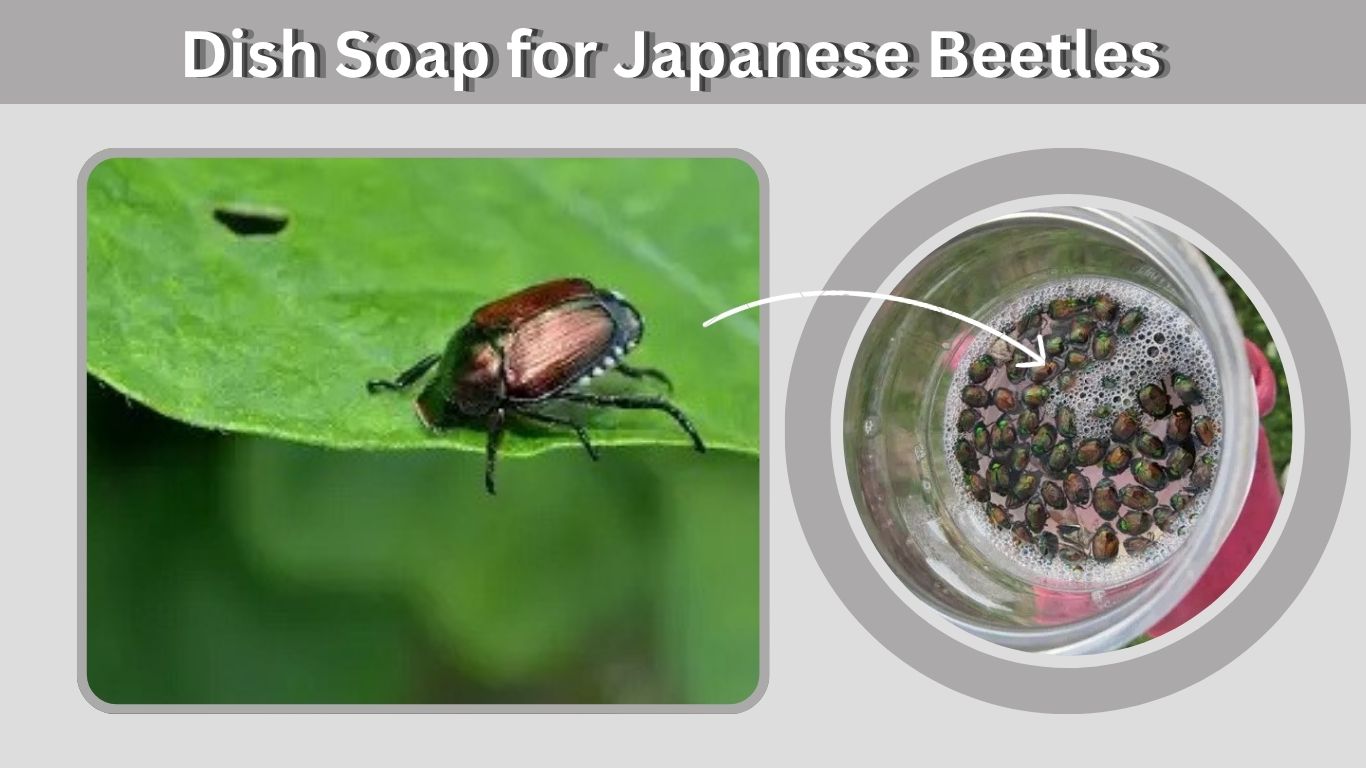
Dish soap can help control Japanese beetles, but the safest method is not spraying your whole plant. The best use is a bucket of water … Read More
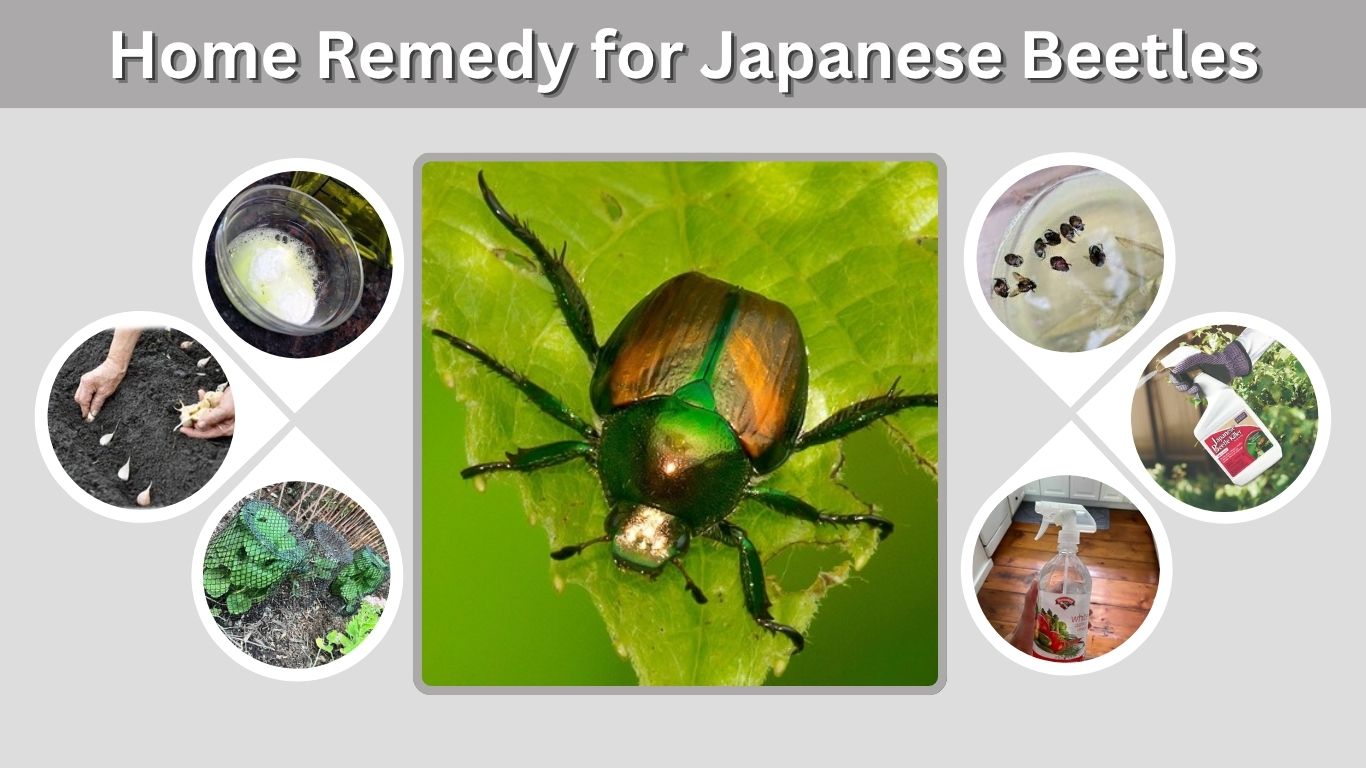
A good home remedy for Japanese beetles should reduce beetles without harming your plants, pollinators, or soil. The safest methods are handpicking beetles into soapy … Read More
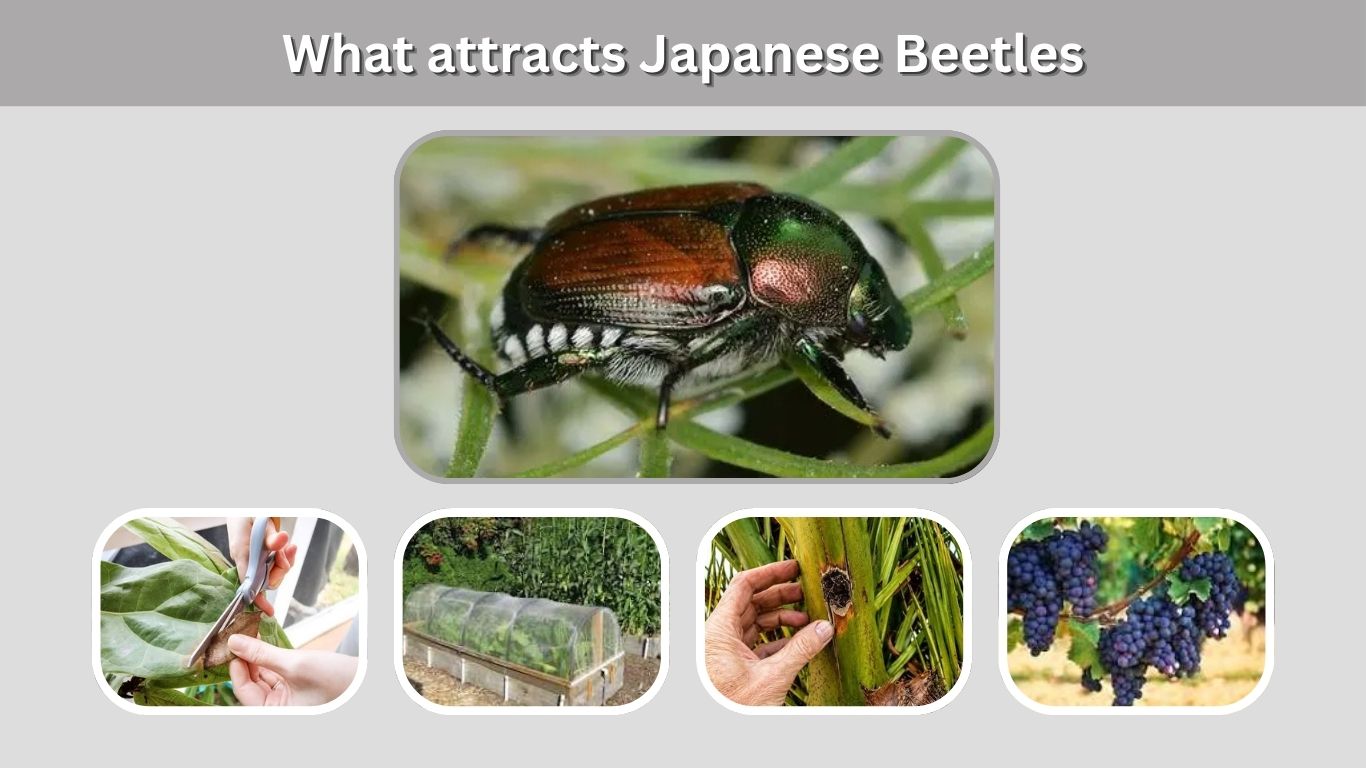
Japanese beetles are attracted to certain plants, warm sunny feeding areas, damaged leaves, floral scents, mating pheromones, and moist grassy soil where females can lay … Read More